
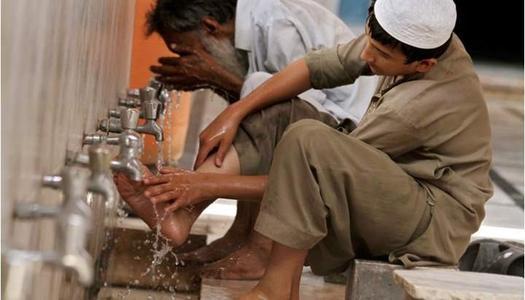

Many fasting individuals wonder whether accidentally swallowing water during ablution affects their fast, particularly during Ramadan, make-up, or expiation fasts. Religious authorities state that if this occurs unintentionally and without excessive rinsing, the fast remains valid, though making up the day is recommended as a precaution.
Scholars differ on the issue:
-
Hanafi, Maliki, and Shafi’i schools generally hold that if water reaches the throat, the fast is invalid and must be made up. They argue that fasting requires abstention, and breaching this essential pillar invalidates the fast, regardless of the amount of water. They cite the Prophet’s ﷺ instruction against excessive inhalation while fasting.
-
Hanafi sources such as Al-Mabsut by al-Sarakhsi and Bada’i‘ al-Sana’i‘ by al-Kasani note that if water reaches the throat during rinsing or inhalation, the fast is broken if the person is aware of fasting; however, if it happens by mistake or forgetfulness, the fast is still valid.
-
Maliki scholars, including Imam Malik and Judge Abdul Wahab, maintain that reaching water requires only a make-up fast without expiation, particularly if caused by discouraged excess.
-
Shafi’i opinions include the view that unintentional water reaching the throat may invalidate the fast entirely, highlighting caution to preserve the validity of worship.
Thus, the fast’s validity when rinsing water is swallowed unintentionally varies among schools, yet all scholars recommend making up the day to ensure proper observance.
For more details and the latest news, follow Masr Connect




