Talking or Silencing Kids During Friday Sermon – What’s the Real Ruling?
Egypt’s Dar Al-Iftaa explains when talking during the Friday sermon reduces reward and clarifies how to deal with children in mosques.


Egypt’s Dar Al-Iftaa stressed that speaking during the Friday sermon is not allowed, even to silence others, as it reduces reward but does not invalidate prayer.
Sheikh Mohamed Abdel-Samie cited the Prophet’s saying: “If you say to your companion ‘Be quiet’ while the imam delivers the sermon, you have engaged in idle talk.” This, he explained, means the person loses the full reward of Friday prayer.
As for silencing children, scholars said it’s allowed through gestures only, not speech. A simple hand gesture or quiet signal is enough. The imam, if needed, may calmly address the children via microphone to avoid disturbing worshippers.
Dr. Mabrouk Attia clarified that the hadith “Whoever engages in idle talk has no Friday prayer” refers to loss of full reward, not invalidation of prayer, stressing that listening in reverence is an act of worship.
Al-Azhar’s Fatwa Committee reminded Muslims that Friday prayer is a personal obligation, quoting the Qur’an:
“Hasten to the remembrance of Allah and leave trade.”
They warned that missing three Fridays without excuse leads to spiritual hardness, as the Prophet ﷺ said: “Allah will seal his heart.”
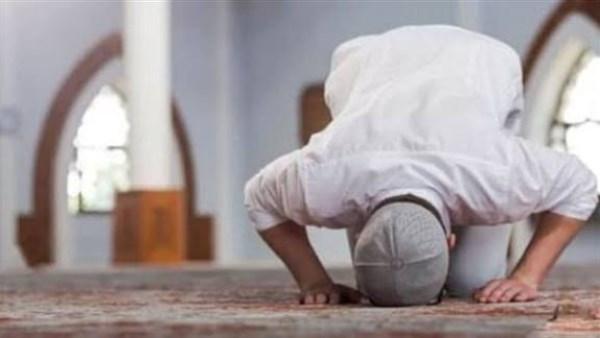
Learn the supplications recited during Salah, including Dua Al-Istiftah, prayers for bowing and prostration, between the two prostrations, and before salam.

Discover comprehensive Islamic duas for protecting children, seeking their health, safety, righteousness and guidance, with supplications parents can recite for their children.

Egypt’s inistry of Awqaf will open 19 mosques on Friday, August 21, 2026, as part of its nationwide plan to build, renovate, maintain and develop mosques.

Sheikh Mohamed Kamal explains the Islamic view of loving and honoring the Prophet, highlighting his elevated status in the Quran and the importance of reverence for him.
