
The conversion of Umar ibn Al-Khattab was one of the most significant events in the early history of Islam. Known among Quraysh for his strength, determination and imposing character, Umar eventually became one of Islam’s strongest supporters after embracing the faith.
Historical accounts differ regarding his position among the early Muslims. Some reports state that he embraced Islam after thirty-nine men and twenty-three women, while others give different numbers.
Biographical scholars generally place his conversion in the sixth year of the Prophet Muhammad’s mission, when Umar was around twenty-six years old.
The Story of Umar’s Conversion
Several accounts describe Umar’s conversion. One of the well-known reports focuses on the powerful effect of hearing the Quran.
Umar later recalled that he went out intending to confront the Prophet Muhammad, peace be upon him, but found that the Prophet had already reached the mosque.
Umar stood behind him as he recited verses from Surah Al-Haqqah. Umar was struck by the unique composition and power of the Quran.
He then heard the verses:
“Indeed, it is the word of a noble messenger. And it is not the word of a poet; little do you believe.”
According to the narration, the words had a profound effect on his heart and brought him closer to Islam.
Umar, His Sister and His Brother-in-Law
Another famous account tells that Umar was informed that his sister and her husband had accepted Islam.
He went to their home while angry, where he heard voices and discovered that they were reading from a written page containing Quranic verses.
A confrontation followed, but after seeing the blood on his sister and brother-in-law, Umar regretted what had happened and asked to see the page they had been reading.
He then read verses beginning with:
“Ta-Ha. We have not sent down the Quran to you to cause you distress.”
He continued reading until he reached the verse:
“Allah—there is no deity except Him. To Him belong the Most Beautiful Names.”
The verses deeply affected him, and he asked where the Prophet Muhammad was.
Umar Declares His Islam
Umar then went to Al-Arqam’s house, where the early Muslims were gathered.
The Muslims initially feared his arrival, but Hamzah ibn Abdul-Muttalib encouraged them to open the door.
The Prophet Muhammad, peace be upon him, met Umar, who then declared his faith.
The Muslims responded by proclaiming the greatness of Allah so loudly that their voices could reportedly be heard in Makkah.
Umar then asked the Prophet whether they were not upon the truth. When the Prophet confirmed that they were, Umar questioned why they should remain hidden.
The Muslims subsequently went out in two groups, with Umar in one and Hamzah in the other, and entered the mosque openly.
Why Was Umar Called Al-Farooq?
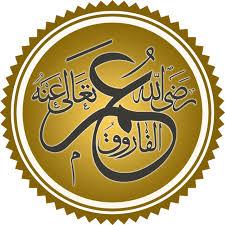
Umar ibn Al-Khattab became widely known by the title Al-Farooq, commonly understood as one who distinguishes between truth and falsehood.
Some reports attribute the title to the Prophet Muhammad, while other narrations connect it with Umar’s role in openly distinguishing the Muslims from those who opposed them.
The title became closely associated with Umar throughout Islamic history because of his firm commitment to justice and truth.
The Impact of Umar’s Conversion
Umar’s conversion had a major impact on the early Muslim community.
He was a powerful and influential figure in Makkah, and after accepting Islam, his strength was redirected toward supporting the Prophet and protecting the Muslim community.
Abdullah ibn Masud is reported to have said:
“We remained mighty from the day Umar embraced Islam.”
Other reports describe Umar’s conversion as a breakthrough for the Muslims and his migration as a victory.
Umar and Publicly Declaring Islam
Reports attributed to Ibn Abbas state that Umar was among the first to openly proclaim Islam.
Other accounts describe how the Muslims became more confident after his conversion, gathering around the Kaaba and performing their worship more openly.
His conversion therefore represented an important turning point in the public presence of Islam in Makkah.
Umar’s Life With the Prophet
After embracing Islam, Umar became one of the Prophet Muhammad’s closest and most prominent companions.
He participated in the Battle of Badr and the other major campaigns alongside the Prophet.
The Prophet established a bond of brotherhood between Umar and Abu Bakr, according to one report, while another account mentions Uwaim ibn Sa'idah.
Umar later became the second of the Rightly Guided Caliphs and was remembered for his strength in justice, leadership and commitment to Islam.
When did Umar ibn Al-Khattab embrace Islam?
Historical biographies generally state that Umar embraced Islam during the sixth year of the Prophet’s mission, when he was about twenty-six years old.
How did Umar become Muslim?
Several accounts describe his conversion. One of the most famous says that hearing and reading Quranic verses deeply affected him, leading him to seek the Prophet and declare his Islam.
Why was Umar called Al-Farooq?
Umar became known as Al-Farooq, a title associated with distinguishing truth from falsehood and his strong public support for Islam.
How did Umar’s conversion affect Muslims?
His conversion strengthened the Muslim community and gave early Muslims greater confidence in publicly practicing and proclaiming their faith.
How old was Umar when he became Muslim?
Historical sources commonly state that he was approximately twenty-six years old when he embraced Islam.