
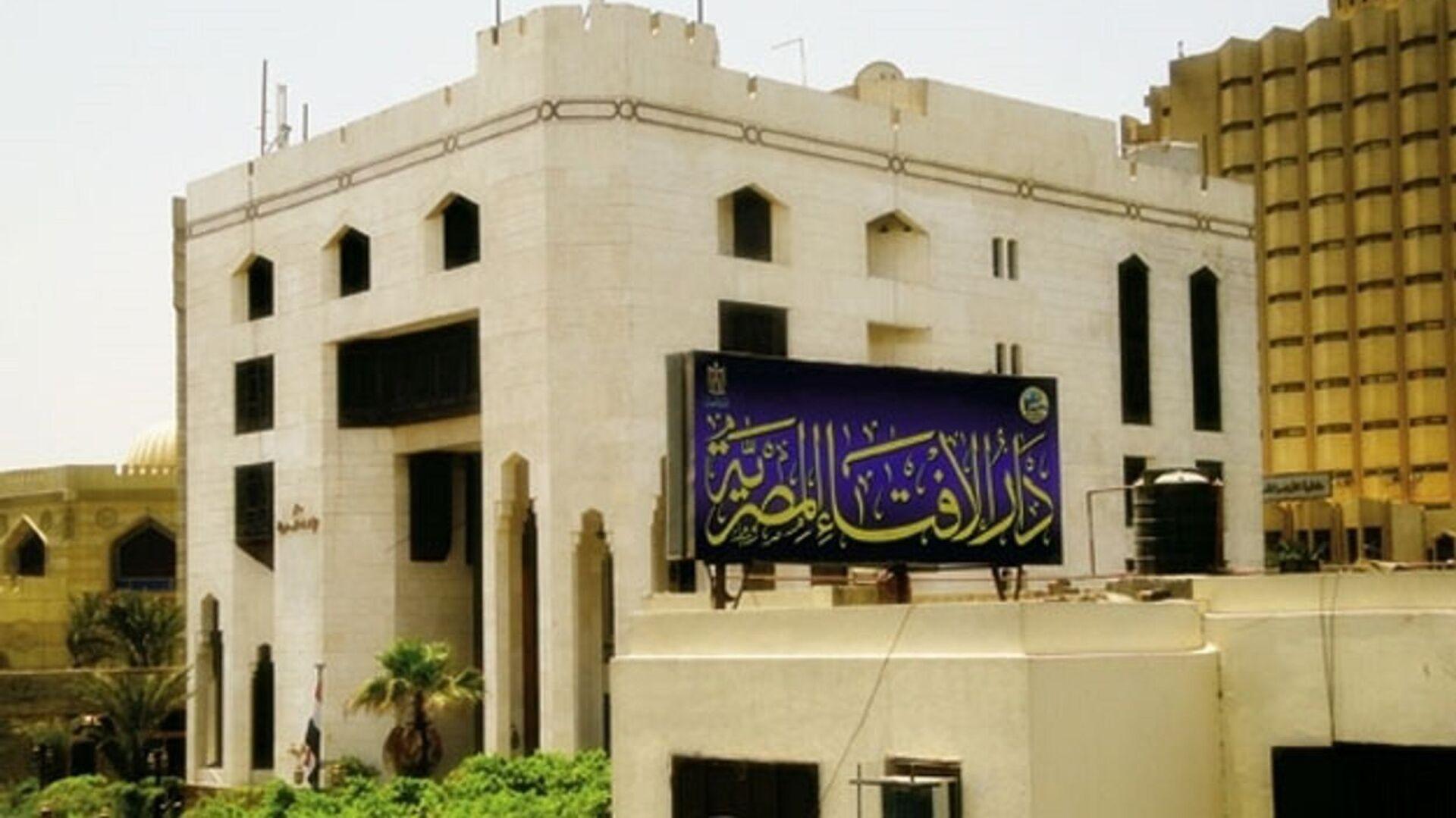

The Fatwa House clarified that a fasting person who is elderly or suffers from a medical condition that makes fasting harmful, and who cannot afford fidya due to financial difficulties, is exempt from it. Religious duties are always linked to one's capacity.
Scholars have different opinions regarding the elderly and senior women: the majority of Hanafi and Hanbali scholars hold that fidya is obligatory if the person can afford it, while Maliki scholars consider it recommended but not mandatory.
The Fatwa House confirmed that fidya applies only to those financially able. Those who are incapable or financially strained are not obligated, and it is recommended for them to engage in frequent supplication and forgiveness. This is in line with the Quranic verse: ﴿Allah does not burden a soul beyond its capacity﴾ [Al-Baqarah: 286].
Regarding preparation for Ramadan, Sheikh Khaled El-Gendy, member of the Supreme Council for Islamic Affairs, urged Muslims to prepare spiritually for the sacred month, highlighting that only a few days remain to embrace Allah’s mercy and forgiveness, and inviting everyone to reflect: Have you prepared your Ramadan journey? Are you ready for divine forgiveness and spiritual growth?
For more details and latest news, follow Misr Connect




