
⚽ World Cup 2026 Impact Reshapes FIFA Rankings
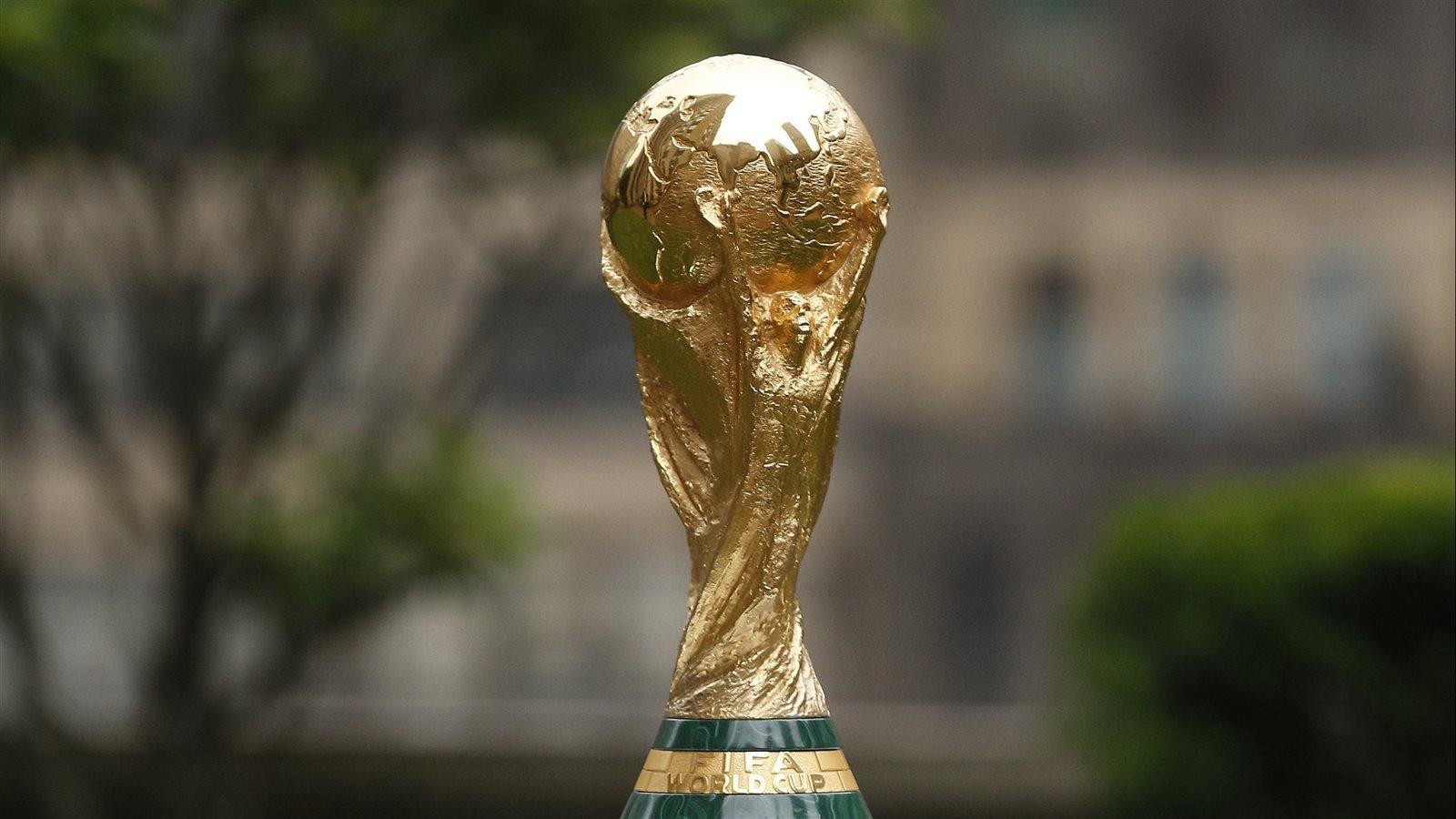
The latest FIFA World Rankings, updated as of July 1, have revealed major changes across several national teams following their performances in the ongoing 2026 World Cup. The tournament has not only delivered thrilling matches on the pitch but has also significantly influenced the global football hierarchy.
As teams continue their quest for World Cup glory, their results have directly impacted their international standings, reflecting both consistency and breakthrough performances on football’s biggest stage.
🟢 Norway Steals the Spotlight with Massive Leap
Among all nations, Norway has emerged as the standout performer in terms of ranking progression. The Scandinavian side has climbed an impressive 10 places, moving from 31st to 21st in the world rankings ⚽🔥
This dramatic rise reflects Norway’s strong performances during the tournament, where the team has shown improved tactical discipline, attacking efficiency, and resilience against higher-ranked opponents. Their upward movement signals a growing presence on the global football stage and highlights their potential as a rising force in international football.
📊 Biggest Movers in FIFA Rankings After World Cup Action
Alongside Norway, several other national teams have made significant progress in the rankings, benefiting from strong performances in the World Cup group and knockout stages:
🇳🇴 Norway: from 31st → 21st (+10 positions)
🇬🇭 Ghana: from 73rd → 65th
🇵🇾 Paraguay: from 41st → 34th
🇿🇦 South Africa: from 60th → 54th
🇲🇽 Mexico: from 14th → 9th ⭐
🇨🇩 DR Congo: from 46th → 41st
These improvements reflect a broader trend of emerging teams challenging traditional football powerhouses, making the 2026 World Cup one of the most competitive editions in recent memory.
🔥 Mexico Breaks Into Top 10
One of the most notable stories is Mexico’s rise into the top 10, climbing from 14th to 9th place. This achievement underlines the team’s consistency and tactical maturity throughout the tournament.
Mexico’s progress has been fueled by strong defensive organization and efficient attacking transitions, allowing them to compete at the highest level against elite opposition. Their entry into the top tier of world football rankings marks a major milestone for the nation’s football development.
🌍 Ghana and Paraguay Continue Strong Progress
Ghana and Paraguay also made noticeable strides, reflecting their competitive performances on the World Cup stage. Ghana’s rise from 73rd to 65th highlights a resurgence in African football competitiveness, while Paraguay’s jump into the top 35 demonstrates their growing tactical stability and effectiveness in crucial matches.
South Africa and DR Congo also contributed to Africa’s positive presence in the rankings, showing that the continent continues to produce highly competitive national teams capable of challenging global opponents.
📈 What These Changes Mean for World Football
The latest FIFA rankings shift demonstrates how quickly international football dynamics can change during a World Cup cycle. Teams that perform well in high-pressure matches are rewarded not only with progression in the tournament but also with improved global recognition.
This trend highlights the increasing competitiveness of international football, where traditional rankings are constantly challenged by emerging teams delivering strong performances on the biggest stage.
🏁 Conclusion
As the 2026 World Cup continues, the FIFA rankings will likely keep evolving, reflecting every win, upset, and breakthrough moment. Norway’s impressive rise stands as the headline story, but the overall picture shows a broader transformation in world football.
With more matches still to be played, fans can expect further surprises as teams battle not only for the trophy but also for global ranking supremacy 🌍⚽🔥