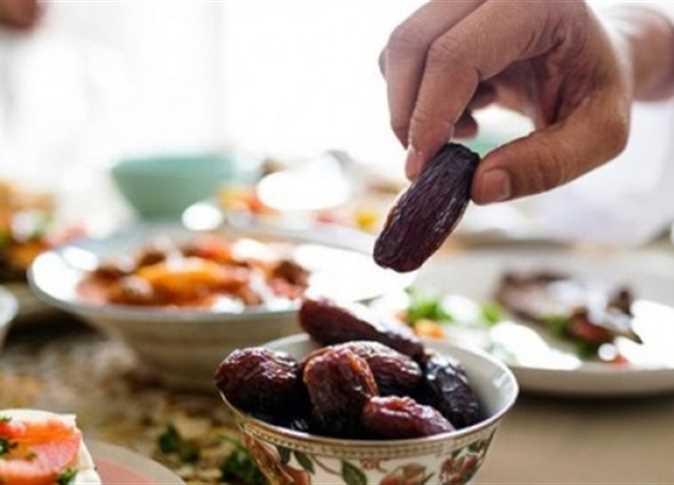

Suhoor and Iftar are the cornerstones of the diet during Ramadan. While Iftar replenishes the energy lost during fasting, Suhoor is the first line of defense for a long day that may extend over 14 hours. Therefore, its composition must be chosen carefully, as some foods may burden the body instead of supporting it.
Fried and Fatty Foods
Items like fries and heavy pastries provide quick satiety but slow digestion, causing morning fatigue and increased thirst since the body needs extra fluids to digest fats.
Salty Foods
Pickles and heavily salted cheeses should be avoided, as high sodium levels stimulate thirst and increase the risk of dehydration and fatigue.
Sugary Foods
Simple sugars spike blood glucose quickly, followed by a sharp drop, causing early hunger and exhaustion, unlike complex carbohydrates that digest slowly and provide lasting satiety.
Spicy Foods
Excessive spices, especially hot ones, can irritate the stomach and increase acidity, causing discomfort during sleep or fasting, worsened by limited water intake.
White Bread and Refined Baked Goods
Common at Suhoor, they digest quickly and fail to provide lasting fullness compared to fiber-rich whole grains, leading to earlier hunger.
For more details and the latest news, follow Masr Connect website