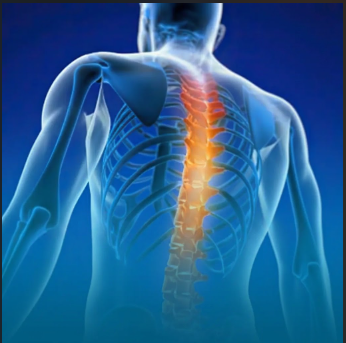

Lumbar Spinal Fusion for Spondylolisthesis | Dr. Mahmoud Hadhoud
Spondylolisthesis is a condition that can affect the stability of the spine. It occurs when one vertebra moves forward in relation to the vertebra below it. Symptoms can vary from one person to another depending on the degree of slippage and whether the nerves are affected.
In selected cases, lumbar spinal fusion for Spondylolisthesis may be considered as a surgical treatment option after a careful medical evaluation. Dr. Mahmoud Hadhoud determines whether this type of intervention is appropriate based on the patient’s symptoms, examination, imaging results, and overall condition.

Dr. Mahmoud Hadhoud Clinics and Appointments
Appointments at Dr. Mahmoud Hadhoud’s clinics are scheduled in advance. He is available daily in Shebin El-Kom, three days a week in Menouf, and one day a week in Heliopolis, Cairo.
Shebin El-Kom Clinic
- Sharf Square – Al-Kawthar Tower
- Mobile: 01062611221
- Landline: 0482239066
Menouf Clinic
- Al-Hossam Tower – in front of Banque Misr
- Mobile: 01065951590
- Landline: 0483678150
Heliopolis Clinic – Cairo
- Saint Fatima Square – above United Bank – second floor – Apartment 16
- Mobile: 01149243824
What Is Spondylolisthesis?
Spondylolisthesis occurs when one vertebra moves forward relative to the vertebra below it. It can develop in different areas of the spine, but it commonly affects the lumbar region.
Some people may have Spondylolisthesis without noticeable symptoms, while others may experience lower back pain or symptoms related to nerve compression.
For this reason, diagnosis does not depend on imaging alone. Dr. Mahmoud Hadhoud considers the patient’s symptoms, clinical examination, and imaging findings when assessing the condition and its effect on the spine and nerves.
What Are the Symptoms of Spondylolisthesis?
Symptoms vary depending on the severity of the condition and whether the nerves are affected. Possible symptoms include:
- Lower back pain.
- Pain that may extend into the leg.
- Numbness or tingling.
- Weakness in some leg muscles when nerves are compressed.
- Increased pain with certain movements or activities.
- Discomfort or difficulty with movement in some cases.
These symptoms do not automatically mean that lumbar spinal fusion is required. Treatment depends on the individual condition.
When May Lumbar Spinal Fusion Be Considered?
Not every patient with Spondylolisthesis needs surgery. In many cases, treatment may initially involve non-surgical approaches depending on the symptoms and overall condition.
Lumbar spinal fusion may be considered in selected cases involving spinal instability, nerve compression, or persistent symptoms despite appropriate conservative treatment.
Dr. Mahmoud Hadhoud determines whether surgery should be considered after evaluating the condition as a whole rather than relying on imaging results alone.
How Is Spondylolisthesis Diagnosed?
Evaluation begins with understanding the patient’s symptoms, including the nature of the pain and any associated problems, followed by an appropriate clinical examination.
Imaging may be required, such as X-rays. In some cases, an MRI may also be used to evaluate the nerves and surrounding spinal structures.
Based on the examination and imaging results, Dr. Mahmoud Hadhoud can assess the nature of the problem and discuss suitable treatment options.
What Is the Purpose of Lumbar Spinal Fusion?
Lumbar spinal fusion is intended to support an unstable segment of the spine and help maintain spinal stability.
The surgical approach and technique vary depending on the level of the slippage, the condition of the vertebrae, the patient’s symptoms, and imaging findings.
Therefore, there is no single surgical approach that is suitable for every patient. The appropriate technique is determined after a detailed medical evaluation.
Does Every Patient With Spondylolisthesis Need Surgery?
No.
Having Spondylolisthesis does not automatically mean that lumbar spinal fusion is necessary. Some cases may be mild or may not cause significant symptoms and can be managed with non-surgical treatment and medical follow-up.
If symptoms persist, or if there is significant nerve involvement or spinal instability, surgery may become one of the treatment options to discuss.
This is why evaluation by Dr. Mahmoud Hadhoud is important when determining the most appropriate treatment for each individual case.
What Does Dr. Mahmoud Hadhoud Evaluate Before Surgery?
Before deciding on lumbar spinal fusion for Spondylolisthesis, several factors are considered, including:
- The degree and location of the vertebral slippage.
- The nature of the symptoms and their effect on daily life.
- The presence of symptoms related to nerve compression.
- The stability of the spine.
- Imaging and other required test results.
- The patient’s response to non-surgical treatment when appropriate.
This assessment helps provide a clearer understanding of the condition and allows the available treatment options to be discussed more accurately.
Why Is Follow-Up Important After Lumbar Spinal Fusion?
Medical follow-up is an important part of recovery after surgery. The treating doctor determines the appropriate follow-up schedule and instructions according to the procedure and the patient’s condition.
Recovery time and the return to daily activities also vary from one person to another. Patients should therefore follow their medical instructions rather than compare their recovery with someone else’s experience.
During follow-up, Dr. Mahmoud Hadhoud can assess whether recovery is progressing as expected and provide appropriate guidance for each stage.
Is Lumbar Spinal Fusion Suitable for Every Spondylolisthesis Case?
Not all cases of Spondylolisthesis are the same. Therefore, the need for lumbar spinal fusion cannot be determined without a proper medical evaluation.
Non-surgical treatment may be appropriate for some patients, while others may require surgery after considering their symptoms, imaging results, spinal instability, and possible nerve compression.
Consulting Dr. Mahmoud Hadhoud can help patients understand their condition and discuss the treatment options based on their individual medical findings.
Dr. Mahmoud Hadhoud Clinics
Appointments with Dr. Mahmoud Hadhoud are available at the following clinics:
Shebin El-Kom:
Sharf Square – Al-Kawthar Tower
01062611221
0482239066
Menouf:
Al-Hossam Tower – in front of Banque Misr
01065951590
0483678150
Heliopolis – Cairo:
Saint Fatima Square – above United Bank – second floor – Apartment 16
01149243824
Appointments are scheduled in advance. Dr. Hadhoud is available daily in Shebin El-Kom, three days a week in Menouf, and one day a week in Heliopolis.
Frequently Asked Questions About Spondylolisthesis and Spinal Fusion
Does Spondylolisthesis always cause pain?
Not necessarily. Symptoms vary from one person to another, and some people may have Spondylolisthesis without noticeable symptoms.
Does every patient with Spondylolisthesis need surgery?
No. The decision depends on symptoms, the degree of slippage, spinal stability, nerve involvement, and the response to non-surgical treatment.
When may spinal fusion be considered?
Surgery may be considered in selected cases, particularly when there is spinal instability, nerve compression, or persistent symptoms despite appropriate treatment.
Are imaging results alone enough to determine treatment?
No. Doctors need to consider imaging together with symptoms, clinical examination, and other factors related to the patient’s condition.
Conclusion
Lumbar spinal fusion for Spondylolisthesis is a surgical option that may be appropriate for selected patients, but it is not necessary for every person with Spondylolisthesis.
Treatment decisions depend on the degree of slippage, symptoms, nerve involvement, spinal stability, and the results of the required medical evaluations.
If you are experiencing symptoms related to Spondylolisthesis, you can schedule an appointment with Dr. Mahmoud Hadhoud for an evaluation and discussion of the appropriate treatment options.