Overthinking Weakens Self-Confidence: Study Reveals Why
A new study shows that excessive thinking can reduce self-confidence and increase anxiety, with different effects on men and women.

Researchers at University College London found that overthinking can undermine self-confidence and elevate anxiety levels, particularly among individuals prone to anxiety disorders.
The study analyzed data from over 1,400 participants who performed simple tasks, such as identifying the dominant color in an image, and then rated their confidence in their answers. The researchers also measured the time participants spent thinking before expressing their confidence.
Key Findings:
-
People with high anxiety: The longer they thought, the lower their confidence. Excessive rumination—repetitive, self-critical thought—gradually erodes self-confidence.
-
Women without high anxiety: Longer reflection time increased their confidence, enhancing decision-making abilities.
Published in the journal Psychiatry, the study highlights that the impact of overthinking varies by anxiety level and gender, emphasizing the importance of mindful thinking to maintain mental health.
For more details and the latest medical news, follow Misr Connect
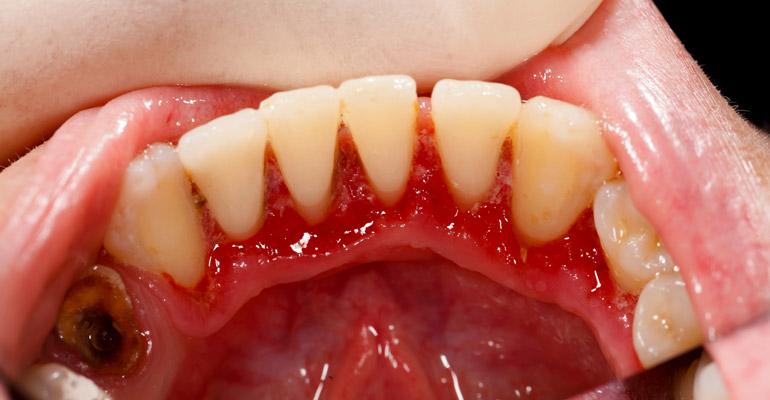
Gum problems and treatment is one of the most common topics in dentistry, as gum disease often starts mildly and progresses silently without obvious pain in the early stages, making many patients unaware until it becomes more advanced.
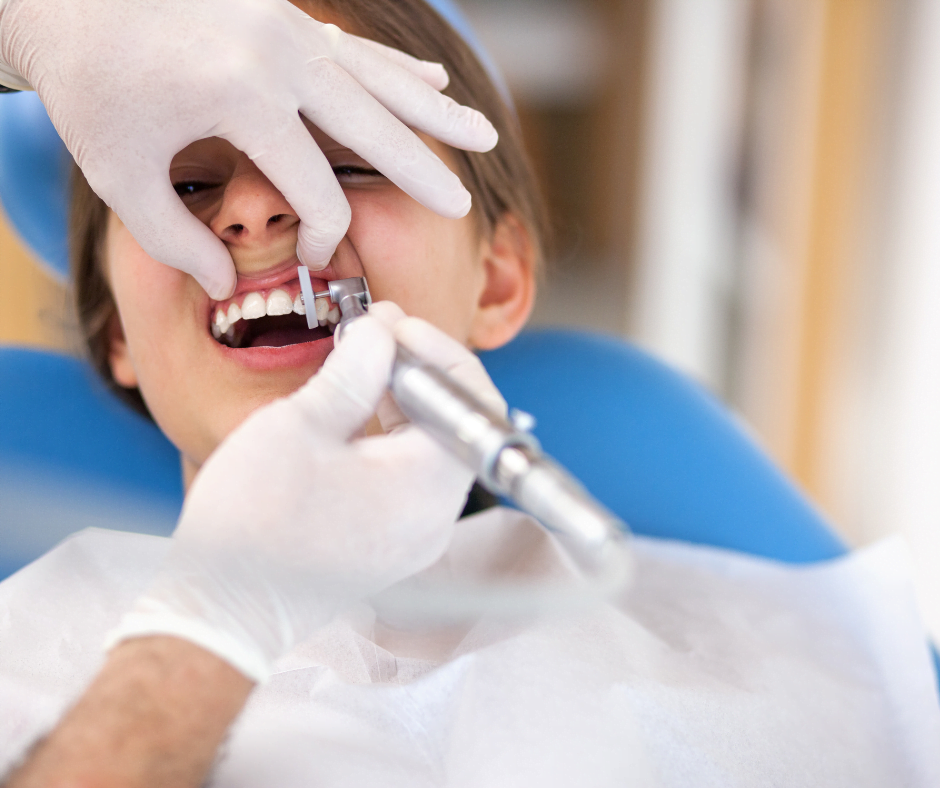
Many people believe that professional teeth cleaning may weaken or damage the teeth, especially after tartar removal. This leads to a common question: Does teeth cleaning weaken teeth?
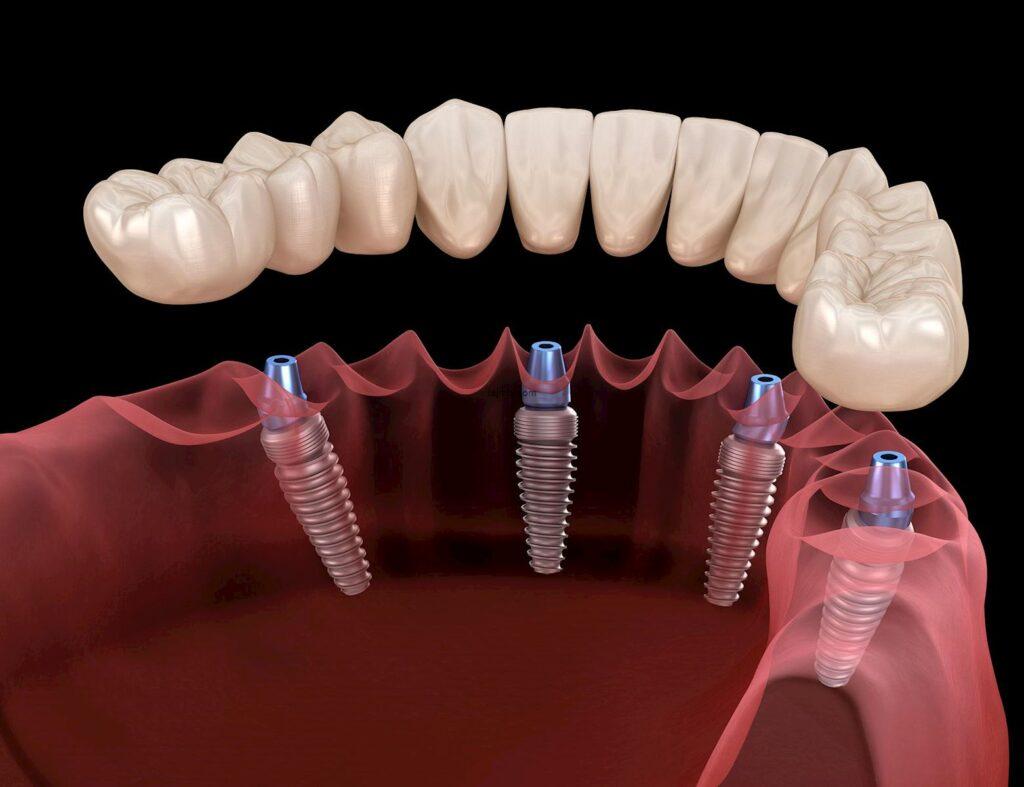
Dental implants are one of the best modern solutions for replacing missing teeth and restoring natural appearance and chewing function. With the development of dentistry in Egypt, the most common question has become: How much do dental implants cost in Egypt?

Sudden tooth pain is one of the most uncomfortable types of pain because it can appear without warning and affect eating, sleeping, and daily focus. In many cases, it signals an underlying dental problem that needs quick treatment before it gets worse.
