
A recent study highlights how the consequences of environmental pollution can take decades to fully emerge. Researchers found a significant association between prenatal lead exposure during the second trimester of pregnancy and reduced cognitive performance after the age of 60.
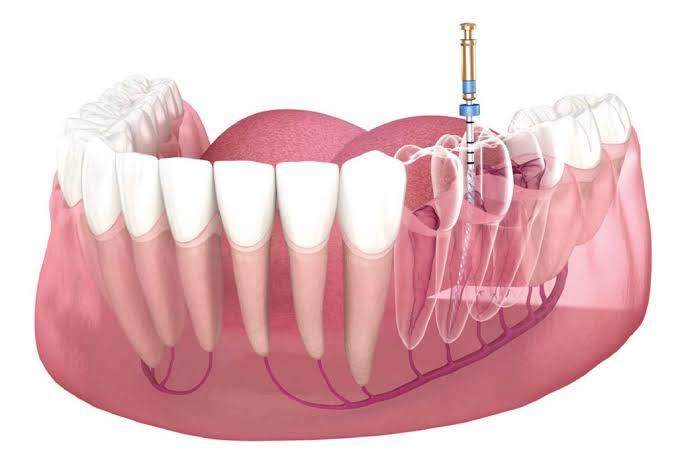
In an innovative approach, scientists analyzed donated baby teeth collected between the late 1950s and early 1970s. These teeth function as a biological archive, preserving information about lead exposure during fetal development.
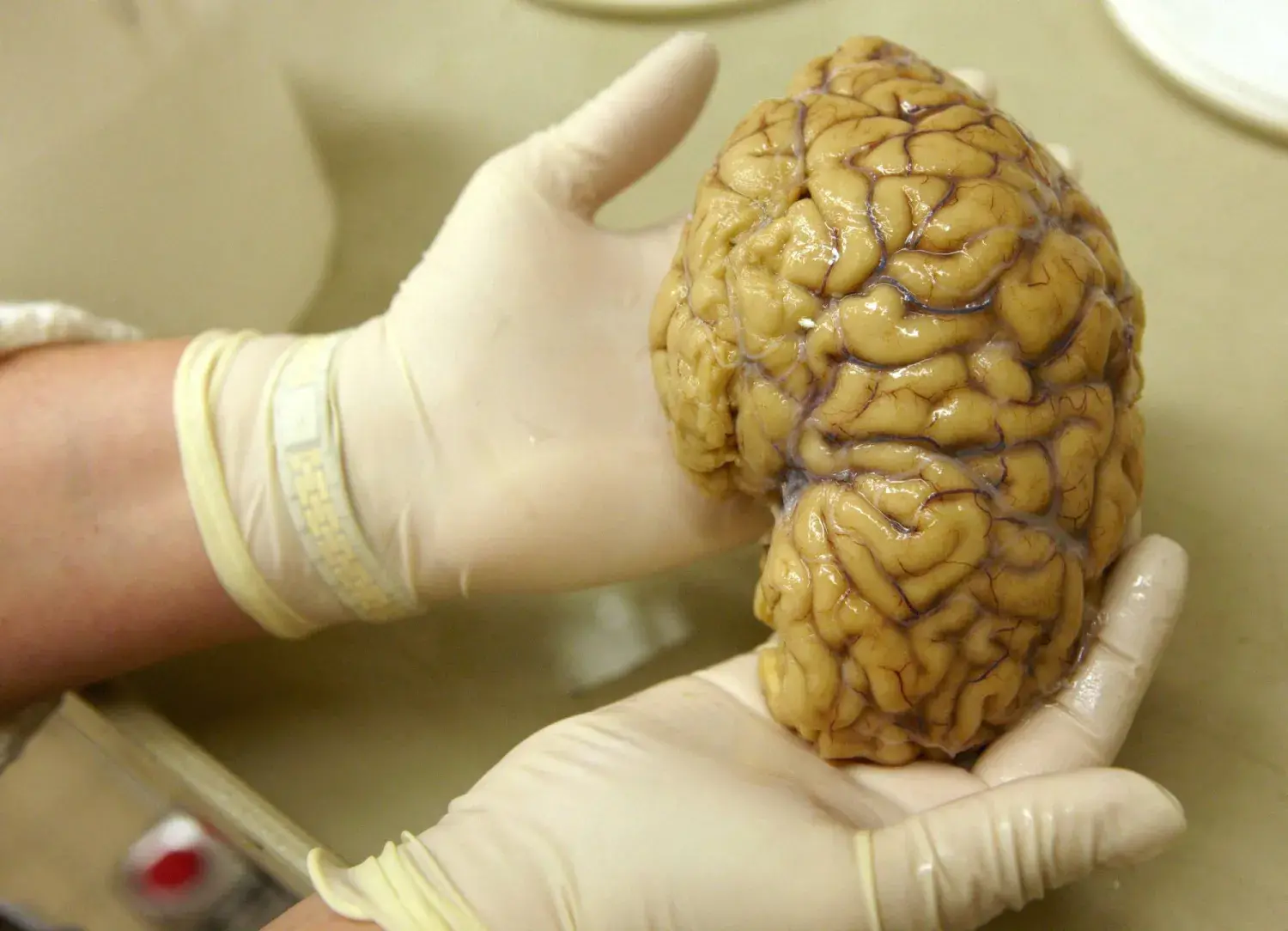
Participants, now with an average age of 62, underwent cognitive and memory assessments. The findings were particularly striking among women. Each one-part-per-million increase in lead concentration during the second trimester was associated with cognitive decline equivalent to approximately three additional years of brain aging.
Researchers suggest that the stronger effect observed in women may relate to how lead is stored in bones and later released during life stages such as pregnancy or menopause, potentially amplifying its long-term neurological impact.
Although the study establishes correlation rather than direct causation, it underscores the ongoing public health risks associated with lead exposure and the importance of addressing environmental contamination.