Treatment of Eating Disorders and Binge Eating: Steps to Recovery
Discover effective ways to treat eating disorders and binge eating, and how to rebuild a healthy relationship with food and emotions.

Eating disorders are not just unhealthy habits—they reflect a complex interaction between mind and body, where suppressed emotions manifest in harmful behaviors. Binge eating disorder is among the most common types, marked by episodes of overeating followed by guilt and unhealthy compensatory behaviors.
Understanding Yourself: The First Step to Recovery
Treatment begins with recognizing emotions and identifying triggers. Cognitive Behavioral Therapy (CBT) helps patients identify thoughts preceding binge episodes and replace them with conscious, healthy responses.
Breaking the Cycle
Patients learn to notice stress-related eating patterns and respond with healthier alternatives such as relaxation, walking, or talking to a supportive person instead of using food as an escape.
Awareness of Toxic Diet Culture
Media and social platforms often promote unrealistic thinness ideals, affecting mental health. Recovery involves critical awareness and reaffirming that health is measured by balance and well-being, not weight alone.
Daily Trigger Management Plan
A proactive plan using mindfulness techniques—such as observing breathing and body sensations—helps manage urges, reduce emotional eating, and build awareness.
Expressing Emotions: Writing and Healing
Journaling or voice recording emotions allows patients to process triggers, reduce stress, and enhance self-awareness, lowering unconscious binge behavior.
Medication and Integrated Support
For severe anxiety or depression, medication may complement therapy. Group therapy and family support strengthen emotional stability and remind patients they are not alone.
Rebuilding Relationship with Food
The ultimate goal is to see food as a friend for body and mind, through balanced meals and avoiding deprivation or overindulgence. Food becomes nourishment, not an escape.
For more mental health tips and recovery strategies, follow Misr Connect

Choosing the best diet for heart patients is one of the most important steps to maintain heart health and reduce the risk of complications such as heart attacks and high blood pressure. Diet does not only affect weight but also plays a major role in improving heart and blood vessel function.

Chest pain is one of the symptoms that immediately causes concern, as it may be associated with serious conditions like heart disease. However, not all chest pain is dangerous—it can sometimes result from simple causes such as muscle strain or digestive issues.
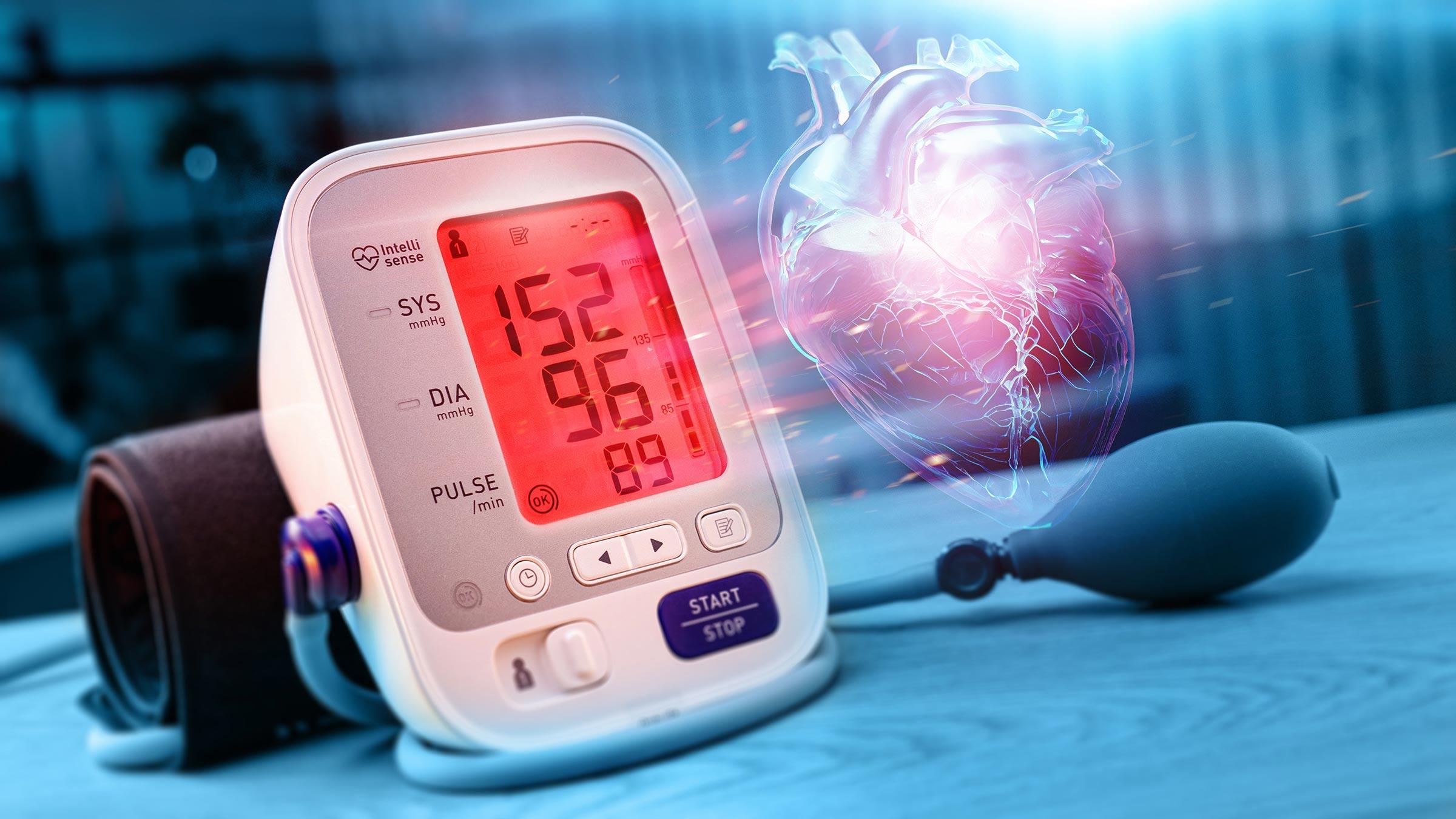
High blood pressure is one of the most common health conditions worldwide. It is often called the “silent killer” because it may not show clear symptoms in its early stages, yet it can lead to serious complications if left untreated.
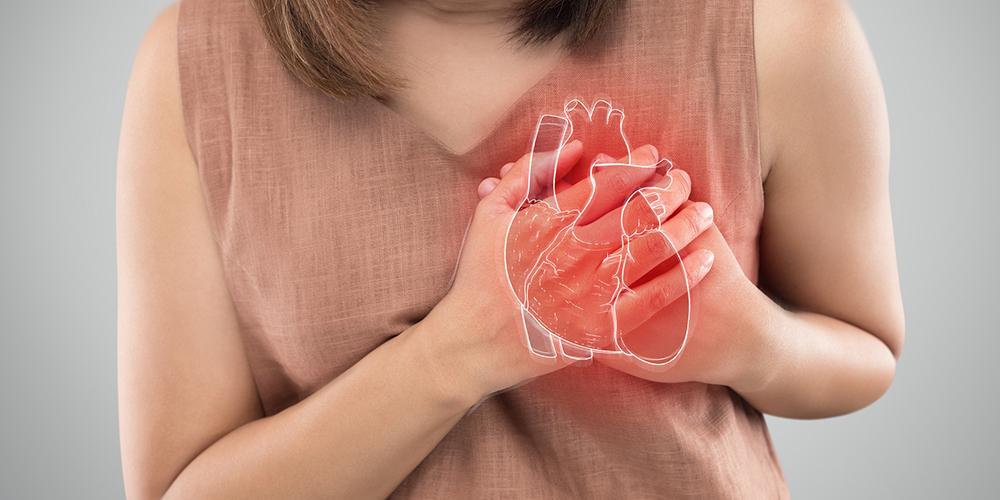
Early symptoms of heart disease are very important warning signals that should not be ignored, as early detection can significantly reduce the risk of serious complications such as heart attacks or heart failure.
