
Religious News

Best Dua After Studying for Better Memory, Understanding and Exam Success
Students can make general supplications after studying, asking Allah to preserve what they have learned, strengthen their understanding and help them recall it when needed.
Read More
Duas Before Studying for Understanding, Focus and Academic Success
Learn helpful duas to recite before studying for ease, understanding and focus, along with practical...

Complete Evening Adhkar From the Quran and Sunnah and Their Timing
Learn the authentic evening adhkar from the Quran and Sunnah, when to recite them, how many times to...

Dua When Leaving Home: What Did the Prophet Say?
The Prophet Muhammad taught supplications for leaving home that express trust in Allah and seek guid...

Abraham’s Journey to Discover Allah: From the Stars and Moon to Tawheed
The story of Prophet Abraham’s search for truth shows how reflection on the stars, moon, and sun bec...

Can a Father Eat His Children’s Food Without Permission? Islamic Ruling
Can a father eat food purchased by his working children without asking permission? Learn the Islamic...

Ruling on Reading the Quran in Braille During Prayer
What is the ruling on reading the Quran in Braille during prayer? Learn whether moving the hands an...
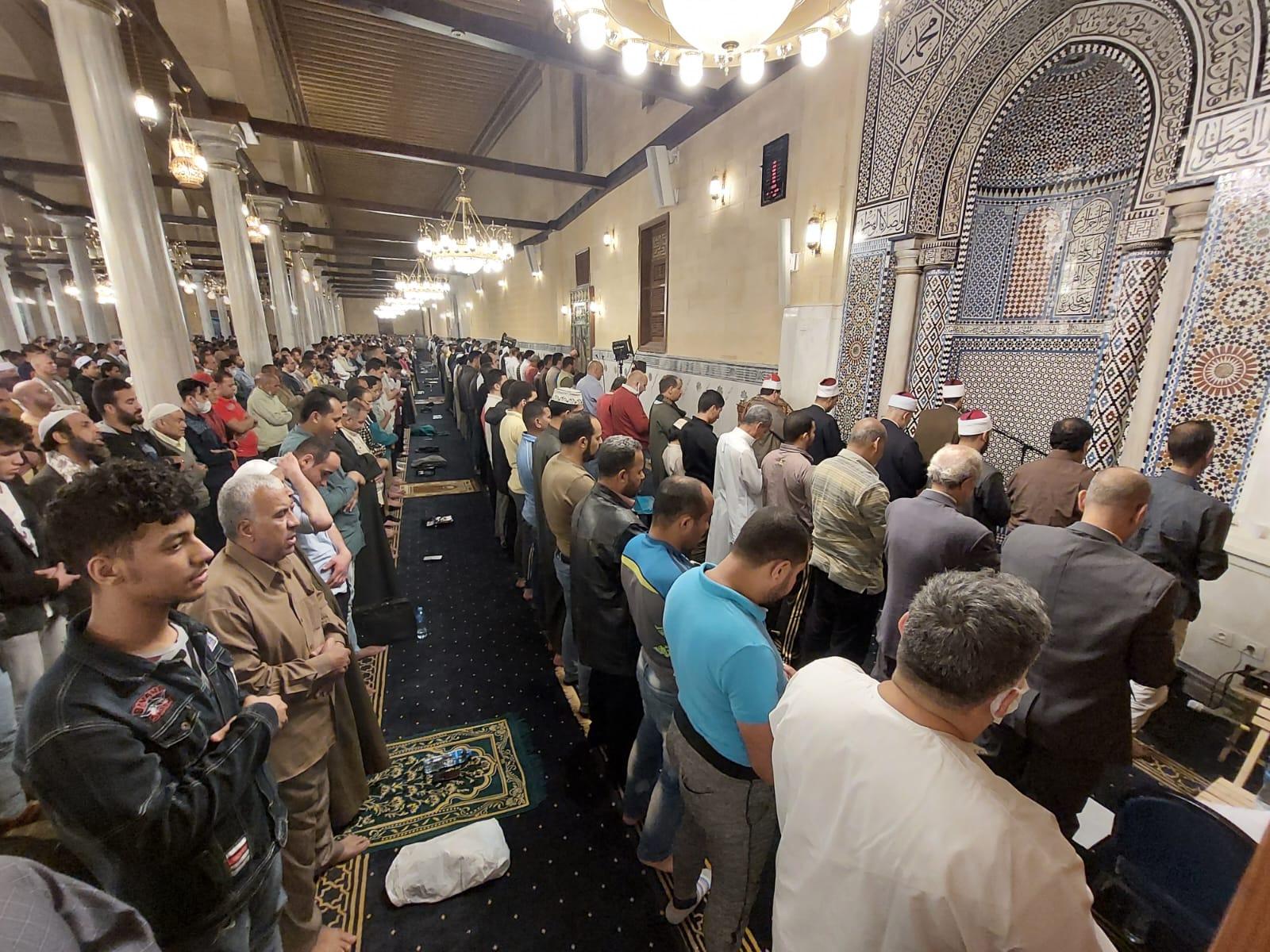
Ruling on the Order Between Fajr Prayer and Its Sunnah
What is the ruling on performing the Fajr Sunnah before the obligatory prayer? Learn what to do when...
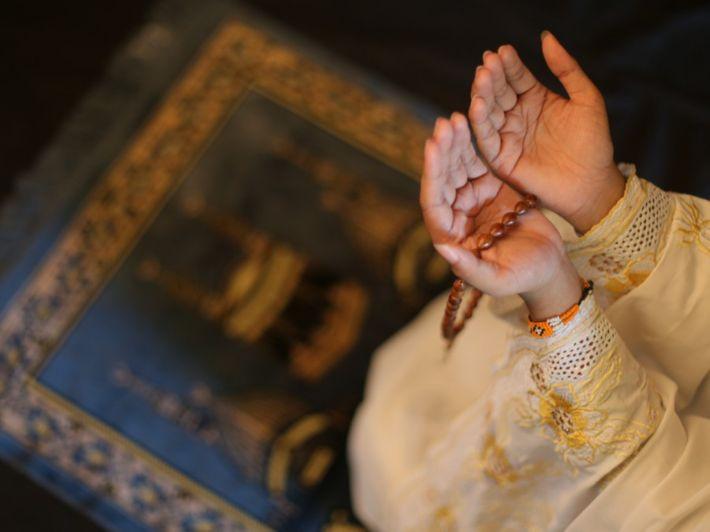
Is a Mother’s Prayer Against Her Children Answered? Islamic Ruling
Is a mother’s prayer against her children answered if it is made in anger? Learn the Islamic ruling...

Why Is Surah At-Tawbah Called by This Name? Names and Background
Why is Surah At-Tawbah called by this name? Learn about the reason behind its name, its other well-k...
Dua for Severe Distress and Relief from Worry: Prayers for Comfort
Dua for severe distress and relief from worry can help a Muslim turn to Allah during hardship, seek...
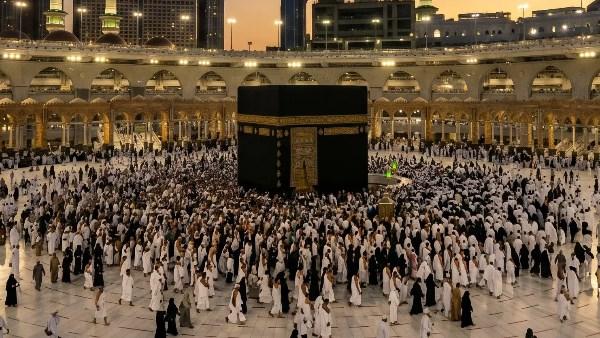
How Can I Pray for Myself to Perform Umrah? Duas for Visiting Makkah
Learn how to pray for yourself to perform Umrah, with heartfelt supplications for visiting the Sacre...