Dar Al-Ifta Clarifies the Islamic Ruling on Medical Massage and Its Legal Conditions
Egypt’s Dar Al-Ifta stated that medical massage is religiously permissible if practiced for therapeutic purposes under professional supervision, provided Islamic guidelines of modesty and necessity are observed.

Dar Al-Ifta Egypt has issued an official clarification on the Islamic ruling regarding medical massage, explaining that it is a lawful therapeutic practice when conducted for legitimate medical reasons and within the limits of Islamic ethics.
The institution described massage as the manual manipulation of body tissues to ease muscles, stimulate blood flow, and promote recovery. In medical terms, massage refers to the controlled mechanical stimulation of body surfaces by the hands or devices, aimed at therapeutic benefit.
Citing the Prophet Muhammad ﷺ, Dar Al-Ifta emphasized that seeking medical treatment is encouraged in Islam:
“Seek treatment, O servants of Allah, for Allah has not created a disease except that He has also created its cure, except for death and old age.”
The statement referenced both classical and modern sources, such as Ibn Sina’s “Canon of Medicine”, and contemporary works like “Massage Therapy” and “Physical Therapy Techniques”, confirming the scientific benefits of massage in relieving pain, improving circulation, and calming the nervous system.
Dar Al-Ifta outlined several key Islamic conditions for practicing medical massage:
The private parts must remain covered except where medical necessity dictates.
Direct touch should be avoided if a barrier can be used.
The procedure must be free from temptation or inappropriate exposure.
The therapist must be qualified and licensed under national medical regulations.
The fatwa concluded that medical massage is permissible in Islam when practiced with professionalism, modesty, and medical necessity, affirming that preserving health within ethical limits aligns with the objectives of Islamic law.
Did you know there is a prayer between Maghrib and Isha that many overlook but carries immense reward? Learn about this prophetic practice and its virtues.
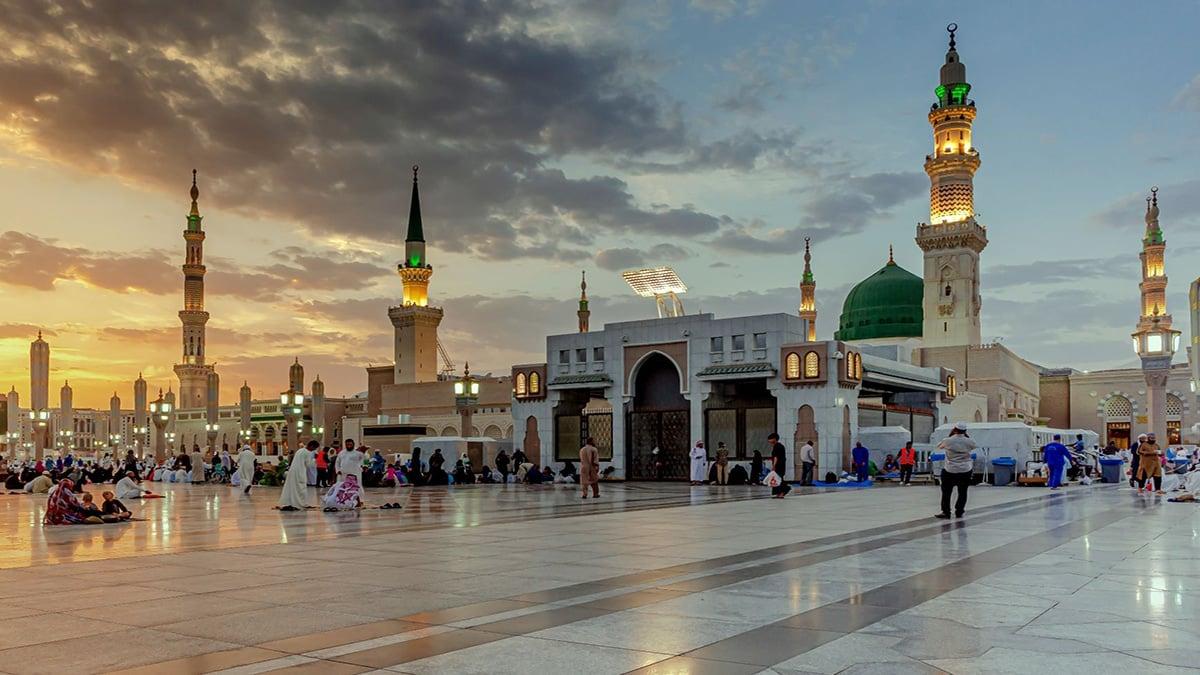
Egypt’s Ministry of Awqaf continues its mosque development plan by opening 69 mosques nationwide this Friday, including new constructions, renovations, and maintenance projects
Learn key supplications for the opening of prayer, including Al-Istiftah, Tashahhud, and post-prayer forgiveness, to deepen devotion and seek guidance
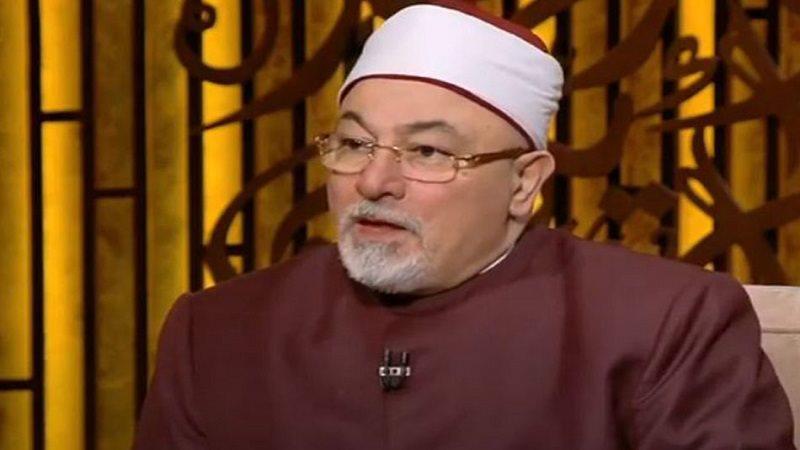
Sheikh Khaled El-Gendy highlights Ramadan as an opportunity to revive altruism, prefer others over personal desires, and embrace sincere repentance
