 Religious News

Egypt’s Dar Al-Ifta clarified Islamic rulings regarding the use of kohl during ablution and speaking while performing wudu, emphasizing the need to wash the entire face and maintain proper manners of purification.

The Al-Azhar Global Center for Electronic Fatwa outlined ten key manners that Muslims should observe when dealing with the elderly, emphasizing that respecting and honoring older people is a noble Islamic virtue rooted in compassion and humility.
Egypt’s Dar Al-Ifta has confirmed that mentioning a person by name while praying for them during Salah is permissible in Islam, whether in obligatory or voluntary prayers, as long as the supplication remains within the bounds of proper conduct and Islamic teachings.

Dar Al-Iftaa clarified that the best time to recite evening supplications is from after Asr prayer until sunset, noting that reading them later is permissible and still rewarded by Allah.

Egyptian Islamic scholar Khaled El Gendy reminds believers that sustenance, power, health, and righteousness are granted solely by God’s will, urging people to trust in divine wisdom.

Dar Al-Ifta affirms that invoking blessings upon the Prophet during sales is commendable when done with sincerity but disliked if used for promotion or deceit.
Dar Al-Ifta scholars affirm that “Adiyat Yasin” has no basis in Islamic teachings, stressing that Surah Yasin should only be recited with good intentions, not harm.
Dar Al-Ifta clarifies that the Muslim nation’s testimony over others is a divine honor, proving its role as a just and truthful nation in this world and the hereafter.

Al-Azhar Fatwa Center confirms that the deceased benefits from charity given from their wealth or from the living, citing a prophetic hadith affirming the reward reaches them.
Egypt’s Dar Al-Ifta explains how to stay committed to Fajr prayer and lists 20 spiritual and worldly blessings for those who never miss it.
Egypt’s Dar Al-Ifta confirmed that the common phrase “Take the evil and it’s gone” does not contradict Islamic faith, as it expresses optimism and acceptance of destiny.
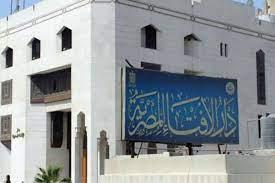
Egypt’s Dar Al-Iftaa emphasizes that Islam encourages lawful earning as a path to building strong nations and prosperous civilizations, warning against unethical financial gains like bribery or favoritism.
