 Religious News
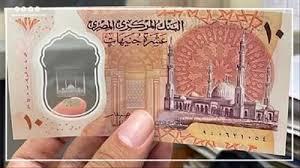
Egypt’s Dar Al-Iftaa Warns: Writing on Banknotes Is a Religious Violation and Damage to Public Funds
Dar Al-Iftaa has declared that writing on or defacing official banknotes is forbidden under Islamic law and punishable by law, calling it a violation of public trust and damage to the nation’s financial integrity.
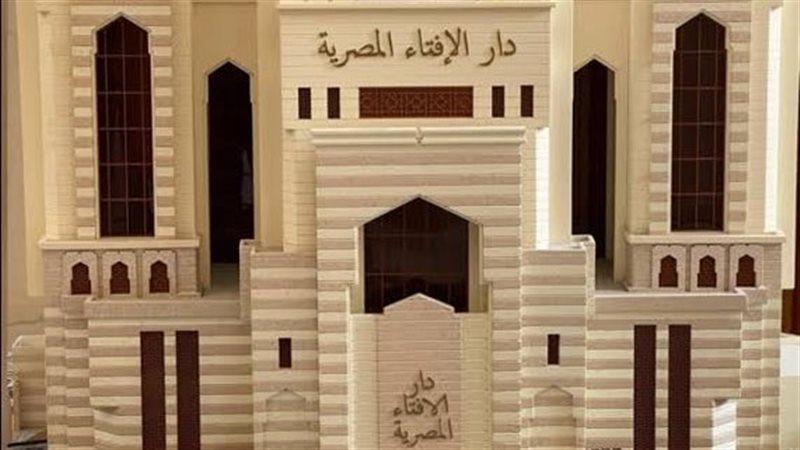
Egypt’s Dar Al-Iftaa has clarified the Islamic ruling on selling goods based on samples, confirming that such sales are permissible as long as the sold product matches the viewed sample, and the buyer retains the right to reject the item if it differs.
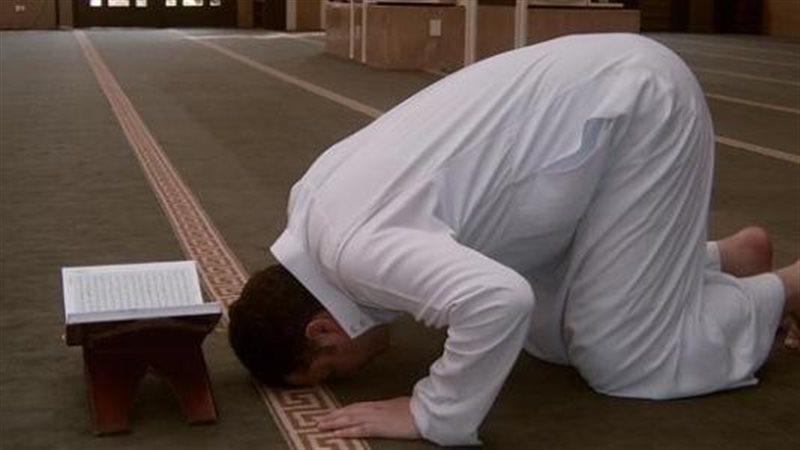
Egypt’s Dar Al-Ifta explained the Islamic ruling on seeking refuge from punishment when reciting or hearing verses of warning during prayer, outlining different scholarly opinions.

Sheikh Khaled El-Gendy emphasized that reflecting on the miraculous aspects of the Quran keeps minds engaged in goodness and guidance, steering the community away from conflicts and disputes.

Sheikh Khaled El-Gendy emphasized that the Sunnah contains literary, scientific, and educational miracles that deserve thorough study and scholarly attention.

Research warns of the dangers of sudden loud noises on heart health, highlighting the most vulnerable groups and effective prevention methods.

Religious scholars confirm that pregnancy supplications at the call to prayer are highly recommended and likely to be answered, offering five daily opportunities to ask for righteous offspring.
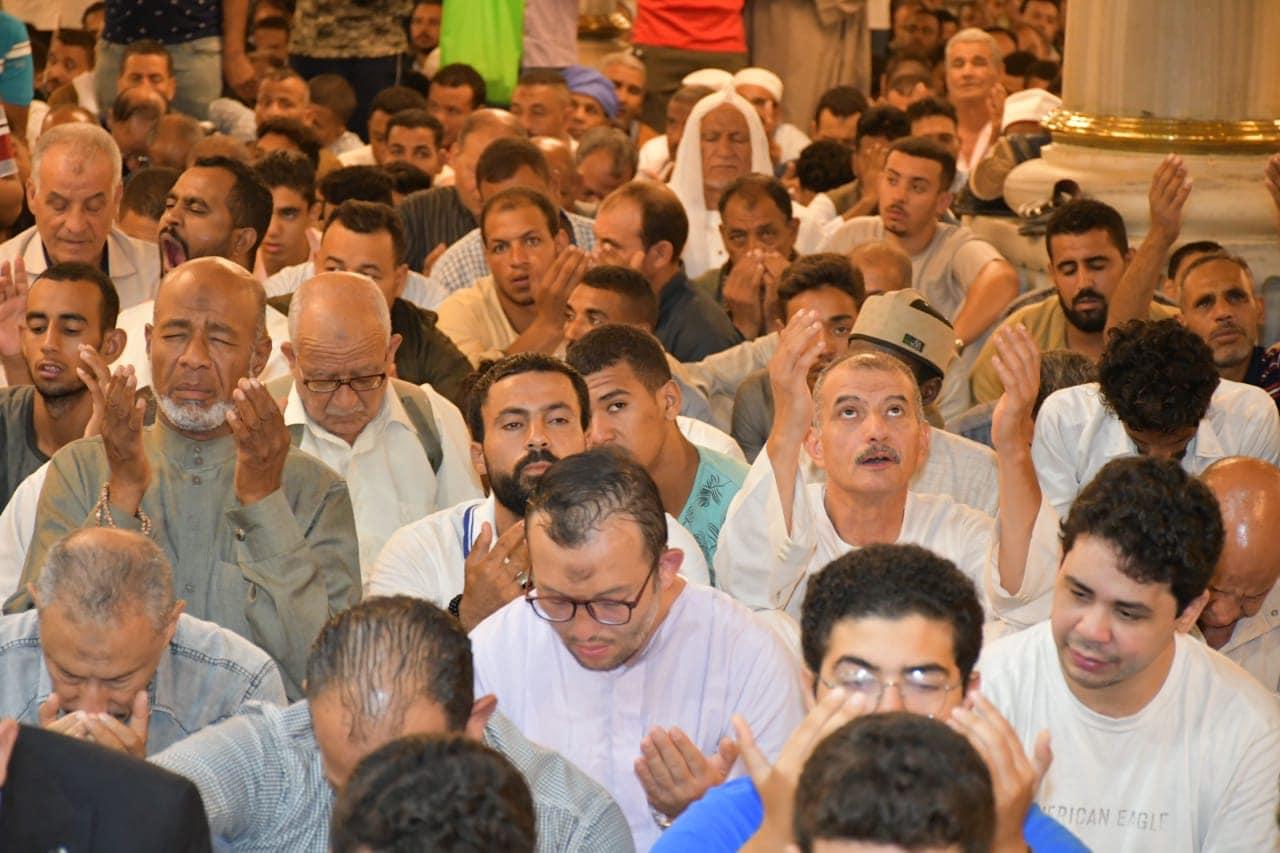
Egypt’s Dar al-Ifta stated that wiping the face with hands after supplication is recommended outside prayer, and some Shafi‘i and Hanbali scholars permit it during prayer after qunut.
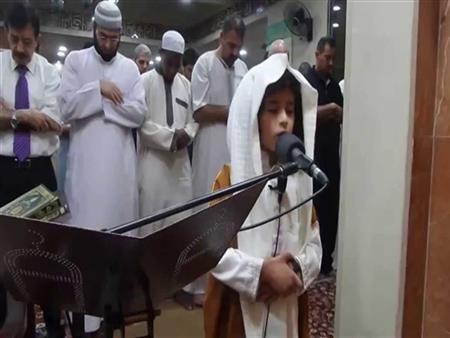
Egypt’s Dar al-Ifta stated that praying behind a young person who has memorized the entire Quran is valid, provided they recite correctly, and emphasized that age does not prevent one from leading prayer.
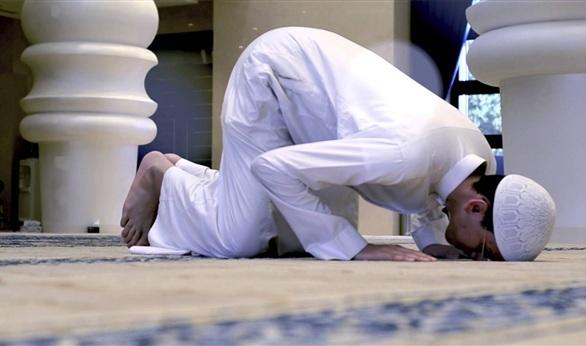
Egypt’s Dar al-Ifta explained that rushing in prayer does not invalidate it unless it disrupts the calm and stability of its pillars, emphasizing the necessity of proper bowing, prostration, and mindfulness.
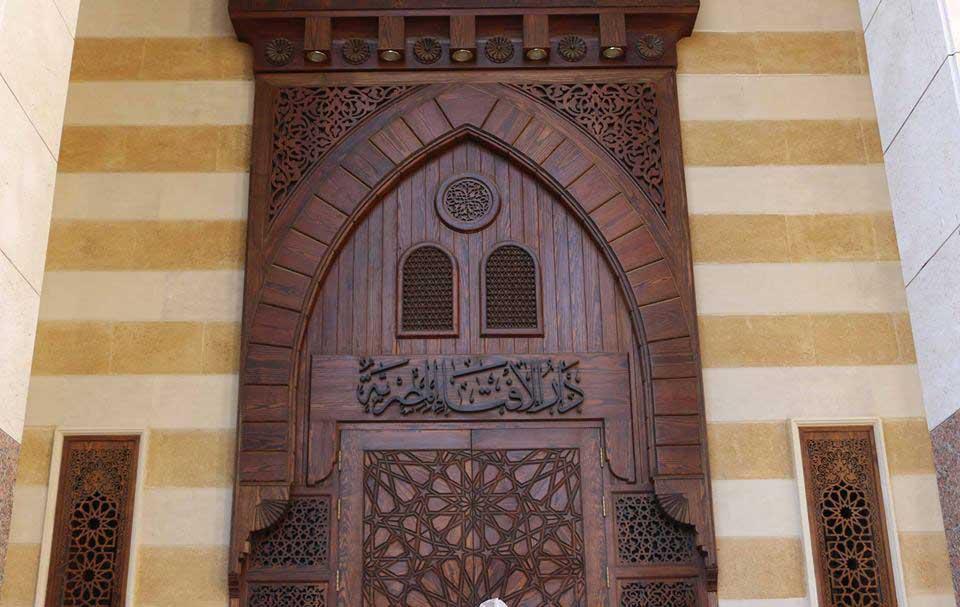
Egypt’s Dar al-Ifta explained that joking is permissible if harmless and kind, but hiding others’ belongings or playing pranks that cause fear is prohibited, citing the Prophet ﷺ and scholars.
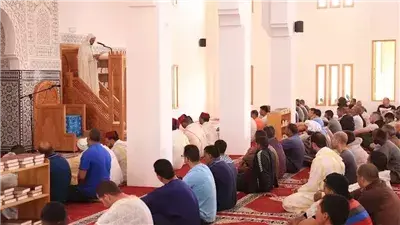
Egypt’s Ministry of Endowments announced that the upcoming Friday sermon will focus on the verse “We have not sent down the Qur’an to cause you distress,” emphasizing Islam’s message of mercy and warning against extremist thought. The second sermon will discuss “Proper Conduct with Tourists.”
