 Religious News
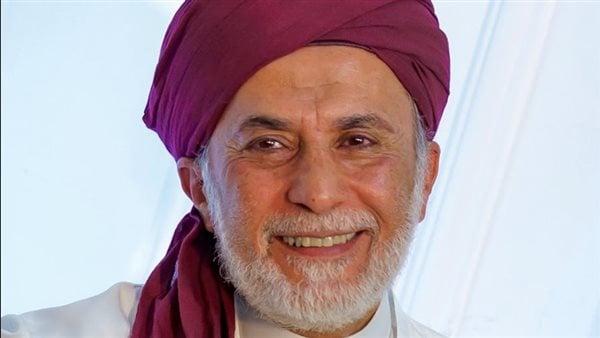
Dr. Yousry Gabr, a scholar of Al-Azhar, explained the significance of the Prophet Muhammad’s ﷺ preference for the right side in hosting and daily acts, describing it as a noble tradition that reflects humility, etiquette, and generosity.

Dr. Yousry Gabr, an Al-Azhar scholar, said that a true attachment to the Prophet ﷺ begins with knowledge, as love cannot exist without understanding. He urged Muslims to learn about the Prophet’s life, manners, and character as the true path to love.

Dr. Yousry Gabr, a scholar of Al-Azhar, affirmed that the reward of reciting Surah Al-Fatiha and the Qur’an reaches the deceased, citing the funeral prayer where Al-Fatiha is recited as clear evidence that its reward benefits the dead.

Egypt’s Dar Al-Ifta explained that the original form of Istikhara involves two units of prayer followed by supplication, but it may be performed by supplication alone for those unable to pray, such as women in menstruation or those without purification.
Egypt’s Dar Al-Ifta confirmed that it is permissible to gift the reward of Quran recitation to more than one deceased person, clarifying that intention lies in the heart and that the reward reaches all by Allah’s grace.

Grand Mufti Dr. Nazir Ayyad declared that any money taken by employees from citizens in exchange for faster or preferential service is a forbidden bribe, stressing that a public servant’s lawful income is limited to their official salary.

Egypt’s Dar Al-Iftaa clarified the Islamic ruling on where a woman should stand when performing prayer in congregation with her husband at home, detailing the scholarly opinions on whether standing beside him is permissible.

Egypt’s Dar Al-Iftaa explains how to calculate Zakat on business assets in eight clear steps, clarifying the criteria for valuation, deduction, and the required 2.5% payment once the wealth reaches the Nisab and a full lunar year passes.
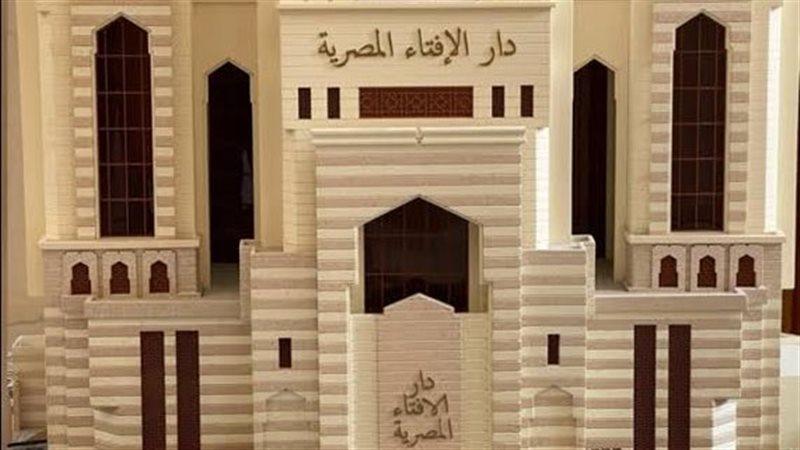
Egypt’s Dar Al-Ifta has ruled that using entrusted money without the owner’s permission is strictly prohibited, even if done with good intentions, stressing that any profit belongs to the owner, while any loss must be borne by the one who acted without authorization.

Egypt’s Dar Al-Iftaa emphasized that marriage in Islam is a bond built on affection, mercy, and partnership—not rivalry or competition. The institution called for wise management of family conflicts and highlighted the importance of premarital education to preserve family stability.

Egypt’s Dar Al-Iftaa stated that spending on the poor and fulfilling their basic needs carries greater reward than performing a voluntary Umrah, emphasizing that Islamic law prioritizes helping others over personal acts of devotion.

The Al-Azhar Global Center for Electronic Fatwa emphasized the importance of time management as an act of faith and a key to personal success, stressing that managing time is not merely an administrative task but a religious and moral duty.
