 Religious News
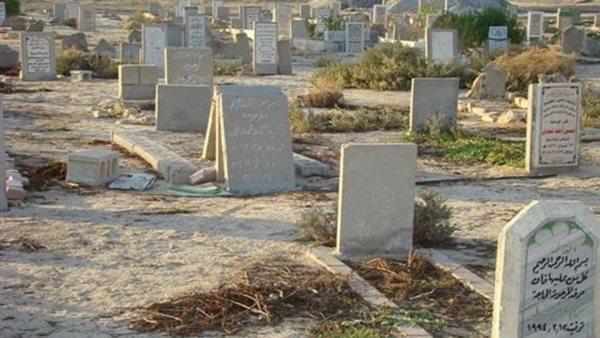
Al-Ifta clarifies that giving charity on behalf of the deceased is permissible and recommended, and its reward reaches the deceased, with attention to etiquette and health considerations during grave visits.
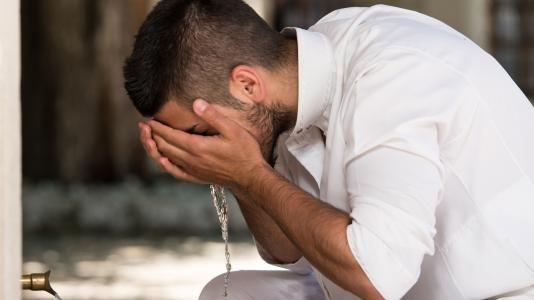
The Grand Mufti clarifies the rulings on wiping the neck during wudu, talking during wudu, and washing the face when wearing kohl, highlighting proper Islamic practices and jurisprudential differences.

Al-Azhar Fatwa Center warns against taking others’ money unlawfully in any form, explaining the fate of bribery and its legal consequences in Islam.

The last hour of Duha prayer is a blessed time before Dhuhr, where Allah opens the gates of heaven for accepted deeds, provision, and relief.
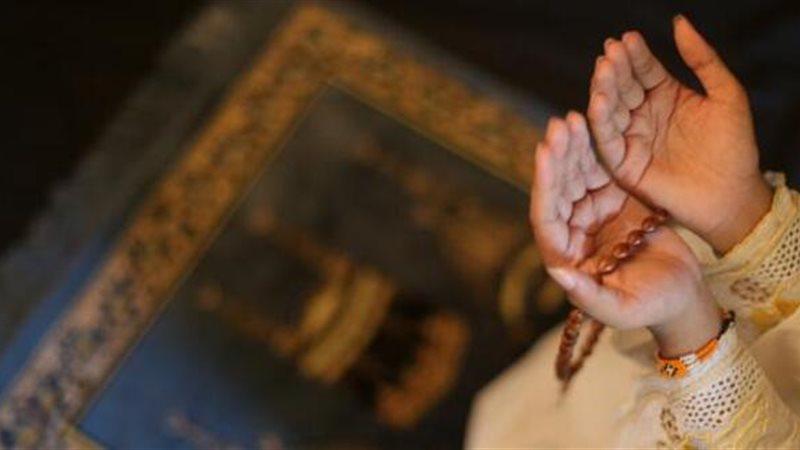
Duha prayer is a confirmed Sunnah; it can be skipped by those performing hard labor and may be made up later if missed. Its time extends from shortly after sunrise until ten minutes before Dhuhr.
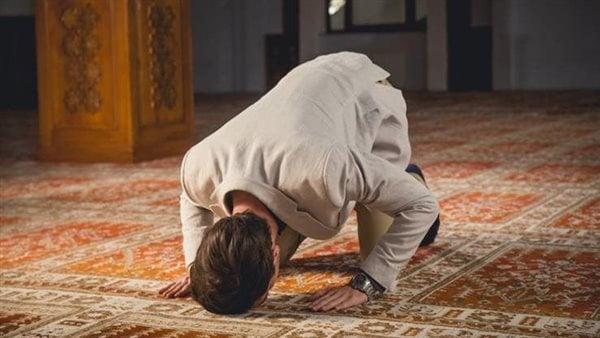
Dhuhr is one of the obligatory prayers recited silently even in congregation, with spiritual and practical reasons behind this practice, following the example of the Prophet ﷺ.
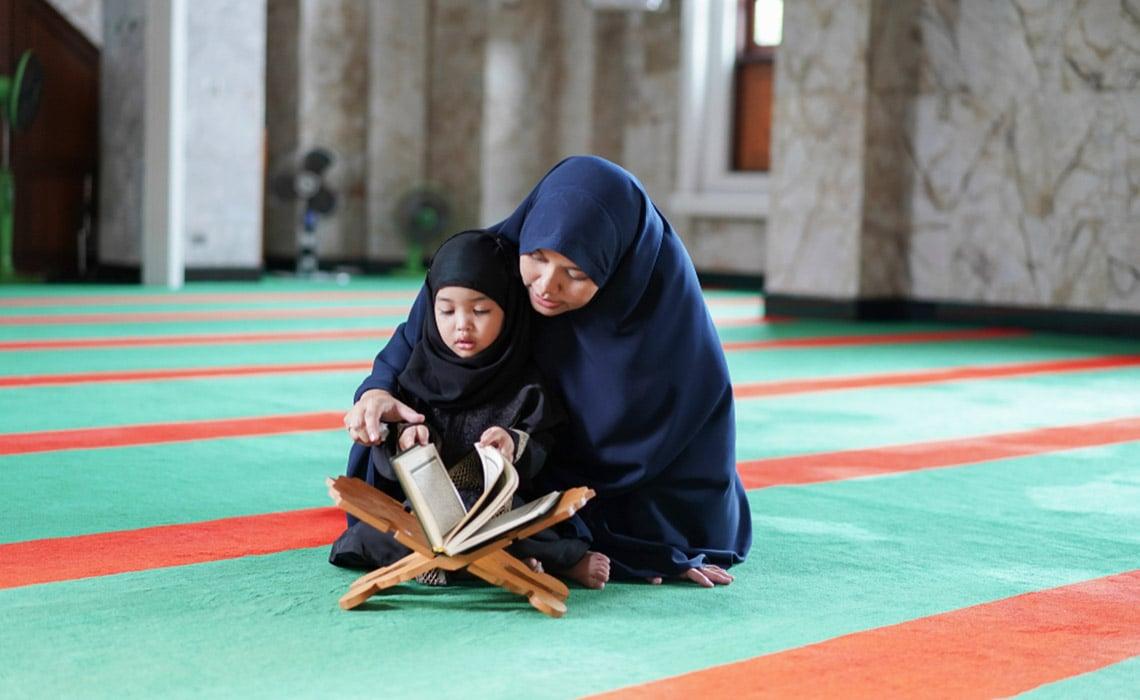
Al-Azhar explains that nurturing and guiding the child are among their fundamental rights in Islam, from birth through education, religious instruction, and social protection.
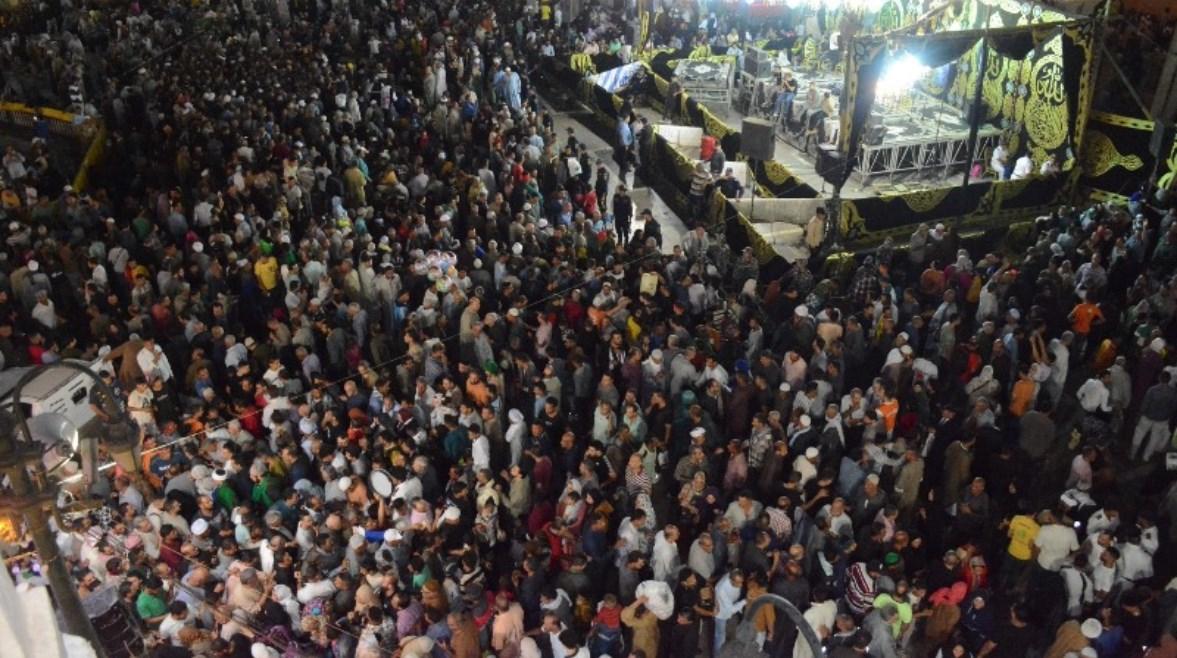
Dar Al-Ifta confirms that celebrating saints’ birthdays is permissible and recommended in Islam, provided that religious guidelines are observed and improper behavior is avoided.

Egypt’s Dar Al-Ifta has clarified the Islamic ruling on reserving gold items by paying part of their price in advance, explaining that this common practice is not valid under Islamic law unless certain conditions are met.
The so-called “Tahreij Supplication” has sparked debate among scholars and healers about its legitimacy in Islamic ruqyah. Some believe it helps expel jinn peacefully, while others warn it has no basis in the Sunnah.

A member of Al-Azhar Global Fatwa Center explained the great virtue of the Fajr Sunnah prayer and clarified its ruling when the prayer time has passed, emphasizing that the obligatory prayer should always be performed first.
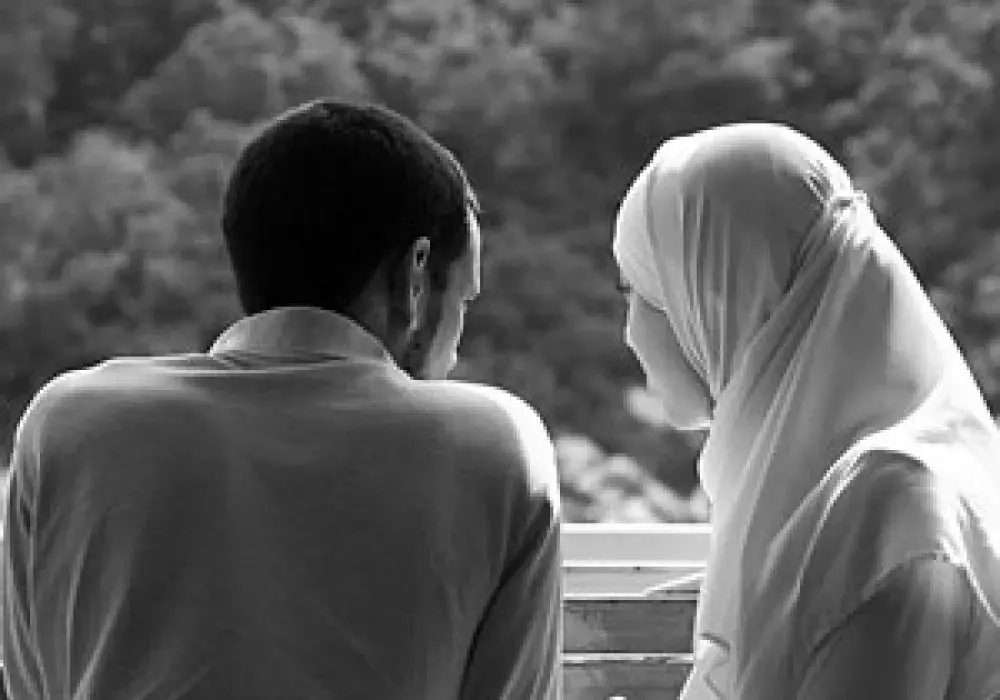
Dr. Hassan Al-Qasabi, Professor of Hadith at Al-Azhar University, clarifies that the Prophet’s saying “The woman was created from a bent rib” is a message of honor and compassion, not a statement of inferiority.
