Religious News
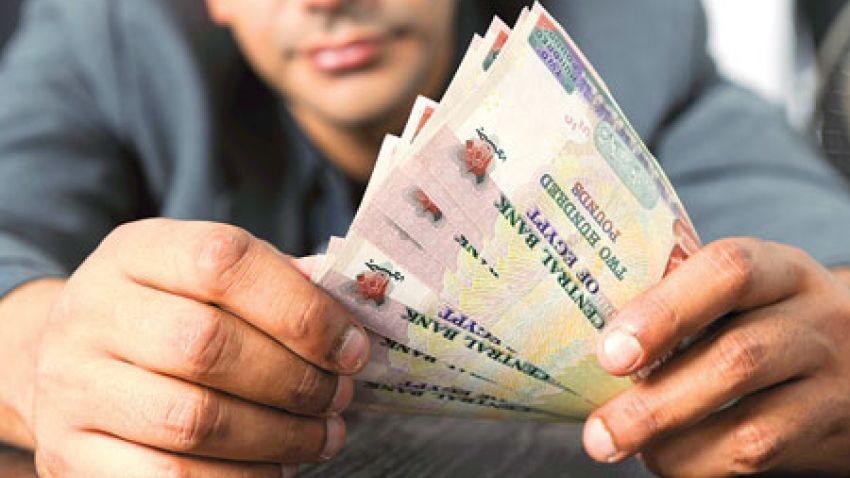
Money involving suspected riba
Sheikh Awaida Othman, Fatwa Secretary at the Egyptian Dar Al-Ifta, explained the ruling on benefiting from money resulting from a transaction suspected of involving riba
Read More
Ruling on Delaying Fajr Prayer After Its Time: Dar Al-Ifta Explains
Sheikh Awaida Othman, Fatwa Secretary at the Egyptian Dar Al-Ifta, explained the ruling on delaying...

Complete Evening Adhkar: Essential Supplications for Peace and Protection
Evening Adhkar are among the acts of worship Muslims recite at the end of the day, including Quranic...

Mahdy Soliman Set to Return for Zamalek Against Ghazl El Mahalla
Mahdy Soliman is expected to return to Zamalek’s starting lineup against Ghazl El Mahalla in the Egy...
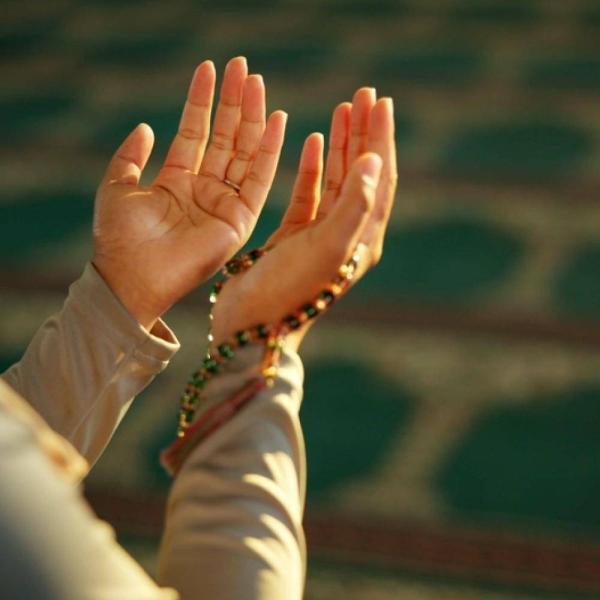
What Is the Greatest Dua for Repentance? Sayyid al-Istighfar
Discover one of the greatest supplications for repentance and seeking forgiveness, Sayyid al-Istighf...
Can a Father Give Zakat to His Indebted Son? Dar Al-Ifta Explains
Egypt’s Dar Al-Ifta explains whether a father may give his Zakat to an indebted son, whether a son m...

Mohamed Abu Bakr Explains Birthday Celebration at Quran Center
A birthday celebration held by students at Sheikh Mohamed Abu Bakr’s Quran memorization center spark...

Sheikh Mahmoud Abdel Hakam: The Life of an Egyptian Quran Reciter
On the anniversary of his passing, discover the most important milestones in the life of Sheikh Mahm...
The Prophet’s Description of Ibrahim, Musa and Isa in Isra and Mi'raj
Learn how Prophet Muhammad ﷺ described Ibrahim, Musa and Isa, and discover the greetings, prayers an...

The Story of Abasa wa Tawalla: Who Was Ibn Umm Maktum?
The opening verses of Surah Abasa tell the story of Abdullah ibn Umm Maktum and highlight the value...
The Story of the Hadith About Fatima: Lessons in Justice and Equality
The story of the Makhzumi woman highlights the Prophet Muhammad’s ﷺ firm commitment to justice and e...

Ruling on Ripped Jeans for Men: Islamic Guidelines Explained
Sheikh Ahmed Wissam explained the guidelines for men wearing ripped jeans, emphasizing modesty, avoi...