 Religious News

Quranic supplications are more than recited words; they serve to draw closer to Allah, bring peace and tranquility to the heart, and strengthen spiritual faith.
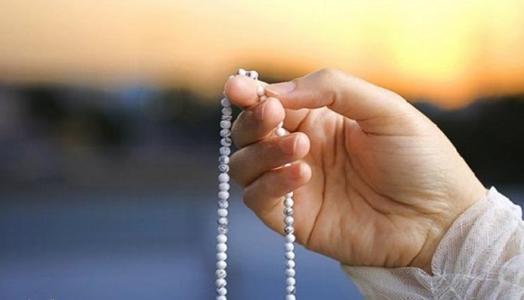
The post-prayer supplications fill the soul with peace and light, extending the bond between the servant and his Lord even after completing the bowing and prostration, bringing calmness and serenity to the heart.

Each morning, the soul rises with the remembrance of Allah, as light shines within the heart just as dawn breaks across the sky, filling the day with peace and blessings.

The complete bedtime supplications as taught by the Prophet ﷺ — a spiritual shield before sleep that fills the heart with calm and grants the soul peace through the remembrance of Allah.

A full collection of evening supplications (Adhkar) from the Sunnah of the Prophet ﷺ, recited after Asr until sunset for protection, peace, and blessings. Includes Ayat Al-Kursi, the last three Surahs, and the Master of Forgiveness.
A collection of traditional morning remembrances (Ayat al-Kursi, Al-Ikhlas and the Mu'awwidhatayn, supplications of forgiveness, praise and prayers), recommended after Fajr until sunrise; they comfort the heart, guard the day, and bathe the soul in gentle peace.

Dr. Nazir Ayyad, Egypt’s Grand Mufti, issued a detailed statement clarifying that a woman’s prayer while wearing the niqab is valid according to Islamic law but disliked unless there is a valid reason, as it prevents full prostration as taught by the Prophet ﷺ.

The dua of Surah Al-Baqarah is one of the most searched supplications due to the great virtues of this powerful chapter of the Quran. It brings blessings, healing, protection, and peace to those who recite it regularly.

Egypt’s Dar Al-Ifta warns against unjustified divorce, emphasizing that it is among the most disliked lawful acts in Islam and should occur only when necessary.

Dar Al-Ifta has affirmed that writing Qur’anic verses on the ground for memorization and learning is permissible in cases of necessity, provided that the place remains pure, protected, and treated with full respect. The goal is to facilitate Qur’an education where teaching tools are unavailable.

This report highlights key Islamic fatwas regarding sensitive issues such as fetal death, leaving the residence during the waiting period, and how a patient with a urinary catheter can purify for prayer, as explained by Egypt’s Dar Al-Ifta.

Grand Imam of Al-Azhar, Dr. Ahmed Al-Tayeb, expressed heartfelt condolences to Qatar’s Emir, government, and people following the death of several Amiri Diwan members in a tragic traffic accident in Sharm El-Sheikh.
