

Diabetic foot is a complication of diabetes where high blood sugar levels lead to poor blood circulation 🩸 and nerve damage 🦵, increasing the likelihood of developing wounds and ulcers on the foot. Treatment involves proper wound care, laser therapy 💡, or other advanced techniques.
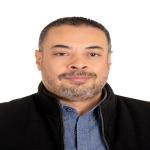
Dr. Mohamed Nada
Dr. Mohamed Nada
Egypt's #1 Verified Directory
Verified Information
Contact
Available Now
Address
Victory Tower above Al-Abyad Car Showroom, First King Faisal Street, Abu Qatada, Bulaq Al-Dakrour, Giza Governorate, Giza Pyramids, Giza
Follow Us
Overview
Specialist in Chronic Wounds and Diabetic Foot Treatment
Full Name
Dr. Mohamed Nada
City / Area
Giza , Giza Pyramids
Description
Name:
Dr. Mohamed Neda 🩺
Phone number:
📞 012 22648698
Address:
🏢 El Nasr Tower above El Abyad Car Showroom, First King Faisal Street, Abu Qatada, Bulaq El Dakrour, Giza Governorate.
Dr. Mohamed Neda
Specialist in Chronic Wounds and Diabetic Foot Treatment 🦶💉
Introduction
Dr. Mohamed Neda is one of the prominent names in the field of chronic wound treatment and diabetic foot care, with deep experience in providing specialized care for patients suffering from complex problems related to wounds caused by diabetes. 🩹⚕️
Academic Background
Dr. Mohamed holds a Master's degree in General Surgery, in addition to specialized training in chronic wound management and diabetic foot treatment. 📚🎓 He is always keen to follow the latest research and developments to ensure the best treatments.
Specializations
Dr. Mohamed specializes in:
Chronic Wound Treatment: Applying advanced techniques to improve the management of wounds that do not heal easily. 🩹🔬
Diabetic Foot Treatment: Providing comprehensive care for patients suffering from diabetic foot complications, including both surgical and non-surgical treatments. 🦶💉
Awareness and Education: Organizing workshops and lectures to increase awareness of how to prevent and manage chronic wounds. 🎓🗣️
Methodology
Dr. Mohamed relies on a comprehensive approach that includes:
Accurate Assessment of each patient's condition to determine their individual needs. 🧑⚕️🔍
Customized Treatment Plans tailored to the patient's condition. 📋💡
Regular Follow-ups to assess progress and make necessary adjustments to treatment plans. 🔄📅
Achievements
Dr. Mohamed has achieved many successes in:
Improving Patient Conditions and achieving positive results in wound healing. 💪💊
Raising Public Awareness of the importance of early treatment for chronic wounds and diabetic foot through educational events. 📚🎤
Message
Dr. Mohamed aims to empower individuals to improve their health by providing specialized and comprehensive care. 🌟❤️
Conclusion
Dr. Mohamed Neda is considered a role model in the field of chronic wound treatment and diabetic foot care, combining knowledge and experience to help others overcome their health challenges. 🏆👨⚕️
Chronic wounds are wounds that do not heal at the usual rate and require long-term treatment. These wounds include pressure ulcers 🛏️, wounds caused by diabetes 🦶, and diabetic foot wounds.
Pressure ulcers occur due to continuous pressure on the skin from sitting or lying down for prolonged periods without movement. This pressure reduces blood flow to the tissues, leading to skin damage 🧑⚕️.
How can pressure ulcers be prevented?
Prevention includes regularly changing body position 🔄, using cushions and supportive rolls to reduce pressure on sensitive areas 💺, and paying attention to hygiene and skincare 🧴.
Prevention includes changing the body position regularly 🔄, using supportive pillows and rollers to reduce pressure on sensitive areas 💺, in addition to paying attention to hygiene and skin care 🧴
Dentists
Cosmetic Doctors
Ophthalmologists
Orthopedic Doctors
Pediatricians
Neuro and spine surgery
Internal doctors
Cardiologists
Ear, nose and throat doctors
Nephrologists and urologists
Psychiatrists
Gynecologists and obstetricians
Plastic surgery doctors
Endocrinologists
Physiotherapists
Dermatologists
Gastroenterologists and Hepatologists
Hematologists and Hemato-Oncologists
Chest and respiratory doctors
Speech, voice and swallowing doctors
Gastric sleeve and gastric bypass doctors
Pancreatic surgeons
Psychiatrists who treat addiction
Doctors for chronic wounds, bed sores and diabetic foot
Nutritionists and weight loss doctors
General surgeons
Doctorate of Geriatrics
Diabetologists and endocrinologists
Allergists and immunologists
Pain medicine doctor
Pediatric Surgeons
اطفال الانابيب والعقم والجراحة بالمنظار
Veterinarians
Vascular Surgery
