Dr. Safaa Tayab

Dr. Safaa Tayab

Dr. Safaa Tayab

Nutritionists and weight loss doctors Cairo, Sheraton Heliopolis
Egypt's #1 Verified Directory Verified Information
Contact
Available Now
Book Appointment / Phone
Address

American Hospital, 28 Khaled Ibn Al Waleed Street, Sheraton El Nozha Residences, Cairo, Sheraton Heliopolis, Cairo

Follow Us
Overview

Nutrition, weight loss and thinness treatment consultant

Full Name Dr. Safaa Tayab
City / Area Cairo , Sheraton Heliopolis
Description

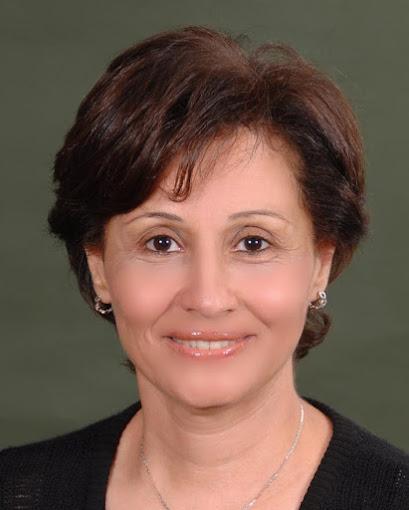
Dr. Safaa Tayab

is a consultant in nutrition, weight loss, and underweight treatment, specializing in providing comprehensive dietary consultations aimed at achieving a healthy body balance through personalized and scientifically-based nutritional solutions. Dr. Safaa has extensive experience in addressing various weight-related issues, whether related to obesity or excessive underweight, focusing on offering effective treatment programs to help patients regain their ideal weight or shed excess weight.

Experience and Specializations:
Dr. Safaa Tayab holds advanced qualifications in therapeutic nutrition and has years of experience providing specialized dietary and treatment consultations for obesity and underweight issues. She designs tailored nutrition programs for patients to address both weight gain and weight loss disorders, focusing on improving overall health and enhancing quality of life.

Personalized and Effective Treatment Approach:
Dr. Safaa Tayab adopts a personalized and comprehensive approach to treating weight issues, starting with a thorough assessment of the patient’s condition, including their medical history, physical activity level, and eating habits. Based on this, she designs a balanced and integrated nutrition plan that meets the body's needs and achieves the desired goals, whether for healthy weight gain or weight loss. She also emphasizes the importance of promoting health awareness and making long-term sustainable dietary habit changes.

Dr. Safaa Tayab’s Vision:
Dr. Safaa aims to raise awareness about the importance of proper nutrition in disease prevention and achieving a healthy, balanced life. She believes that good nutrition is the foundation for maintaining an ideal weight and overall health and that balancing the body through a suitable diet positively impacts quality of life in the long term.

Tangible Results:
Dr. Safaa Tayab has achieved significant success in helping her patients reach their ideal weight, whether in cases of obesity or underweight. Through the design of personalized nutrition programs, she has helped many individuals achieve clear, measurable results and improve their general health.

If you're looking for a specialized nutrition consultant to help you overcome weight or underweight issues in a healthy and safe way, Dr. Safaa Tayab is an ideal choice for those seeking effective and sustainable solutions to improve their health and weight.

FAQ

FAQ

Comprehensive and direct answers to the most frequently asked questions about available services and specialties.

Egypt's #1 Verified Directory

Therapeutic nutrition is a specialized field that focuses on the strategic use of food and beverages as therapeutic tools to support the treatment and management of various medical conditions. The primary objectives of therapeutic nutrition include:

  • Managing chronic diseases: Such as diabetes, cardiovascular diseases, hypertension, and kidney disorders, through tailored dietary interventions that help control and manage these conditions.
  • Preventing diseases: A well-balanced, nutrient-dense diet plays a crucial role in preventing chronic diseases like obesity, type 2 diabetes, and cancer.
  • Enhancing organ function: A healthy, properly balanced diet provides essential nutrients that are vital for the optimal functioning of body organs.
  • Personalized care: Nutrition professionals create individualized dietary plans designed to meet the specific needs of patients with particular medical conditions (for instance, individuals with kidney disease may need to reduce protein or potassium intake).

Therapeutic nutrition is grounded in scientific principles that ensure diets are customized according to the patient’s medical condition, ultimately promoting recovery and improving overall quality of life.

Nutrition plays a significant role in increasing the rate of fat burning and reducing fat storage through the following mechanisms:

  • Increasing protein intake: Protein-rich foods (such as lean meats, eggs, and beans) promote feelings of fullness and support muscle building, which in turn boosts metabolism, resulting in more efficient fat burning.
  • Fiber: Consuming foods high in fiber (such as vegetables and fruits) aids digestion and helps you feel fuller for longer, reducing unhealthy snacking and limiting fat accumulation.
  • Healthy fats: Healthy fats, such as omega-3s found in fatty fish and olive oil, enhance fat-burning processes in the body and contribute to improving cholesterol levels.
  • Reducing sugar intake: Excess sugar tends to accumulate as fat in the body, so it is advisable to reduce the consumption of sugars and sugary drinks, which contain refined sugars.

A balanced diet focusing on proteins, fibers, and healthy fats can accelerate the fat-burning process effectively.

Certain foods contribute to accelerating the fat-burning process, including:

  • Fatty fish (such as salmon and tuna): These are rich in unsaturated fatty acids and omega-3s, which help promote fat burning and reduce inflammation.
  • Green tea: Contains antioxidants that may help enhance metabolism and speed up fat burning.
  • High-quality proteins: Such as lean meats, eggs, and poultry. Protein not only aids in muscle building but also boosts metabolism and promotes fat burning.
  • Fiber-rich foods: Such as whole grains, fruits, and vegetables, which help improve digestion and reduce fat absorption.
  • Spicy foods (such as chili peppers): Contain capsaicin, a compound that can contribute to increased metabolic rates and fat burning.

These foods contain components that enhance metabolism and promote fat burning, leading to healthy weight loss.

Physical therapy is a healthcare specialty focused on enhancing individuals' physical functions using non-invasive methods. It involves:

  • Therapeutic exercises: These include muscle-strengthening exercises, aerobic training, and flexibility exercises that aim to improve overall physical performance.
  • Heat and cold therapy: Heat packs are used to alleviate muscle tension, while cold therapy helps reduce inflammation and swelling.
  • Electrical stimulation therapy (such as electrical nerve stimulation): This technique stimulates nerves and muscles to reduce pain and promote the healing of tissues.
  • Massage therapy: Helps enhance blood circulation and relieve muscle tension.

Physical therapy plays a crucial role in rehabilitation, improving mobility and functionality, and assisting the body in recovering from injuries and chronic pain conditions.

While physical therapy does not directly melt fat, it plays an important role in improving physical fitness and strength, which indirectly contributes to fat burning:

  • Muscle-strengthening exercises: Physical therapy exercises help increase muscle mass, which in turn boosts metabolism and aids in burning more fat.
  • Improved endurance: Individuals undergoing physical therapy can enhance their stamina and engage in more physical activities, which helps burn additional calories.
  • Pain relief: By reducing pain in joints and muscles, physical therapy allows individuals to engage in exercise and physical activities more effectively, leading to higher energy expenditure and fat burning.

Physical therapy aids in enhancing physical performance and enables participation in exercises that contribute to fat loss.

A fat loss-focused diet should include:

  • Fewer calories than the body needs: The diet should be moderately low in calories to encourage the body to use stored fat as an energy source.
  • Protein and fiber: Protein helps build muscle and boosts metabolism, while fiber promotes a feeling of fullness, reducing overall calorie intake.
  • Healthy fats: Such as nuts, olive oil, and avocados. Healthy fats not only help reduce stored fat but also improve cardiovascular health.
  • Reduced simple carbohydrates: Such as refined sugars, focusing instead on complex carbohydrates that are rich in fiber and aid digestion.

A fat loss diet should be balanced to maintain energy levels while ensuring no negative impact on overall health.

Physical therapy exercises focus on strengthening muscles and increasing body flexibility:

Stretching Exercises: These improve muscle and joint flexibility, helping to reduce muscle tension. These exercises can be performed daily to help prevent injuries and improve movement.

Balance Exercises: Such as standing on one leg or exercises using a stability ball to enhance coordination between muscles.

Muscle Strengthening Exercises: These aim to increase the muscles' ability to withstand physical activities, such as resistance training exercises.

Proper nutrition is essential for achieving optimal physical performance, as it provides the necessary energy for engaging in physical activities:

Proteins: Promote muscle building and assist in recovery after exercise.

Carbohydrates: Provide the primary fuel during physical activities, especially in intense aerobic exercises.

Healthy Fats: Supply the body with long-lasting energy for activities requiring sustained effort.

Vitamins and Minerals: Contribute to maintaining nervous and muscular function and enhance the body's endurance capacity.


  1. What is the role of physical therapy in managing pain associated with obesity?

Obesity can place excessive strain on joints and muscles, leading to pain:

Muscle Strengthening: Physical therapy can help strengthen the muscles surrounding affected joints, such as the knees and back.

Improving Mobility: Targeted exercises can help alleviate pain caused by obesity and improve flexibility.

Pain Relief Techniques: Methods such as heat or cold therapy can reduce inflammation or swelling.


Yes, therapeutic nutrition positively impacts the results of physical therapy:

Proper Nutrition: Provides essential nutrients for healing and recovery, including protein for muscle building and vitamins to reduce inflammation.

Increased Energy: Carbohydrate-rich foods supply the body with the necessary energy to perform therapeutic exercises effectively.

Improved Muscle Performance: Nutrients like calcium and magnesium contribute to muscle strength and enhance endurance.


Search Directory
