
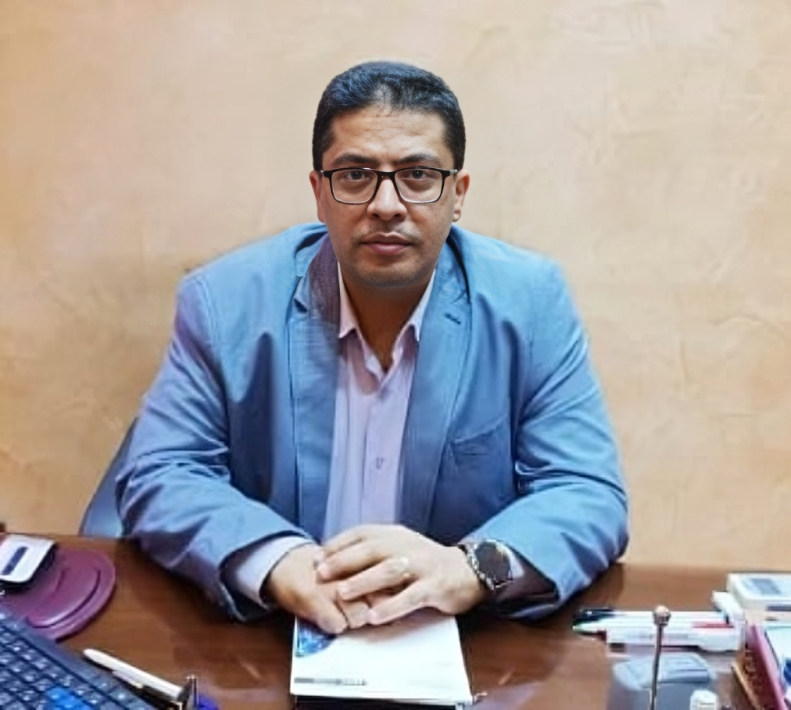
Dr. Khaled Amer

Dr. Khaled Amer

Dr. Khaled Amer

Gastroenterologists and Hepatologists Alexandria, Fleming
Egypt's #1 Verified Directory Verified Information
Contact
Available Now
Book Appointment / Phone
Address

54 Mustafa Kamel Street - In front of the Faculty of Physical Education Girls - Fleming, Fleming, Alexandria

Follow Us
Overview

Professor of Hepatology and Gastrointestinal Endoscopy

Full Name Dr. Khaled Amer
City / Area Alexandria , Fleming
Description

Dr. Khaled Amer

Professor of Hepatology and Gastrointestinal Endoscopy

Academic Qualifications:

  • Professor specialized in Hepatology and Gastroenterology
  • Advanced specialization in liver diseases and endoscopy

Professional Experience:

  • Professor at the Faculty of Medicine, specializing in the diagnosis and treatment of liver and gastrointestinal diseases
  • Expert in performing diagnostic and therapeutic endoscopies for a wide range of complex conditions such as hepatitis, liver cirrhosis, and gastrointestinal disorders like colitis and gastritis
  • Academic supervisor for medical students and residents in related specialties
  • Medical consultant for hospitals and specialized centers in liver and gastrointestinal disease treatment

Achievements and Research:

  • Published numerous research papers in reputable medical journals on liver diseases and innovative endoscopic treatments
  • Developed new therapeutic approaches to improve outcomes in liver cirrhosis and hepatitis treatment

Specializations:

  • Hepatology (Hepatitis, Cirrhosis, Viral and Non-Viral Liver Diseases)
  • Gastrointestinal Endoscopy (Gastroscopy, Colonoscopy, Diagnosis, and Treatment)
  • Diagnosis and treatment of gallbladder and pancreatic diseases
  • Management of gastrointestinal bleeding and benign and malignant tumors in the digestive system

Consultations and Clinics:

  • Dr. Khaled Amer offers specialized medical consultations for patients in his private clinic and affiliated hospitals.
  • Online consultations are also available for patients unable to attend in person.
FAQ

FAQ

Comprehensive and direct answers to the most frequently asked questions about available services and specialties.

Egypt's #1 Verified Directory

Gastrointestinal endoscopies are medical procedures that allow doctors to examine the digestive system using flexible cameras and specialized medical instruments, which are inserted through a natural opening (such as the mouth or anus) or through a small incision in the skin. These procedures help diagnose and treat many medical conditions without the need for major surgical incisions.

Types of Gastrointestinal Endoscopies:

  • Gastroscopy: Used to examine the esophagus, stomach, and duodenum. It is mainly used to detect stomach ulcers, gastritis, or stomach cancer.
  • Colonoscopy: Used to examine the large intestine (colon) and rectum. It is used to diagnose colon tumors, ulcerative colitis, or Crohn's disease and can also remove benign tumors.
  • Enteroscopy: Used to examine the lower parts of the small intestine, which are difficult to reach using standard endoscopy.

There are several liver diseases that can affect its function:

  • Viral Hepatitis: Caused by viruses such as Hepatitis A, B, and C, and can lead to liver cell destruction in the case of chronic infection.
  • Cirrhosis: Severe scarring of the liver resulting from repeated injury, such as chronic hepatitis or alcohol consumption.
  • Non-Alcoholic Fatty Liver Disease (NAFLD): The accumulation of fat in liver cells without an obvious cause like alcohol. It can lead to cirrhosis if left untreated.
  • Liver Cancer: It may develop as a result of cirrhosis or chronic inflammation, such as in Hepatitis B and C infections.

There are several liver diseases that can affect its function:

  • Viral Hepatitis: Caused by viruses such as Hepatitis A, B, and C, and can lead to liver cell destruction in the case of chronic infection.
  • Cirrhosis: Severe scarring of the liver resulting from repeated injury, such as chronic hepatitis or alcohol consumption.
  • Non-Alcoholic Fatty Liver Disease (NAFLD): The accumulation of fat in liver cells without an obvious cause like alcohol. It can lead to cirrhosis if left untreated.
  • Liver Cancer: It may develop as a result of cirrhosis or chronic inflammation, such as in Hepatitis B and C infections.


Cirrhosis is a condition that develops when scar tissue accumulates in the liver as a result of repeated or chronic injury, such as viral hepatitis or alcohol consumption. Cirrhosis leads to:

  • Impaired liver function: The liver’s ability to perform functions like detoxification becomes weakened.
  • Portal hypertension: Increased pressure in the veins that carry blood from the intestines to the liver.
  • Liver failure: Cirrhosis may progress to liver failure if left untreated.


Peptic ulcer disease is the erosion of the stomach or duodenal lining. It is diagnosed through:

  • Gastroscopy: A flexible camera is inserted to examine the stomach and duodenum.
  • H. pylori tests: A breath test or blood test to detect the bacteria responsible for causing ulcers.
  • Barium X-ray: Can reveal the presence of ulcers in the stomach.

Colonoscopy is a procedure used to examine the large intestine and colon using a flexible camera. The colonoscope can help with:

  • Early cancer detection: It is used for early detection of colon cancer, especially in individuals with a family history.
  • Removal of benign tumors: Benign polyps can be removed during the examination to prevent their progression to cancer.
  • Diagnosis of inflammatory diseases: Such as ulcerative colitis or Crohn's disease.


Ulcerative colitis is a chronic inflammatory condition that affects the colon. Potential causes include:

  • Genetic factors: A family history may be linked to an increased likelihood of developing the condition.
  • Immune system response: It is believed that the immune system attacks healthy tissues in the colon.
  • Environmental factors: Such as stress or infections, which may contribute to the worsening of the symptoms.


Yes, endoscopy can help treat several conditions, including:

  • Removal of benign tumors: During the examination, benign polyps that could potentially develop into cancer can be removed.
  • Stopping bleeding: In cases of gastric or intestinal bleeding, endoscopy can be used to stop the bleeding.
  • Insertion of stents or tubes: To help open blocked passages in the intestines.
  • Ulcer treatment: Medications can be injected or damaged ulcer areas can be cleaned using endoscopy.


Gastroesophageal Reflux Disease (GERD) is a condition where stomach acid leaks into the esophagus, causing irritation. Symptoms include:

  • Heartburn: A burning sensation in the stomach that extends to the esophagus.
  • Difficulty swallowing.
  • Chronic cough.
  • Disrupted sleep: Due to pain and heartburn.

GERD can be diagnosed using endoscopy or a pH monitoring test of the esophagus. Treatment includes medications to reduce stomach acid and dietary changes.


The treatment of Non-Alcoholic Fatty Liver Disease (NAFLD) primarily involves lifestyle modifications, including:
  • Weight loss: Reducing weight helps decrease fat accumulation in the liver.
  • Diet: Following a balanced diet rich in vegetables, fruits, and low-fat foods.
  • Exercise: Physical activity helps improve liver health.
  • Managing associated conditions: Such as diabetes and high blood pressure.
  • Avoiding liver-toxic medications: Such as certain painkillers or suppleme


Search Directory