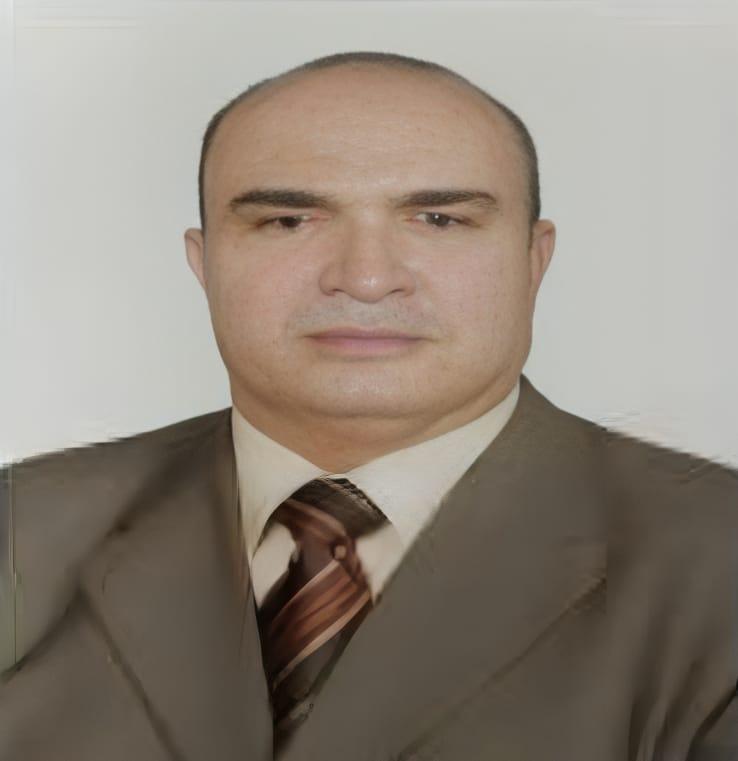
Dr. Mohamed Mohamed Oweida

Dr. Mohamed Mohamed Oweida

Dr. Mohamed Mohamed Oweida

General surgeons Damanhour 5 (10 Reviews)
Egypt's #1 Verified Directory Verified Information
Contact
Available Now
Book Appointment / Phone
Address

10 Ahmed Arabi Street, Arabi Pasha Tower, Damanhour, Beheira., , Damanhour

Follow Us
Overview

Consultant General Surgeon, Ph.D. in General Surgery

Full Name Dr. Mohamed Mohamed Oweida
City / Area Damanhour
Description

Dr. Mohamed Mohamed Oweida | Consultant General Surgeon, Ph.D. in General Surgery


Specialties and Medical Services


Dr. Mohamed Mohamed Oweida is a Consultant General Surgeon with a Ph.D. in General Surgery from the Faculty of Medicine at Al-Azhar University, Egypt. Dr. Mohamed has over 15 years of medical experience, working at Al-Mubarak Hospital in Damanhour and offering his services at his private clinic.


Sub-Specialties:

General Surgery for Adults

Abdominal Surgery

Gastrointestinal Surgery and Adult Endoscopy

Endocrine Surgery

Academic and Professional Experience:

2005: Ph.D. in General Surgery from the Faculty of Medicine, Al-Azhar University.

2005 - Present: Consultant General Surgeon at the clinic and Al-Mubarak Hospital in Damanhour.

Medical Services Provided by Dr. Mohamed Oweida:

Cancer Surgery: Stomach, liver, colon, breast, prostate, lung, bone, and brain tumors.

Gastrointestinal Surgery: Endoscopy, stomach surgery, colon surgery, and appendectomy.

Obesity and Weight Loss Surgery: Gastric sleeve, gastric bypass.

Endocrine Surgery: Thyroidectomy, adrenal gland surgery.

Trauma and Emergency Surgery: Treating trauma injuries and providing emergency surgical care.

Colon and Rectal Surgery: Hemorrhoid surgery, anal surgery, and treatment of intestinal diseases.

Clinic Details:

Consultation Price: 220 EGP.

Waiting Time: 5 minutes.

Follow-up Consultation: 110 EGP for 7 days from the date of the initial consultation.

Address: 10 Ahmed Arabi Street, Arabi Pasha Tower, Damanhour, Beheira.

Clinic Phone Number: 01012678794.

Why Choose Dr. Mohamed Mohamed Oweida?


Dr. Mohamed Oweida is one of the top professionals in general surgery, offering high-quality medical services using the latest surgical techniques. If you’re looking for a skilled general surgeon with extensive experience in treating cancer, performing endoscopy, and providing general surgery, you can rely on Dr. Mohamed to deliver the best healthcare.

FAQ

FAQ

Comprehensive and direct answers to the most frequently asked questions about available services and specialties.

Egypt's #1 Verified Directory
  • Sleeve Gastrectomy: Reduces stomach size by removing about 70-80% of it, which decreases appetite and helps with consuming smaller amounts of food. It doesn’t affect nutrient absorption and is simpler than gastric bypass, but it’s less effective in treating diabetes.

  • Gastric Bypass: Divides the stomach and connects the smaller part directly to the small intestine, which reduces both food intake and absorption. It’s very effective for treating obesity and related conditions like diabetes, but it’s more complex and may require lifelong nutritional supplements.

The choice depends on the patient’s condition, health needs, and doctor’s recommendations.

What are the risks of gastric bypass surgery?

Gastric bypass surgery is effective for treating severe obesity, but it carries some risks, including:

  1. Surgical Complications: Such as bleeding, infection, or leakage at the connection between the stomach and intestines.

  2. Vitamin and Mineral Deficiencies: The surgery reduces nutrient absorption, which may lead to deficiencies in vitamins like B12, iron, and calcium, requiring lifelong supplements.

  3. Dumping Syndrome: A condition where food moves too quickly from the stomach to the intestines, causing nausea, sweating, dizziness, and diarrhea.

  4. Intestinal Blockage: An obstruction in the intestines can occur due to surgical changes, requiring medical intervention.

  5. Increased Risk of Gallstones: Due to rapid weight loss.

  6. Long-term Side Effects: Such as stomach ulcers, low blood sugar, and chronic diarrhea.

Patients should discuss these risks with their doctor and evaluate them before deciding to proceed with the surgery.

The success rate of gastric bypass surgery is generally high, with a success rate ranging from 85% to 90%. Success is typically measured by achieving a loss of 50% or more of excess weight within the first year after surgery. Additionally, many obesity-related conditions, such as type 2 diabetes, high blood pressure, and sleep apnea, often improve or even resolve entirely following the procedure.

However, long-term success depends on the patient’s commitment to lifestyle changes, including maintaining a balanced diet, regular exercise, and ongoing medical follow-ups to monitor for potential complications.

  • Recovery is usually short, and patients can return to their normal lives within a few days.


  • Yes, laparoscopic surgeries are generally safer as they involve smaller incisions, less pain, and quicker recovery times.
  • Follow your doctor’s instructions, which may include fasting before the procedure and avoiding certain medications.


  • Yes, modern surgical techniques can provide long-lasting results, but maintaining a healthy lifestyle is essential.
  • Advanced surgical techniques and anesthesia ensure minimal pain during and after the procedure.


  • Risks are minimal with an experienced surgeon but may include infection, bleeding, or anesthesia-related complications.


Laparoscopic surgery is a medical technique that involves performing operations through very small incisions in the body using specialized tools and a camera. This approach reduces the size of the surgical wound compared to traditional surgery, which requires larger incisions.

Benefits:

Reduces post-operative pain due to smaller incisions.

Lowers the risk of infection, as the wounds are smaller and less exposed.

Speeds up wound healing, allowing patients to resume their normal activities within a short period.

Shortens hospital stays, reducing costs and enhancing the overall treatment experience.

Minimizes visible scars, providing an important cosmetic advantage.

Yes, laparoscopic techniques can be used in many cancer surgeries, especially for cancers involving the digestive system (such as colon and stomach tumors) or other internal organs.

How is it done?
Specialized tools and an advanced camera are inserted through very small incisions in the body, allowing the surgeon to precisely view and remove the tumor efficiently.

Benefits:

Reduces bleeding during surgery.

Preserves surrounding tissues as much as possible.

Speeds up patient recovery compared to traditional open surgery.

Minimizes complications such as post-operative infections or adhesions.

Enables surgeons to perform operations with high precision using advanced technology.

Limitations:
In advanced cases or when tumors are large, laparoscopic surgery may not be suitable. The appropriate method is determined based on the patient’s medical condition and tumor characteristics.

Search Directory
