

Dr. Peter Ouni Michael is a consultant in neurosurgery, spine surgery, and chronic pain management. He has extensive experience in treating spine pain and performing neurosurgeries, and he is a member of the Chronic Pain Treatment Association. He graduated from Ain Shams University in 2006 and has an excellent reputation in his field of expertise.
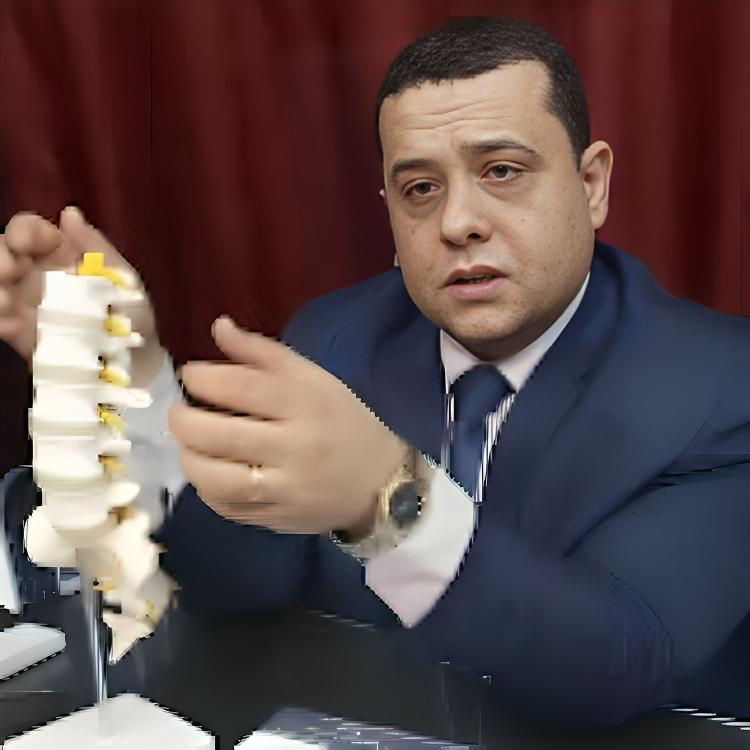
Dr. Peter Awny Mikhail
Dr. Peter Awny Mikhail | Consultant in Neurosur
Egypt's #1 Verified Directory
Verified Information
Contact
Available Now
Address
Jihad Street, Al-Tawheed Tower, in front of Al-Mustafa Complex, Tahta – Sohag, , Sohag
Location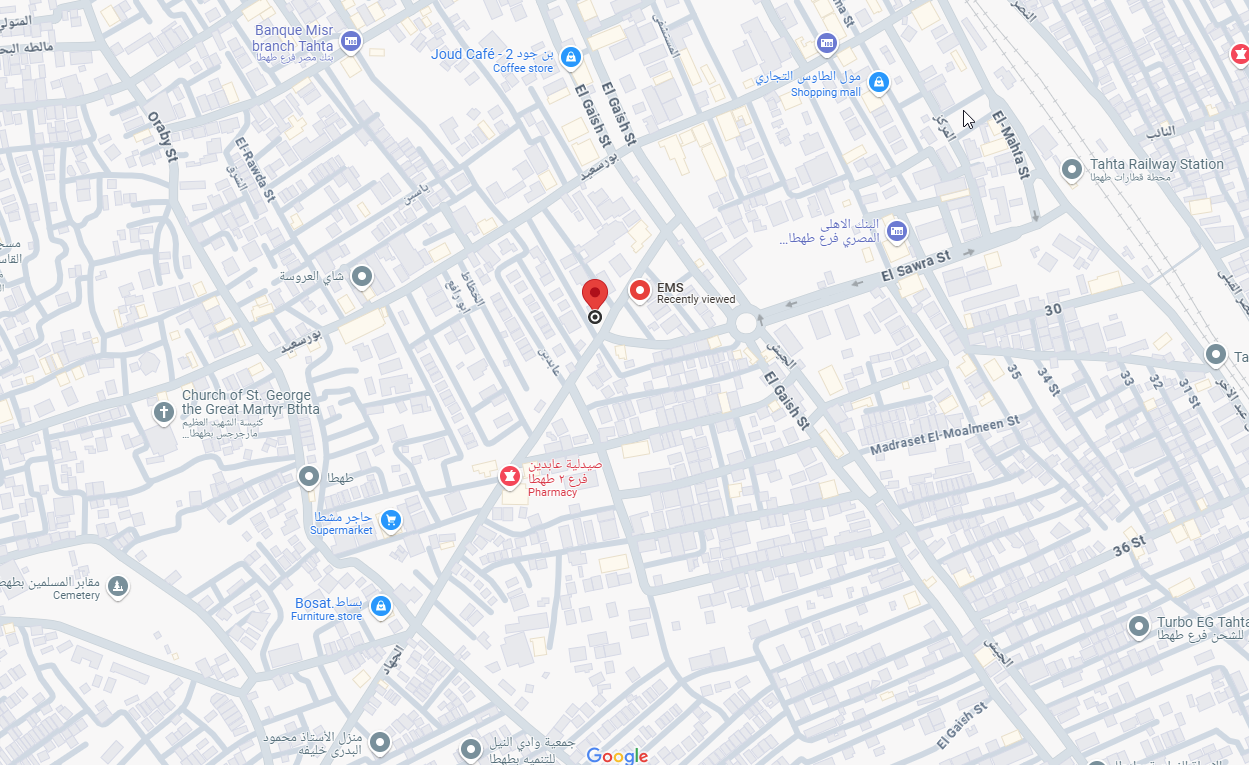
Overview
🔷 Dr. Peter Awny Mikhael | Consultant in Neurosurgery, Spine Surgery, and Chronic Pain Treatment
Full Name
Dr. Peter Awny Mikhail
City / Area
Sohag
Description
🔷 Dr. Peter Awny Mikhail | Consultant in Neurosurgery, Spine Surgery, and Chronic Pain Treatment
🔵 Comprehensive Prevention of Spine Problems and Disc Herniation
📅 Next Visit Date:
Saturday, January 25, 2025
📍 Clinic Location in Qena:
Alpha Care Clinic, in front of the General Hospital, next to Chocolatier
⏰ Qena Clinic Hours:
Every other Saturday, from 11:00 AM to 5:00 PM
✨ Live Pain-Free with Dr. Peter Awny Mikhail
✔️ Consultant in Neurosurgery and Spine Surgery
✔️ Graduated from Ain Shams University in 2006
✔️ Member of the Chronic Pain Treatment Association
✔️ Extensive Experience in Treating Spine Pain and Performing Neurosurgical Procedures
📌 Advanced Medical Services for the Following Conditions:
- Back and neck pain
- Disc herniation of the spine and neck
- Joint stiffness (knees, elbows, and bone spurs)
- Issues from failed back surgeries
- Spinal canal stenosis and vertebral dislocation
- Migraines
- Spine and neck surgeries
- Joint replacement surgeries
- Acute neuralgia
- Facial pain (trigeminal neuralgia)
- Cancer-related pain
- Osteoporosis and spinal fractures
- Pelvic pain and muscular fibrosis
🔹 Pain relief without surgery and with rapid results!
📍 Clinic Locations:
1️⃣ Tahta Clinic:
El-Jihad Street, Al-Tawhid Tower, in front of Al-Mustafa Complex, Tahta – Sohag
📞 Contact for Appointments: 01090902332
2️⃣ Sohag Clinic:
Behind Al-Hilal Hospital, above Tantawi Mall
📞 Contact for Appointments: 01150975338
3️⃣ Cairo Clinic:
Street 306, Building 1A, Saqr Quraysh, Maadi
📞 Contact for Appointments: 01150299197
💡 How to Maintain a Healthy Spine and Avoid Pain?
The spine is the body’s core support structure, and its health is essential for a pain-free, active life. Here are the top tips to prevent spine problems:
1️⃣ Maintain Proper Sitting Posture:
Ensure your back is well-supported while sitting, especially when working or driving for long periods.
2️⃣ Exercise Regularly:
Activities like swimming, walking, and yoga help strengthen back muscles and prevent injuries.
3️⃣ Avoid Lifting Objects Incorrectly:
Lift weights by bending your knees, not your back, to avoid excessive pressure on the spine.
4️⃣ Maintain a Healthy Weight:
Excess weight puts significant pressure on the spine, leading to chronic pain and disc problems.
5️⃣ Take Regular Breaks:
If you work for long hours, stand up and move around every hour to relieve back tension.
6️⃣ Consult a Doctor When Needed:
Don’t ignore persistent back or neck pain; early consultation prevents the development of chronic conditions.
With Dr. Peter Awny Mikhael, reclaim your life without pain and receive comprehensive medical care. For bookings and inquiries, call now!
News & Articles
Feb 21
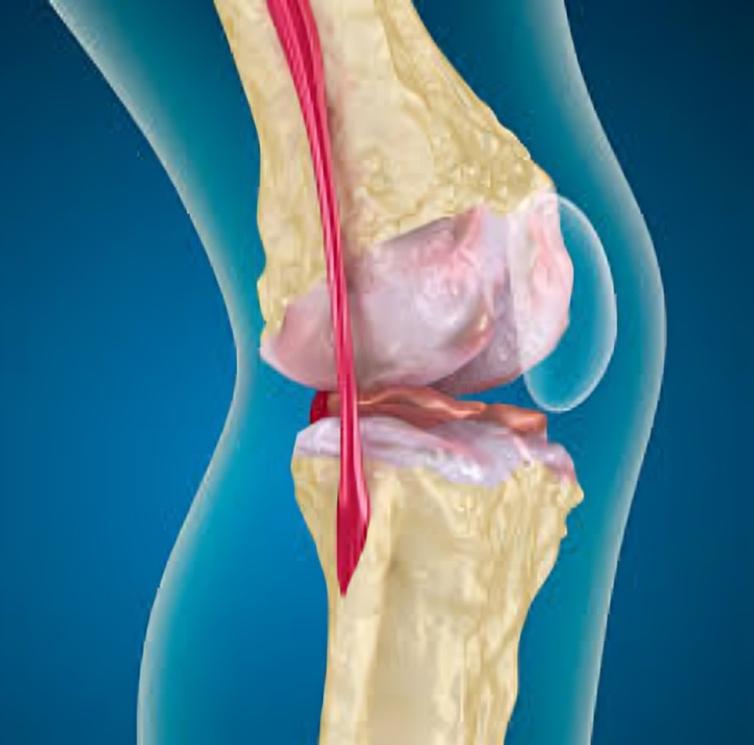
خشونة المفاصل هي حالة تحدث عندما يتآكل الغضروف المفصلي تدريجيًا، مما يؤدي إلى احتكاك العظام ببعضها البعض. عندما يتعرض الغضروف للتلف، تصبح الحركة مؤلمة وصعبة
You can contact Dr. Peter Ouni Michael by phone or by visiting his clinic, Alfa Care Clinic in Qena, located in front of the General Hospital, next to Chocolateir. You can also schedule an appointment on Saturdays every two weeks from 11:00 AM to 5:00 PM.
No. Only 10% of cases require surgery. 90% can be treated with medication, physical therapy, and instructions for maintaining spinal health.
Yes, the patient may not move their neck and it could be painless. This is discovered during the medical examination, where neck stiffness or limited movement in all directions beyond the normal range of motion is observed.
Yes, headache is one of the first and most important symptoms of most brain tumors.
A: It depends on the severity of the condition, ranging from medication to local injections, or even surgery to relieve the nerve.
Headache, and an eye fundus examination may reveal swelling around the optic nerve.
Headache, and an eye fundus examination may reveal swelling around the optic nerve.
⚠️ Be cautious, as this is often due to trigeminal neuralgia. Its symptoms can be numerous and difficult to bear, such as: 👇
💢 Electric shock-like sensations lasting from seconds to minutes, and they may recur. 💢 Difficulty chewing. 💢 Loss of taste. 💢 Facial numbness. 💢 Headaches.
Treatment options include: 👇
Medication 💊
Radiofrequency therapy ⚡
Surgical intervention 🔪
⭕ Treatment varies depending on the patient's condition and needs.
✅ Pituitary gland tumor removal surgery is a sensitive procedure due to the gland's proximity to critical nerves and tissues. While the surgery is generally safe, it does carry some potential risks:
1. Potential Risks:
⚠️ Damage to the pituitary gland: This can affect hormone production, leading to health issues such as diabetes insipidus.
⚠️ Vision problems: The nearby optic nerves may be affected during surgery.
2. Post-Surgery Follow-up:
🌱 Hormone monitoring: Hormone levels will be closely monitored after surgery.
🩺 Medical care: Regular follow-up is essential to ensure proper recovery of the pituitary gland.
🩻 Conclusion:
The surgery may pose risks if it causes damage to the gland or hormonal issues. However, with proper care and monitoring, complications can be minimized.
Symptoms of a herniated disc may include:
1️⃣ Severe pain in the back or neck
2️⃣ Numbness or weakness in the limbs (hands or legs)
3️⃣ Difficulty with movement or balance
4️⃣ Pain that worsens with movement or coughing
Treatment for migraines caused by spine problems includes:
1️⃣ Physical therapy to strengthen the neck and back muscles.
2️⃣ Medication to relieve pain and inflammation.
3️⃣ Localized injections (such as steroid injections) to reduce inflammation in the spine area.
4️⃣ Chiropractic adjustments to relieve pressure on the nerves.
Dentists
Cosmetic Doctors
Ophthalmologists
Orthopedic Doctors
Pediatricians
Neuro and spine surgery
Internal doctors
Cardiologists
Ear, nose and throat doctors
Nephrologists and urologists
Psychiatrists
Gynecologists and obstetricians
Plastic surgery doctors
Endocrinologists
Physiotherapists
Dermatologists
Gastroenterologists and Hepatologists
Hematologists and Hemato-Oncologists
Chest and respiratory doctors
Speech, voice and swallowing doctors
Gastric sleeve and gastric bypass doctors
Pancreatic surgeons
Psychiatrists who treat addiction
Doctors for chronic wounds, bed sores and diabetic foot
Nutritionists and weight loss doctors
General surgeons
Doctorate of Geriatrics
Diabetologists and endocrinologists
Allergists and immunologists
Pain medicine doctor
Pediatric Surgeons
اطفال الانابيب والعقم والجراحة بالمنظار
Veterinarians
Vascular Surgery
