
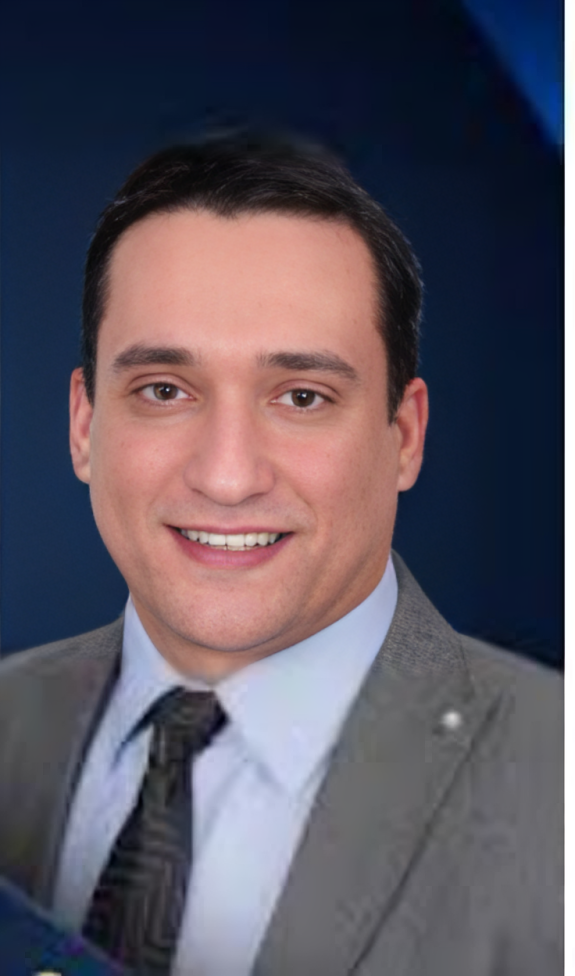
Dr. Ahmed Naji El-Ghandour
Dr. Ahmed Naji El-Ghandour
Overview
Consultant in Oral Surgery, Dental Implants, and Cosmetic Dentistry
Description
About the Doctor:
🌟 Dr. Ahmed Nagy El-Ghandour is a distinguished consultant in Oral Surgery and Dental Implantation and Aesthetics, known for offering a comprehensive range of specialized treatments for oral and dental health.
🔧 Modern Techniques: He is renowned for using the latest techniques and advanced medical methods in cosmetic dentistry, implantology, and surgery, ensuring the best level of care for his patients. He continuously updates his knowledge and utilizes the latest medical equipment to achieve optimal results.
🎯 Comprehensive Care: Dr. El-Ghandour provides holistic care for all ages, from children to adults, using innovative techniques and customized treatment solutions to achieve ideal results. His focus is not only on the medical aspects but also on offering excellent care to ensure patient comfort and trust in their treatment.
Academic Qualifications:
🎓 PhD in Oral Surgery and Dental Implantology from Suez Canal University
🎓 Master’s in Oral Surgery from Cairo University
Memberships:
🔸 Member of the American Academy of Implant Dentistry
🔸 Lecturer in Oral Surgery at Beni Suef University
🔸 Highly rated among dentists on the "Vezeeta" platform
🔸 Member of the Arab Academy of Implant Dentistry
Professional Experience:
🌟 Designing Celebrities' Smiles: Dr. El-Ghandour has designed smiles for many Arab celebrities.
🌟 Excellent reputation in the fields of cosmetic dentistry and implantology in Egypt and the Arab world.
Location:
📍 Nasr City, Cairo
📍 Doctors’ Tower, 96 Mostafa El-Nahhas St., 8th Floor
Summary:
💎 Dr. Ahmed Nagy El-Ghandour is considered one of the leading names in oral surgery and cosmetic dentistry.
🔑 With his advanced academic qualifications and extensive experience, he always strives to achieve the best results and provide high-quality medical care to his patients, making him highly trusted by many.
💬 Excellent reviews from patients and an outstanding reputation make Dr. Ahmed Nagy El-Ghandour the ideal choice for those seeking a beautiful smile and perfect oral health.

Suggested Results

⚕️ Dr. Sherif Taher Hegazy | Leading Dentist in Nasr City Root Canal Treatment, Cosmetic... Read More: Dr. Sherif Taher Hegazy

Dr. Mohamed Abdelmawgood
VerifiedDr. Mohamed Abdelmawgood – Specialist in fixed & removable...
Dr. Mohamed Abdelmawgood Specialist in Orthodontics and Jaw Alignment, as well as Dental Veneers, and Fellow of... Read More: Dr. Mohamed Abdelmawgood

Dr. Mahmoud Warrad
VerifiedDr. Mahmoud Warrad, Specialist in Orthodontics and Maxillofacial Orthopedics,...
Dr. Mahmoud Warrad 🦷 Profile Dr. Mahmoud Warrad is a Specialist in Orthodontics and Maxillofacial Orthopedics, and a... Read More: Dr. Mahmoud Warrad

Dr. Mohamed Mohsen Mohamed
VerifiedBianca Dental Clinic for Implantology and Aesthetics – Extensive...
About Dr. Mohamed Mohsen Mohamed Dr. Mohamed Mohsen Mohamed is one of the leading dentists in Egypt... Read More: Dr. Mohamed Mohsen Mohamed
Yes, a regular dental filling (such as cavity fillings) usually requires the use of local anesthesia. The anesthesia is intended to minimize pain and discomfort during the filling procedure. It is administered through an injection in the area around the treated tooth, reducing sensitivity in that area during the process. After the procedure, the effect of the anesthesia may take some time to wear off, and the patient typically feels comfortable once its effect subsides.
If you have any additional questions about procedures or types of fillings, feel free to ask!
-
Silver Fillings (Amalgam):
- Description: Made of a mixture of metals (such as silver, zinc, copper, and mercury).
- Price: Ranges between 300 to 500 EGP.
-
White Fillings (Composite):
- Description: Cosmetic fillings that match the natural color of teeth, made of composite resins.
- Price: Ranges between 500 to 800 EGP.
-
Glass Ionomer Fillings (GIC):
- Description: Made of glass powders and binding material, often used for front teeth.
- Price: Ranges between 400 to 600 EGP.
-
Ceramic Fillings (Porcelain):
- Description: Durable and aesthetic fillings, typically used for front teeth or specific cases.
- Price: Ranges between 800 to 1500 EGP.
-
Customized Fillings (Inlays/Onlays):
- Description: Specially crafted fillings tailored for the affected tooth, like treated fillings.
- Price: Can reach up to 2000 EGP or more depending on complexity.
Notes:
- Prices vary from one clinic to another based on location, reputation, and services offered.
- It is important to consult a dentist to determine the most suitable type for your case and discuss the cost accurately.
The price of a laser tooth filling in Egypt can range between 800 to 2000 EGP, depending on several factors:
- Type of filling used: Whether it is a white composite filling or another type.
- Clinic and location: Larger clinics or those with a strong reputation may charge higher prices.
- Case complexity: If the tooth requires additional procedures, such as root canal treatment, this can affect the cost.
The difference between white and black dental fillings includes several aspects, such as materials, appearance, benefits, and drawbacks. Here's a detailed comparison:
-
Materials Used:
- White Fillings (Composite): Made of composite resins that can be colored to match the natural tooth shade.
- Black Fillings (Amalgam): Composed of a mixture of metals, including silver, zinc, copper, and mercury.
-
Appearance:
- White Fillings: Aesthetic and blend with the tooth color, making them suitable for front teeth.
- Black Fillings: More noticeable with a gray or black color, often used for back teeth where visibility is minimal.
-
Durability:
- White Fillings: Durable but less resistant to pressure compared to amalgam, preferred for areas with less biting force.
- Black Fillings: Stronger and more resistant, ideal for back teeth exposed to higher chewing pressure.
-
Cost and Longevity:
- White Fillings: Generally more expensive and may require replacement more frequently if they wear out.
- Black Fillings: Cheaper and longer-lasting but may cause discoloration of adjacent teeth over time.
-
Health Factors:
- White Fillings: Mercury-free, making them a safer option for some patients.
- Black Fillings: Contain mercury, raising concerns for some, though research has shown them to be generally safe.
After a dental filling, it is recommended to wait a certain period before eating. Here are some general guidelines:
- Temporary Fillings: If the filling is temporary, it's best to wait at least one hour before eating.
- Permanent Fillings: For permanent fillings (like composite or amalgam), you can usually eat after one hour. However, it's advisable to avoid hard or sticky foods for 24 to 48 hours to ensure the filling has fully set.
- Avoid Hot or Cold Foods: After the filling, it's recommended to avoid hot or cold foods and drinks for 24 hours, as the teeth may be sensitive after the procedure.
- Wait Until Anesthesia Wears Off: If local anesthesia was used, wait until its effect has completely worn off before eating, to avoid accidentally biting your tongue or cheek.
If you have any concerns or questions about your mouth after the filling, don't hesitate to consult your dentist.
The price of a root canal filling (root canal treatment) in Egypt can range between 1000 to 3000 EGP, depending on several factors:
- Dentist's Clinic: Prices vary depending on the location and reputation of the dentist.
- Case Complexity: If additional procedures are needed, such as X-rays or the use of special materials, it may affect the cost.
- Materials Used: The materials used for root canal treatment can also influence the price.
A root canal filling (root canal treatment) is typically considered a painless procedure, especially with the use of local anesthesia. Here’s what you can expect during the process:
-
Before the Procedure:
You may feel some pain or discomfort if the tooth is inflamed or infected, but the dentist will numb the area before starting the treatment. -
During the Procedure:
With local anesthesia, you should not feel any pain during the treatment. You might experience some pressure or movement, but there should be no sharp pain. -
After the Procedure:
Once the anesthesia wears off, you may feel mild pain or sensitivity in the treated area. These symptoms are usually temporary and improve within a few days.
Your dentist may recommend pain relievers if needed after the treatment.
Post-treatment Tips:
- It’s advisable to avoid hot or cold foods for a short period after the treatment.
- Follow your dentist’s instructions for aftercare to minimize any discomfort.
If you have any concerns about potential pain or symptoms after treatment, don’t hesitate to consult your dentist.
The pain or discomfort after a root canal filling (root canal treatment) is usually temporary, but its duration varies from person to person. Here’s what to expect:
-
Duration of Pain:
- Typically: Mild pain or discomfort can last between one to three days after the procedure.
- In complex cases: The pain may last longer, especially if there is significant inflammation in the tissues surrounding the tooth.
-
Nature of Pain:
- You might experience mild pain or sensitivity when chewing food or when pressure is applied to the treated tooth.
- Some patients may feel pain when opening their mouth or when pressure is placed on the tooth.
-
Pain Relief Tips:
- Painkillers: You can use over-the-counter pain relievers like ibuprofen or acetaminophen.
- Avoidance: Avoid hot, cold, or hard foods for a period after the treatment.
If the pain persists longer than expected or worsens, it’s a good idea to contact your dentist.
