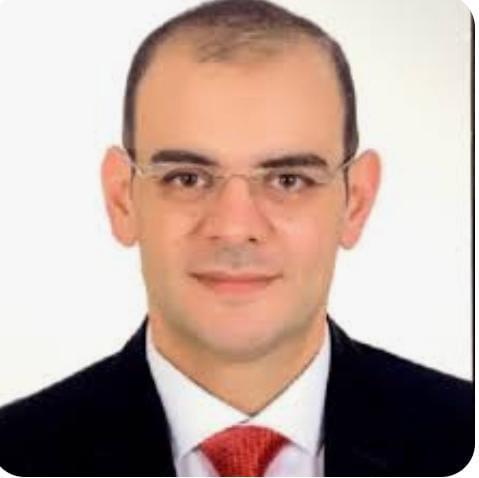
D. Muhammad Abdel Qader Murad

D. Muhammad Abdel Qader Murad

D. Muhammad Abdel Qader Murad

Hematologists and Hemato-Oncologists Cairo, Downtown
Egypt's #1 Verified Directory Verified Information
Contact
Available Now
Book Appointment / Phone
Address

35 Kasr El Aini Street, Downtown, Cairo, Downtown, Cairo

Follow Us
Overview

Consultant and Lecturer of Hematology and Internal Medicine

Full Name D. Muhammad Abdel Qader Murad
City / Area Cairo , Downtown
Description

Dr. Mohamed Abdel Kader Murad

Consultant and Lecturer of Hematology and Internal Medicine at Kasr El Ainy Faculty of Medicine

About the Doctor:

Dr. Mohamed Abdel Kader Murad is a recognized expert in the field of hematology and internal medicine, and works as a consultant and lecturer at Kasr El Ainy Faculty of Medicine. He has extensive experience in diagnosing and treating various blood disorders and immune diseases, and is known for his high efficiency in dealing with complex and critical medical cases.

Services provided:

Bone marrow transplantation: A specialized medical procedure to treat some types of cancer and blood disorders by replacing damaged bone marrow with healthy bone marrow.

Treatment of blood diseases and tumors: Dealing with cancerous and non-cancerous diseases that affect blood cells.

Immune diseases and immunodeficiency: Treating disorders that affect the immune system's ability.

Treatment of blood disorders and malignant tumors: Providing treatment for blood tumors and other tumors that require special medical intervention.

Types of hemophilia: Diagnosis and treatment of hemophilia, a blood clotting disorder.

Leukemia and lymphoma: Treatment of cancer that affects the blood and lymphatic system.

Sickle cell anemia: Treatment for anemia that affects the shape of red blood cells.

Autoimmune disorders: Treatment of conditions in which the immune system attacks the body itself.

Genetic blood disorders: Diagnosis and treatment of genetic diseases related to blood.

Bleeding disorders and red blood cell disorders: Treatment of excessive bleeding and red blood cell problems.

Clinic number: 01001310808

Address: 35 Kasr El Aini Street, Downtown, Cairo

FAQ

FAQ

Comprehensive and direct answers to the most frequently asked questions about available services and specialties.

Egypt's #1 Verified Directory

 Clinical hematological diseases are a group of disorders that affect the various components of blood, such as red blood cells, white blood cells, platelets, and hemoglobin. These diseases involve conditions that impact the body's ability to transport oxygen, coagulate, and combat infections.

Types of Clinical Hematological Diseases include:

  • Anemia: A decrease in the number of red blood cells or a deficiency in hemoglobin.
  • Leukemia: A type of cancer that affects white blood cells.
  • Hemophilia: A disorder related to impaired blood clotting.
  • Sickle Cell Anemia: A genetic disorder that affects the shape of red blood cells.
  • Thalassemia: Another genetic disorder that impacts hemoglobin production.
  • Leukocytosis: An abnormal increase in the number of white blood cells.

 Sickle cell anemia is a genetic disorder that affects the shape of red blood cells. In this condition, the red blood cells have an abnormal, sickle-like shape, which obstructs blood flow and causes blockages in blood vessels.

Symptoms:

  • Acute pain due to blocked blood vessels (sickle cell crisis).
  • Chronic fatigue.
  • Pale skin (pallor).
  • Frequent infections.
  • Delayed growth in children.

Treatment:

  • Crisis management with pain relievers.
  • Medications like hydroxyurea to improve hemoglobin production.
  • Stem cell transplantation in some cases.


Details: Anemia is a medical condition that occurs when there is a decrease in the number of red blood cells or a deficiency in hemoglobin, leading to a reduced ability of the blood to carry oxygen to tissues. There are several types of anemia, including:

  • Iron Deficiency Anemia: Occurs due to a lack of iron in the body, which is essential for the production of hemoglobin.
  • Vitamin Deficiency Anemia: A deficiency of vitamin B12 or folic acid leads to the production of abnormal red blood cells.
  • Chronic Anemia: Occurs due to a chronic disease that affects the body's ability to produce red blood cells.
  • Hemolytic Anemia: Happens when red blood cells break down faster than they can be replaced.

Symptoms:

  • Severe fatigue and weakness.
  • Pale skin.
  • Difficulty breathing.
  • Dizziness or fainting.

Treatment:

  • Taking iron or vitamin supplements (B12 or folic acid) depending on the cause.
  • Treatment of chronic conditions like kidney disease.
  • Blood transfusions in severe cases.


Hemophilia is a genetic disorder caused by a deficiency or absence of one of the clotting factors necessary for normal blood coagulation. This condition leads to prolonged or excessive bleeding after injuries or surgeries.

Types of Hemophilia:

  • Hemophilia A: Deficiency of factor VIII.
  • Hemophilia B: Deficiency of factor IX.
  • Hemophilia C: Deficiency of factor XI (less common).

Symptoms:

  • Prolonged bleeding after minor injuries.
  • Unexplained bruising.
  • Internal bleeding in joints and muscles.
  • Difficulty healing wounds.

Treatment:

  • Infusions of the missing clotting factors to replace the deficiency.
  • Preventive treatment to reduce the risk of bleeding episodes.


 Leukemia is a type of cancer that affects the white blood cells. It is divided into two main types:

  • Acute Leukemia: A rapid deterioration of the cells that requires immediate treatment.
  • Chronic Leukemia: A slow progression of the disease that can be managed for a long period.

Symptoms:

  • Unexplained weight loss.
  • Night sweats.
  • Severe fatigue and exhaustion.
  • Unexplained bleeding or bruising.

Treatment:

  • Chemotherapy: To destroy cancerous cells and prevent their spread.
  • Immunotherapy: To boost the body's immune system to fight the cancer.
  • Stem Cell Transplantation (Bone Marrow Transplant): To replace the cancerous bone marrow with healthy stem cells.


 Leukocytosis is a condition characterized by an abnormally high number of white blood cells. This can occur due to acute infections, inflammation, or in some cases, as a result of leukemia.

Causes:

  • Bacterial or viral infections: The body increases white blood cell production to fight infections.
  • Leukemia or cancerous tumors: Abnormal production of white blood cells due to cancerous growths.
  • Tissue inflammation or autoimmune diseases: Chronic inflammation or immune system dysfunction can also trigger an elevated white blood cell count.

Symptoms:

  • Fever.
  • Persistent fatigue.
  • Bone pain.
  • Swollen lymph nodes.

Treatment:

  • Infection treatment: Antibiotics or antiviral medications to address the underlying infection.
  • Cancer treatment: If leukemia is the cause, chemotherapy, radiation, or stem cell transplants may be necessary.


 Thalassemia is a genetic disorder that affects the body's ability to produce hemoglobin normally. This results in reduced hemoglobin levels in the blood and chronic anemia.

Types of Thalassemia:

  • Alpha Thalassemia: Affects the production of the alpha-globin chain of hemoglobin.
  • Beta Thalassemia: Affects the production of the beta-globin chain of hemoglobin.

Symptoms:

  • Pale skin.
  • Persistent fatigue.
  • Enlargement of the spleen and liver.
  • Growth delay in children.

Treatment:

  • Regular blood transfusions: To maintain healthy red blood cell levels.
  • Iron chelation therapy: To reduce iron buildup in the body due to frequent blood transfusions.
  • Stem cell transplantation: In severe cases, stem cell therapy may be considered.


Hemophilia is a genetic disorder that causes a lack of blood's ability to clot, leading to excessive bleeding after injuries or surgeries.


 Polycythemia occurs when there is excessive production of red blood cells, leading to increased blood viscosity. This condition can be caused by a genetic disorder (such as Polycythemia vera) or other factors like low oxygen levels or smoking.

Symptoms:

  • Headaches.
  • Dizziness.
  • Nosebleeds.
  • High blood pressure.

Treatment:

  • Phlebotomy: A procedure to remove blood, reducing red blood cell count.
  • Medications: Drugs like hydroxyurea to reduce the production of blood cells.


 Deficiencies in folate or vitamin B12 can lead to megaloblastic anemia, where the red blood cells become abnormally large and lose their ability to carry oxygen effectively.

Symptoms:

  • Severe fatigue.
  • Pallor.
  • Numbness in the limbs.
  • Balance problems.

Treatment:

  • Folate or Vitamin B12 supplements.
  • Treatment of the underlying cause of the deficiency.


  • Complete Blood Count (CBC): Measures the number of red blood cells, white blood cells, and platelets to detect abnormalities in blood cell production.
  • Liver and Kidney Function Tests: Ensure that the diseases have not affected vital organs like the liver or kidneys.
  • Coagulation Tests: Includes tests like Prothrombin Time (PT) and Activated Partial Thromboplastin Time (aPTT) to assess the blood’s ability to clot.
  • Genetic Testing: Identifies genetic mutations that may cause conditions like thalassemia or sickle cell anemia.


Search Directory