
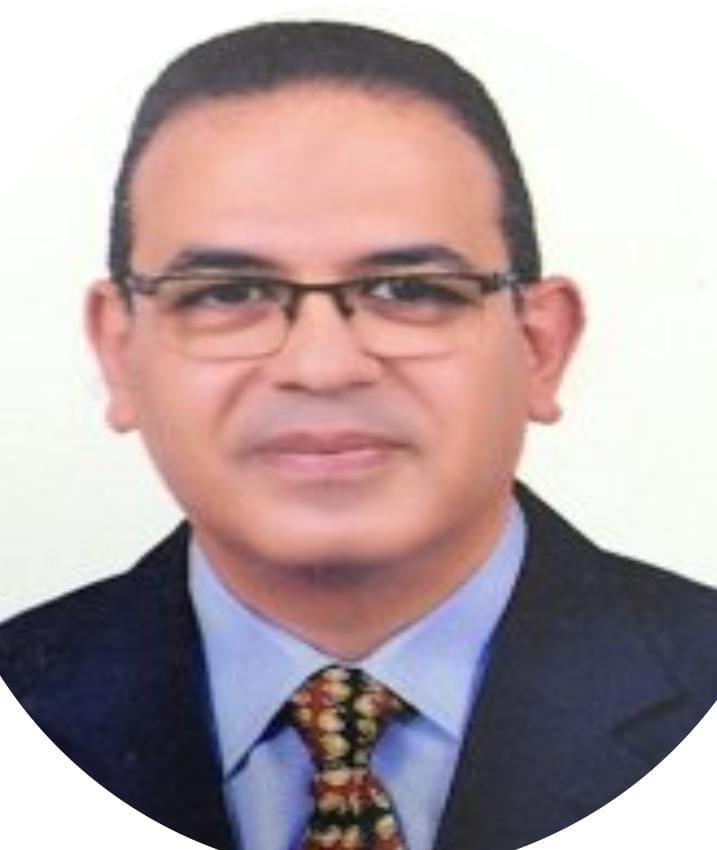
Dr. Amr Ahmed Mustafa Aziz

Dr. Amr Ahmed Mustafa Aziz

Dr. Amr Ahmed Mustafa Aziz

Pancreatic surgeons Cairo, Nasr City
Egypt's #1 Verified Directory Verified Information
Contact
Available Now
Book Appointment / Phone
Address

21 El Tayaran Street, in front of Kentucky, Nasr City, Nasr City, Cairo

Follow Us
Overview

Professor and Head of the Department of Hepatobiliary and Pancreatic Surgery

Full Name Dr. Amr Ahmed Mustafa Aziz
City / Area Cairo , Nasr City
Description

Dr. Amr Ahmed Mostafa Aziz Position: Professor and Head of the Department of Liver, Pancreatic, Biliary, and Gastrointestinal Surgery, Laparoscopic Surgery, and Liver Transplantation at the National Liver Institute, Menoufia University. ๐ŸŽ“๐Ÿฅ Fellow of the University of Tennessee, USA. ๐ŸŒ๐Ÿ‡บ๐Ÿ‡ธ

Medical Specialties: ๐Ÿฆ  Liver Surgery:

Tumor Resection

Liver Transplantation

Treatment of Chronic Liver Diseases

๐Ÿ Pancreatic Surgery:

Treatment of Pancreatic Tumors

Treatment of Inflammatory Pancreatic Diseases

๐Ÿ”ฌ Biliary Surgery:

Treatment of Biliary Obstructions

Treatment of Biliary Infections

๐Ÿ” Laparoscopic Surgery:

Diagnostic and Therapeutic Procedures via Laparoscopy to Minimize Surgical Interventions

Cosmetic Surgery: ๐Ÿ‘ฉ‍๐Ÿ”ฌ Facial Aesthetic Surgery:

Facial Contouring and Improvement through procedures such as Facelift and Wrinkle Reduction

๐Ÿ”ฅ Burns Reconstruction Surgery:

Correcting Deformities Caused by Burns

๐Ÿ‘€ Ophthalmic Cosmetic Surgery:

Improving the Appearance of the Eyes and Reducing Wrinkles around Them

โœ‹ Hand Aesthetic Surgery:

Improving the Appearance of Hands and Correcting Deformities

๐Ÿ‘ƒ Nose Aesthetic Surgery:

Correcting Nasal Defects and Enhancing Appearance

๐Ÿ‘ฉ‍๐Ÿฆฑ Breast Aesthetic Surgery:

Breast Augmentation and Reduction

Breast Reconstruction Post-Surgery

Non-Surgical Cosmetic Services: ๐Ÿ’‰ Filler and Botox Injections:

To Fill Wrinkles and Provide a More Youthful Appearance

๐Ÿฉธ Plasma and Stem Cell Injections:

For Skin Quality Improvement and Hair Loss Treatment

๐Ÿ’ก Laser Treatment:

Hair Removal

Skin Peeling

Treating Pigmentation and Stretch Marks

๐Ÿ”ฌ Mesotherapy:

Treatment for Dark Circles and Skin Rejuvenation

๐Ÿงต Thread Face and Eyelid Lift:

Lifting and Improving the Appearance of the Face and Eyelids Without Major Surgery

๐Ÿ’†‍โ™€๏ธ Chemical and Crystal Peels:

To Improve Skin Texture and Remove Pigmentation

Other Cosmetic Procedures: ๐Ÿ’ช Body Sculpting:

Using Techniques like Ultrasound Waves, Laser, and Infrared to Remove Fat and Improve Body Shape

๐Ÿ”ด Mole and Tattoo Removal:

Via Laser

๐Ÿ‘‚ Ear Augmentation and Reduction:

Using Various Cosmetic Techniques

๐ŸŒฑ Hair, Buttocks, and Breast Implants:

To Improve Appearance and Replace Lost Tissue

Address: ๐Ÿ“ 21 Airplane Street, in front of KFC, Nasr City

Clinic Phone: ๐Ÿ“ž 01147783534

FAQ

FAQ

Comprehensive and direct answers to the most frequently asked questions about available services and specialties.

Egypt's #1 Verified Directory

General surgery is a medical specialty that deals with various diseases requiring surgical intervention to repair or remove damaged tissues or organs in the body. General surgery may include surgical procedures related to the digestive system, soft tissues, endocrine glands, blood vessels, tumors, and other organs.

A general surgeon is a trained professional who performs complex surgical operations, and the patient is considered part of a therapeutic team that includes assistant doctors, nurses, anesthesiologists, and others.

General surgeons perform a variety of surgical procedures, including:

  • Gastrointestinal Surgery:

    • Appendectomy: Removal of the appendix in cases of appendicitis (inflammation of the appendix).
    • Cholecystectomy: Surgery to remove the gallbladder when gallstones cause inflammation or obstruction.
    • Gastric and Intestinal Surgery: Surgeries to treat ulcers, cancers, intestinal infections, or bowel obstructions.
  • Endocrine Surgery:

    • Thyroidectomy: Removal of part or the entire thyroid gland in cases of cancer or gland enlargement.
    • Adrenalectomy: Removal of adrenal glands to treat tumors or manage high blood pressure related to the glands.
  • Vascular Surgery:

    • Aneurysm Repair: Surgical procedure to repair dilated blood vessels that may burst.
    • Removal of Tumors Affecting Blood Vessels: Such as vascular tumors that impact blood circulation.
  • Soft Tissue Surgery:

    • Removal of Benign and Malignant Tumors: In the skin, muscles, fat, or other tissues.
    • Wound Repair: Treatment of injuries from accidents or burns.

The tumors that may require surgery vary depending on the type of tumor and its stage of spread:

  • Breast Tumors: Mastectomy or removal of superficial tumors is common in cases of breast cancer. Sometimes, lymph nodes in the armpit are also removed to check for the spread of cancer.

  • Colon and Rectal Cancer: Surgery to remove part of the intestine or colon when the tumors cause blockages or bleeding.

  • Skin Cancer: Surgical removal of skin tumors such as basal cell carcinoma or squamous cell carcinoma.

  • Liver Cancer: In some cases, surgery is necessary to remove liver tumors, especially if they are discovered early.

Surgical endoscopes enable surgeons to perform precise operations with minimal intervention. Endoscopes are used for examinations or surgeries with the assistance of a camera and thin instruments inserted through small incisions, which reduces recovery time and postoperative pain.

  • Laparoscopy: Used in abdominal surgeries such as appendectomy, cholecystectomy (gallbladder removal), or tumor removal.

  • Colonoscopy: Used to explore the colon and rectum and diagnose benign tumors or cancer.

  • Thoracoscopy: Used to examine the lungs or diagnose tumors in the chest.

Surgical endoscopy is considered a revolution in medicine, offering numerous benefits compared to traditional surgery:

  • Less Pain: Due to the smaller incisions used, patients experience less pain after the procedure.
  • Faster Recovery: The recovery period after surgery is significantly shorter compared to traditional surgery.
  • Reduced Complications: With smaller incisions, there is a lower risk of infection or bleeding.
  • Greater Precision: The endoscope allows the surgeon to have a better view of the organs, leading to more accurate procedures.

Many tumors do not require direct surgery and can be treated through other methods depending on the type and location of the tumor:

  • Chemotherapy: Used for malignant tumors that have spread or those that cannot be surgically removed.
  • Radiation Therapy: Used for tumors located in areas that are difficult to reach surgically.
  • Immunotherapy: A modern option for certain types of cancer, where drugs are used to boost the immune system to attack cancer cells.
  • Early Diagnosis of the Tumor: Tumors detected at an early stage are often more amenable to complete surgical removal.
  • Presence of Severe or Life-Threatening Symptoms: Such as bowel obstruction due to a bowel tumor or uncontrolled bleeding.
  • Improving Quality of Life: In some cases, surgery may be required to alleviate pain or improve function, such as removing tumors that are causing pressure on organs.

Minimally invasive surgery uses advanced techniques to reduce pain and recovery time, with surgical endoscopy being one of the key methods. These may include:

  • Partial Resection: Removal of part of the tumor instead of removing the entire organ.
  • Laser Surgery: Laser is used to destroy small tumors.
  • Endoscopic Resection: Used in cases where tumors need to be removed using precise instruments through an endoscope.

Endoscopy is used in colon and rectal surgery to examine benign or malignant tumors in the large intestine. The surgeon can remove tumors during the examination using the endoscope, and it is also useful for examining patients suspected of having early-stage colon cancer.

Advantages:

  • Removal of Benign Tumors: Benign tumors can be removed before they progress into cancer.
  • Early Detection: Colon cancer or tumors can be detected in its early stages using endoscopy.

Although surgical endoscopy is minimally invasive, there are still risks associated with it:

  • Infection: All surgeries carry a risk of infection, although endoscopic procedures reduce this risk.
  • Bleeding: Bleeding may occur during the procedure or after surgery, especially in major surgeries.
  • Damage to Surrounding Organs: In rare cases, the surgeon may inadvertently damage nearby organs during surgery.
Search Directory
