 Religious News

Charity in Islam is not limited to money; every beneficial act or kind word counts. Here are six examples of actions the poor can do without money to earn great rewards

Dar Al-Ifta explains that praying for harm or illness upon someone who causes harm is not permitted in Islam, recommending responding with good and praying for guidance, with recourse to legal measures if necessary.
Evening remembrances protect the believer from harm, provide tranquility, and are among the most beloved acts to Allah, with the promise of forgiveness for those who persist
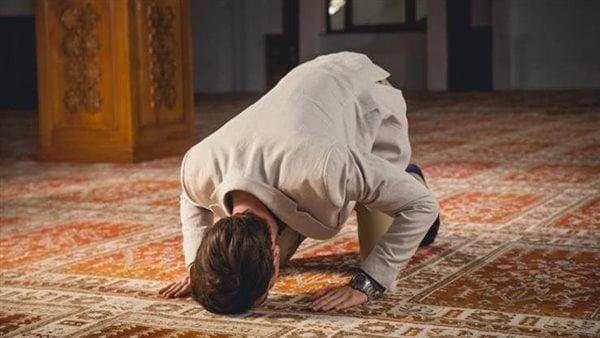
Al-Azhar clarifies the conditions for valid prayer and rules on following an imam through modern media, including cases where women may pray at home following the imam.
Repentance is always open to believers, and sincere prayers reflect remorse and returning to God, with the promise of forgiveness and mercy for those who persist in remembering Him.
Discover the most virtuous supplications and dhikr loved by Allah, bringing peace to the heart, lifting worries, and including tasbih, istighfar, and prophetic guidance.
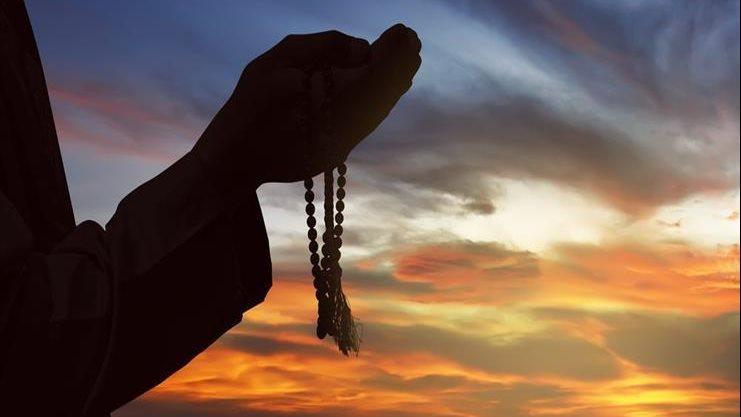
Utilize your evenings in remembrance of God for protection from harm. Evening supplications provide spiritual tranquility and are among the deeds most beloved to Allah.

Quranic supplications are more than recited words; they serve to draw closer to Allah, bring peace and tranquility to the heart, and strengthen spiritual faith.
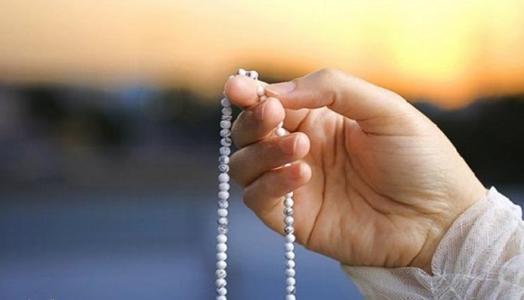
The post-prayer supplications fill the soul with peace and light, extending the bond between the servant and his Lord even after completing the bowing and prostration, bringing calmness and serenity to the heart.

Each morning, the soul rises with the remembrance of Allah, as light shines within the heart just as dawn breaks across the sky, filling the day with peace and blessings.

The complete bedtime supplications as taught by the Prophet ﷺ — a spiritual shield before sleep that fills the heart with calm and grants the soul peace through the remembrance of Allah.
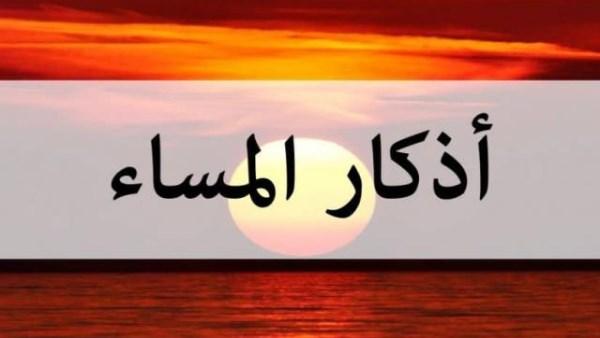
A full collection of evening supplications (Adhkar) from the Sunnah of the Prophet ﷺ, recited after Asr until sunset for protection, peace, and blessings. Includes Ayat Al-Kursi, the last three Surahs, and the Master of Forgiveness.
