 Religious News
A collection of traditional morning remembrances (Ayat al-Kursi, Al-Ikhlas and the Mu'awwidhatayn, supplications of forgiveness, praise and prayers), recommended after Fajr until sunrise; they comfort the heart, guard the day, and bathe the soul in gentle peace.
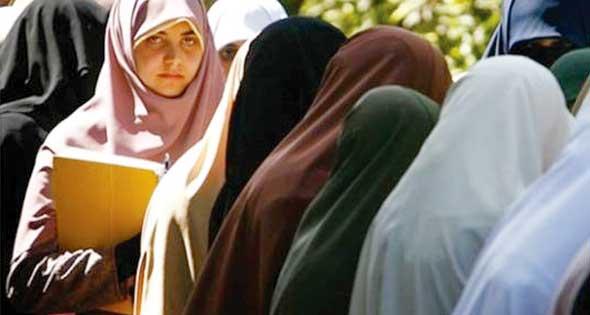
Dr. Nazir Ayyad, Egypt’s Grand Mufti, issued a detailed statement clarifying that a woman’s prayer while wearing the niqab is valid according to Islamic law but disliked unless there is a valid reason, as it prevents full prostration as taught by the Prophet ﷺ.

The dua of Surah Al-Baqarah is one of the most searched supplications due to the great virtues of this powerful chapter of the Quran. It brings blessings, healing, protection, and peace to those who recite it regularly.

Egypt’s Dar Al-Ifta warns against unjustified divorce, emphasizing that it is among the most disliked lawful acts in Islam and should occur only when necessary.

Dar Al-Ifta has affirmed that writing Qur’anic verses on the ground for memorization and learning is permissible in cases of necessity, provided that the place remains pure, protected, and treated with full respect. The goal is to facilitate Qur’an education where teaching tools are unavailable.

This report highlights key Islamic fatwas regarding sensitive issues such as fetal death, leaving the residence during the waiting period, and how a patient with a urinary catheter can purify for prayer, as explained by Egypt’s Dar Al-Ifta.

Grand Imam of Al-Azhar, Dr. Ahmed Al-Tayeb, expressed heartfelt condolences to Qatar’s Emir, government, and people following the death of several Amiri Diwan members in a tragic traffic accident in Sharm El-Sheikh.

Al-Azhar Fatwa Department clarifies the status of a fetus that dies in the womb, whether it can intercede for its parents, and the position of an infant who dies after birth and their reward in Paradise.

Fear is a natural human emotion in difficult situations, and the Prophet Muhammad (peace be upon him) taught prayers that protect the heart and keep harm away, serving as a true refuge for every believer.

Evening remembrances are daily Sunnah practices encouraged in Islam, including Ayat al-Kursi, Surahs Al-Ikhlas, Al-Falaq, and An-Nas, along with supplications for protection, blessings, forgiveness, and tranquility before sleep.

The Egyptian Fatwa Authority clarifies that the lack of blessing in wealth is not necessarily a sign of God’s anger, pointing to spiritual and moral causes such as sins, neglecting kinship, and weak reliance on God.

Al-Azhar’s Global Fatwa Center explained that a paternal uncle in Islam is like a father — a guardian, protector, and source of compassion — whose duties and rights strengthen family bonds and preserve mercy within kinship.
