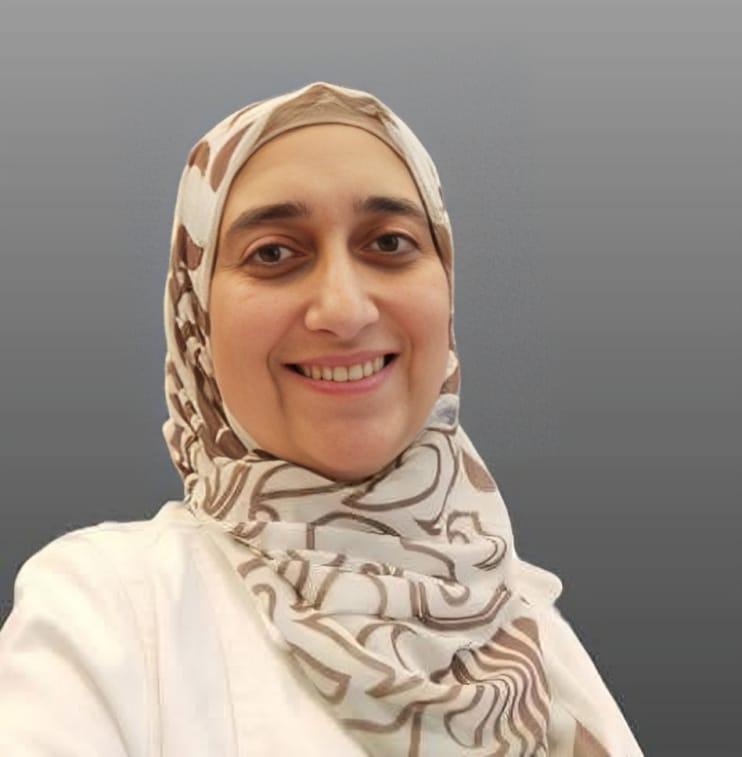
Dr. Asmaa Al-Satouhi

Dr. Asmaa Al-Satouhi

Dr. Asmaa Al-Satouhi

Speech, voice and swallowing doctors Cairo, Tagamoaa Khames 5 (10 Reviews)
Egypt's #1 Verified Directory Verified Information
Contact
Available Now
Book Appointment / Phone
Address

Family Gathering 3, South Investors Area, Tagamoaa Khames, Cairo

Follow Us
Overview

Speech and Language Pathologist and Rehabilitation Specialist

Full Name Dr. Asmaa Al-Satouhi
City / Area Cairo , Tagamoaa Khames
Description


Dr. Asmaa Al-Satouhi - Speech and Language Pathologist and Rehabilitation Specialist


Dr. Asmaa Al-Satouhi is a certified specialist in speech and language disorders with extensive experience in treating and developing communication skills for both children and adults. She holds a PhD in speech and language disorders and has distinguished academic and practical experience in the fields of special education and language rehabilitation.


Education and Academic Experience:


PhD in Speech and Language Disorders

Master’s in Public Health from the Faculty of Medicine, Ain Shams University (2007)

Services Provided:


Dr. Asmaa Al-Satouhi offers a wide range of therapeutic services in the field of speech and language:


Children’s Speech and Language:


Treatment of speech delays and articulation disorders in children.

Language rehabilitation for children with special needs, including those with autism spectrum disorder.

Adult Speech and Language:


Treatment of speech disorders resulting from brain injuries or other health issues.

Autism Rehabilitation:


Specialized programs to improve communication and language skills for children with autism.

Behavior Modification:


Therapeutic strategies to modify behaviors in both children and adults, helping them develop more positive behaviors.

Skill Development:


Enhancing communication and language skills for both children and adults.

IQ Testing:


Conducting intelligence tests to assess individual levels and identify special needs.

Learning Disabilities:


Treatment of learning disabilities through advanced therapeutic methods to support children and adults in overcoming academic challenges.

Daycare Services:


Daycare services for children with therapeutic programs to develop language and social skills.

Location and Pricing:


Location: Family Gathering 3, South Investors Area

Consultation Price: 400 EGP

Free Consultation: 7 days from the date of the consultation

Contact Information:


To schedule a consultation or learn more about the services provided, you can contact the following number:


01040274601


Center Address: Family Gathering 3, South Investors Area

Consultation Fee: 400 EGP

Free Consultation Duration: 7 days from the consultation date


If you are looking for specialized treatment in speech and language disorders or need advice on language rehabilitation, Dr. Asmaa Al-Satouhi is the ideal choice for comprehensive and professional care.

FAQ

FAQ

Comprehensive and direct answers to the most frequently asked questions about available services and specialties.

Egypt's #1 Verified Directory

Speech therapy is a branch of medicine and therapy that specializes in diagnosing and treating disorders affecting speech, language, voice, and swallowing. This specialty focuses on improving patients' ability to communicate effectively and ensures that respiratory and swallowing functions are operating properly.

Specialties included in speech therapy:

  • Speech and articulation: Involves diagnosing and treating speech issues such as stuttering or speech difficulties.
  • Language: Includes difficulties with comprehension or expression of language, which may cause communication problems in daily life.
  • Voice: Deals with voice disorders such as hoarseness, roughness, or voice loss.
  • Swallowing: Focuses on treating swallowing difficulties, known as dysphagia, which may pose risks when eating or drinking.


Voice disorders are problems that occur when a person faces difficulty in using or controlling their voice normally. These disorders can affect the quality, pitch, or endurance of the voice over time.

Types of Voice Disorders:

  • Hoarseness: This occurs when the voice becomes rough, weak, or strained due to inflammation or irritation of the larynx or vocal cords.
  • Roughness: The voice sounds unclear or harsh, typically caused by abnormalities in the vocal cords.
  • Voice Loss: This occurs when an individual is unable to produce any sound due to issues with the vocal cords.

Common Causes:

  • Laryngitis (inflammation of the larynx).
  • Chronic vocal strain.
  • Presence of nodules or tumors on the vocal cords.
  • Pollution and smoking.
  • Psychological issues such as stress or anxiety.


Voice disorders can occur due to a variety of factors that can affect the vocal cords or the muscles controlling the voice. The main causes include:

  • Vocal Strain: Speaking loudly for extended periods or talking without rest.
  • Infections or Inflammations: Such as laryngitis or sinus infections.
  • Tumors or Growths on the Vocal Cords: These may lead to hoarseness or voice loss.
  • Smoking: Smoking can damage the vocal cords and cause permanent changes in the voice.
  • Psychological Factors: Conditions like anxiety or stress can lead to muscle spasms in the larynx, resulting in hoarseness.


The treatment for hoarseness depends on the underlying cause. Possible treatments include:

  • Vocal Rest: Reducing the use of the voice for a certain period to allow the vocal cords to heal.
  • Medications: Such as drugs to treat laryngeal inflammation or excess acid that may affect the voice.
  • Voice Therapy: Using specialized techniques to train the person on how to improve the way they use their voice and avoid straining the vocal cords.
  • Surgery: In severe cases, surgery may be needed to remove tumors or benign growths that may be affecting the voice.
 

Dysphagia is a condition that affects a person's ability to swallow food or liquids easily. It can result in difficulty or pain when swallowing, or even an inability to swallow completely.

Types of Dysphagia:

  • Oral Dysphagia: Difficulty in moving food from the mouth to the throat.
  • Pharyngeal Dysphagia: Difficulty in moving food from the throat to the esophagus.
  • Esophageal Dysphagia: Occurs when food does not pass from the esophagus to the stomach properly.

Causes:

  • Neurological diseases such as stroke or Parkinson's disease.
  • Infections in the throat or gastroesophageal reflux disease (GERD).
  • Tumors in the mouth, throat, or esophagus.


Swallowing disorders can be caused by various factors, including:

  • Neurological Issues: Conditions such as stroke, Parkinson's disease, or multiple sclerosis can affect the nerves that control the swallowing muscles.
  • Infections or Inflammations: Throat infections or esophageal inflammations can obstruct the passage of food.
  • Tumors: Tumors in the throat or esophagus may block or narrow the digestive tract.
  • Smoking or Alcohol Consumption: These can affect the swallowing process by causing swelling or dryness in the throat.


The treatment for swallowing disorders depends on the underlying cause. Treatment options include:

  • Speech Therapy: A therapist teaches the patient techniques to improve swallowing, such as strengthening the muscles involved in swallowing or using techniques to make swallowing easier.
  • Medication: Drugs may be prescribed to treat conditions like gastroesophageal reflux disease (GERD) or infections.
  • Dietary Modifications: Adjusting the diet to avoid foods that may cause difficulty swallowing, such as solid or dry foods.
  • Surgery: Surgical intervention may be necessary to remove tumors or to dilate the esophagus if there is a narrowing.


A laryngoscopy is a medical procedure used to examine the larynx (voice box) and vocal cords. It involves a small camera that helps diagnose conditions such as laryngitis, tumors, and voice disorders. The laryngoscope is inserted through the mouth or nose.


A laryngoscopy is usually performed under local anesthesia. A flexible tube is inserted through the mouth or nose into the larynx, allowing the doctor to examine the vocal cords and surrounding areas using a camera. If necessary, samples or biopsies may be taken. The procedure typically takes only a few minutes, and patients usually experience mild discomfort afterward.


Yes, speech therapy can be effective in treating voice disorders. It includes:

  • Voice training: Teaching techniques to reduce vocal strain and maintain healthy voice production.
  • Breathing techniques: Instructing the patient on proper breathing to support the voice and reduce fatigue.
  • Vocal rest: Guiding the patient to take breaks from speaking when necessary.
  • Voice exercises: Techniques to improve vocal strength and maintain proper vocal function.

A speech-language pathologist can help significantly improve speaking ability and voice quality after therapy.


Search Directory
