
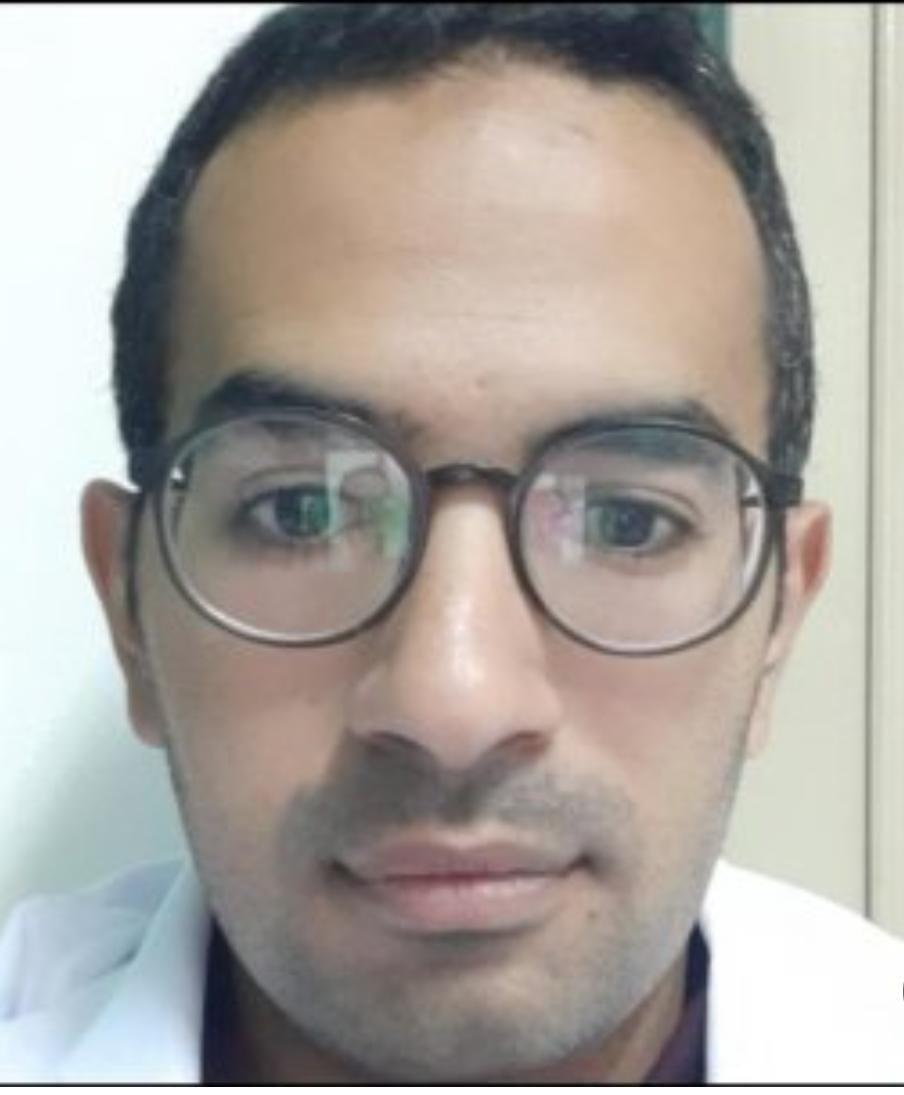
Dr. Ahmed Mohamed Zaki
Dr. Ahmed Mohamed Zaki
Contact
Available Now2/2 Zahraa El Maadi Main Street Nerco Buildings, Maadi, Cairo
Overview
Orthopedic, joint and arthroscopic surgeon
Description
Dr. Ahmed Mohamed Zaki
Specialization:
Orthopedic, Joint and Endoscopic Surgeon.
Faculty Member:
Kasr El Ainy Medicine.
Clinics:
Wellness Clinic.
Appointments:
Monday: 9:30 PM - 11 PM
Tuesday: 9:30 PM - 11 PM
Wednesday: 9:30 PM - 11 PM
Services Provided:
Orthopedic Surgery:
Adults: Treatment of all bone problems such as fractures, sports injuries, and joint pain.
Children: Treatment of bone deformities such as bow legs, and treatment of fractures.
Diagnosis and treatment of deformities:
Congenital or acquired bone deformities.
Orthopedic deformities correction for children.
Advanced Surgery:
Spine Surgery: Treatment of disc, slipped vertebrae, and surgery to correct deformities.
Peripheral Nerve Surgery: Treatment of neuropathy resulting from injuries or diseases.
Specialized procedures:
Joint replacement: artificial joints for knees, hips, etc.
Resurfacing of the hip joint.
Hand and foot surgery: treatment of deformities and injuries.
Arthroscopy:
A precise surgical procedure to diagnose and treat joint problems such as cartilage, injuries, and arthritis.
Treatment of sports injuries:
Sports injuries, cruciate ligament treatment, and fracture treatment.
Modern techniques:
Bone stem cells: to treat bone injuries and regeneration.
Plasma therapy: used for tendonitis and rapid recovery.
Heat therapy to improve blood circulation and relieve pain.
Motor rehabilitation:
Specialized rehabilitation programs for injuries.
Motor rehabilitation sessions for children.
Motor rehabilitation at home to help patients recover.
Address:
2/2 Zahraa El Maadi Main Street
Nerco Buildings
5th Section of Degla
Contact Numbers:
Mobile: 01559697707
Mobile: 01095983848
Landline: 0225191000
Academic Qualifications:
Master of Orthopedic, Joint and Arthroscopic Surgery.
Faculty member at Cairo University, where he participates in the education and training of new doctors.
If you need more information or to make an appointment, please contact the clinic directly.

Bone pain can result from several causes, including:
- Injuries such as fractures or contusions.
- Osteoporosis or vitamin D deficiency.
- Arthritis or bone infections.
- Overexertion or intense physical activities.
- Other diseases such as tumors or infections.
Orthopedic surgery is a medical procedure used to fix fractures and injuries affecting bones and joints. This surgery helps in realigning the bones or replacing damaged joints, which aids in restoring mobility and relieving pain.
The ACL is one of the ligaments in the knee that helps stabilize the joint. If torn due to a sports injury, it can be treated through knee arthroscopy, where the arthroscope is used to repair the damaged ligament without fully opening the knee.
When a bone fractures, it is realigned into its proper position using surgery or a cast, depending on the type of fracture. If the fracture is complex, screws or plates may be used to stabilize the bone until it heals. After surgery, physical therapy is followed to rehabilitate the bones and joints.
Arthritis is a condition that causes swelling and pain in the joints and can be due to cartilage damage. If the condition is severe, it may be treated by replacing the damaged joint with a prosthetic device, such as in knee or hip replacement surgery.
A torn knee cartilage can happen due to an injury or sudden movement. If the tear is significant, it is treated with knee arthroscopy, where the damaged parts of the cartilage are removed using precise techniques without the need for a large incision.
Spinal surgery is used to fix vertebral or intervertebral disc problems that may cause back pain. If there is a herniated disc or spinal stenosis, treatment may involve removing the damaged part of the disc or bone, helping relieve pain.
A shoulder sprain can occur due to a sudden movement or heavy lifting. In some cases, shoulder arthroscopy may be needed to repair damaged tendons or ligaments. This is done through a small incision using precise tools to fix the shoulder without the need for major surgery.
Joint replacement surgery is needed when a joint becomes too damaged due to conditions like arthritis or osteoarthritis. In this surgery, the damaged joint is removed and replaced with a prosthetic joint to improve movement and reduce pain.
Sports injuries include ligament tears or muscle injuries. Orthopedic surgery is used to fix these injuries using techniques like arthroscopy to repair ligaments or damaged tissues, helping athletes return quickly to their activities.
Bone lengthening surgery is used to treat shortened limbs or bone deformities. In this surgery, a part of the bone is gradually separated using a special device to lengthen the bone until it reaches the desired length.
Knee pain can occur due to several factors, such as injuries (like sprains or ligament tears), arthritis (such as osteoarthritis), or excess weight, which places additional pressure on the joint. Sports activities or repetitive movements can also contribute to pain.
Treatment depends on the cause: if the injury is mild, rest and physical therapy may be sufficient to alleviate the pain. Cold or hot compresses can help reduce swelling, and if inflammation is present, the doctor may recommend pain-relieving or anti-inflammatory medications. In more severe cases, surgery or joint injections may be required.
