
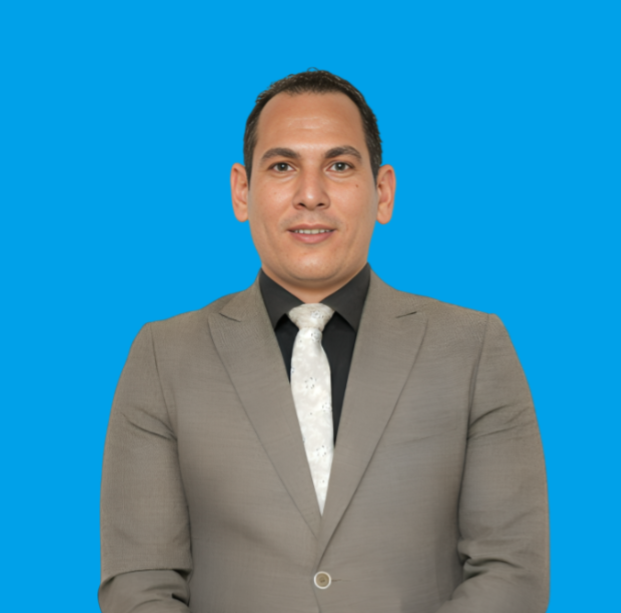
Dr. Salah Al-Sanousi
Dr. Salah Al-Sanousi
Contact
Available NowAssiut – Extension of Yousry Ragab Street (International Commercial Center Tower – 5th Floor – Apartment 609 – Opposite Al-Nahil Restaurant)., , Assiut
Location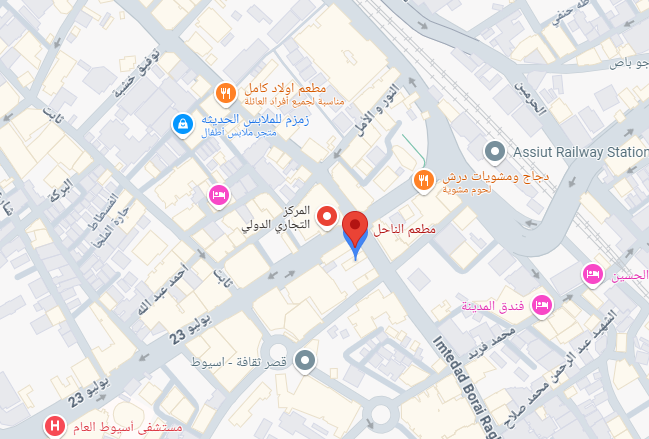
Overview
Consultant Spine & Orthopedic Surgeon | Decades of Expertise in Advanced Care
Description
✨ Dr. Salah El-Senoussi’✨
Consultant Spine & Orthopedic Surgeon | Decades of Expertise in Advanced Care
🌍 Overview
Dr. Salah El-Senoussi is one of Egypt’s most prominent names in spine and orthopedic surgery, renowned for his distinguished academic and clinical career. Known for his precision in complex surgeries and commitment to applying cutting-edge global techniques, particularly in Minimally Invasive Surgery (MIS).
🎓 Academic Qualifications
Bachelor of Medicine and Surgery – A prestigious Egyptian university.
Master’s in Orthopedic and Spine Surgery – Assiut University.
Ph.D. in Spinal Deformities (for children and adults) – Cairo University.
🏥 Specializations & Expertise
Spinal Deformity Surgeries (scoliosis, kyphosis, etc.) for all age groups.
Endoscopic and Minimally Invasive Surgeries for herniated discs and spinal stenosis.
Complex Fracture Corrections and spinal implants using modern techniques.
Management of osteoporosis and arthritis related to spinal conditions.
🌐 International Memberships
Member of the Swiss Spine Society.
Participant in international conferences such as EuroSpine and NASS.
👨🏫 Academic Contributions
Faculty member at the College of Medicine – Al-Azhar University (Assiut Branch).
Supervision of scientific research and training resident doctors in advanced surgical techniques.
Development of specialized curricula in orthopedic and spine surgery.
🔬 International Training
Specialized training under leading surgeons in Europe and the United States.
Implementation of safe surgical practices and post-operative care aligned with global standards.
📍 Clinic Address
🏢 Assiut – Extension of Yousry Ragab Street
(International Commercial Center Tower – 5th Floor – Apartment 609 – Opposite Al-Nahil Restaurant).
📞 Contact Dr. Salah
☎️ Appointments & Inquiries: 01070012306
🆘 Emergency (24/7): 01033373993
🌟 Future Vision
Developing non-surgical intervention programs for spinal conditions.
Leading awareness campaigns on spinal health and deformity prevention.
Enhancing collaboration with global research centers for knowledge exchange.
“The spine is the foundation of movement… its health is the foundation of life!”
Dr. Salah El-Senoussi – Where medical excellence meets humanity.

News & Articles
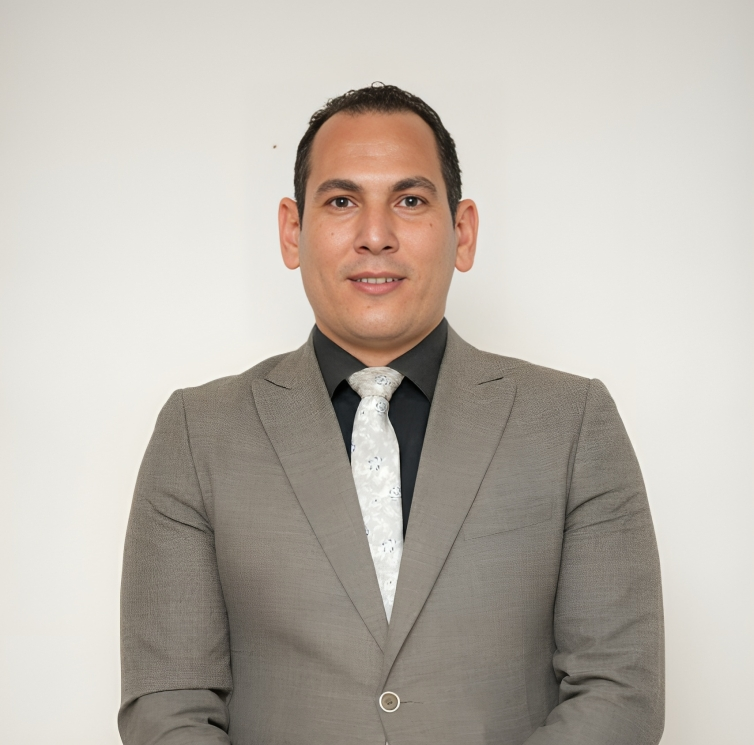
Dr. Salah El-Senousi, spine surgery consultant, specializes in spinal deformities and minimally invasive surgical techniques.
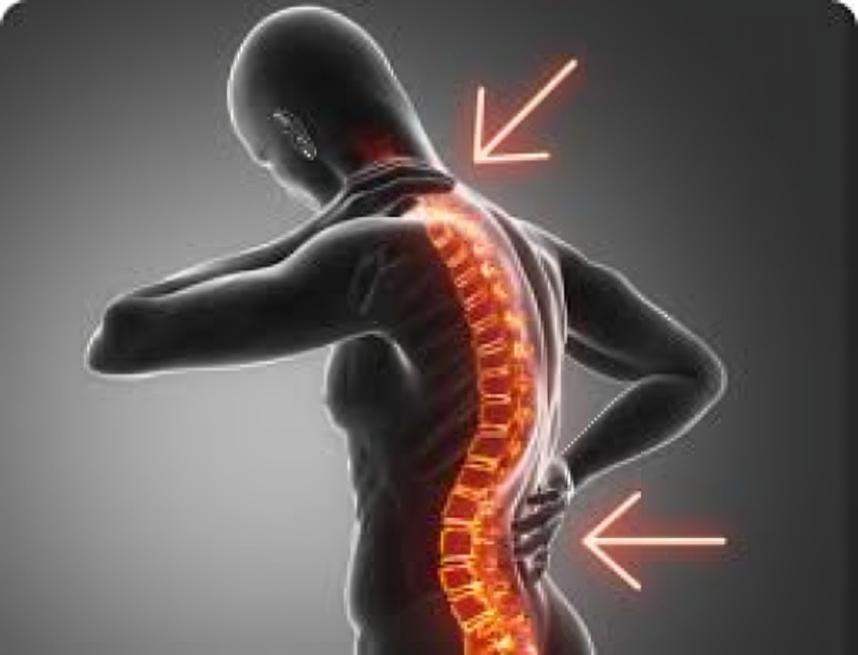
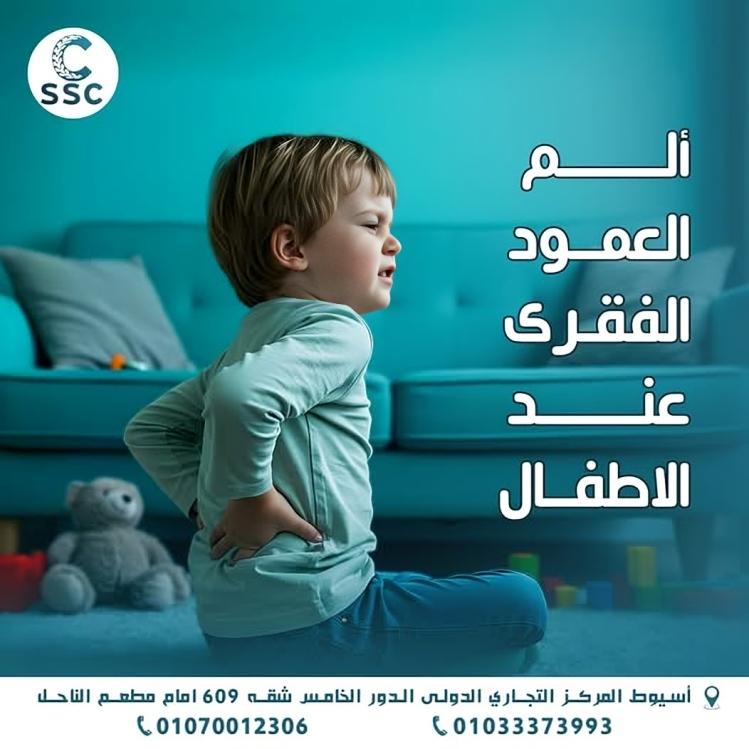
جراحات العمود الفقري – معالجة التشوهات والتحديات الفقرية
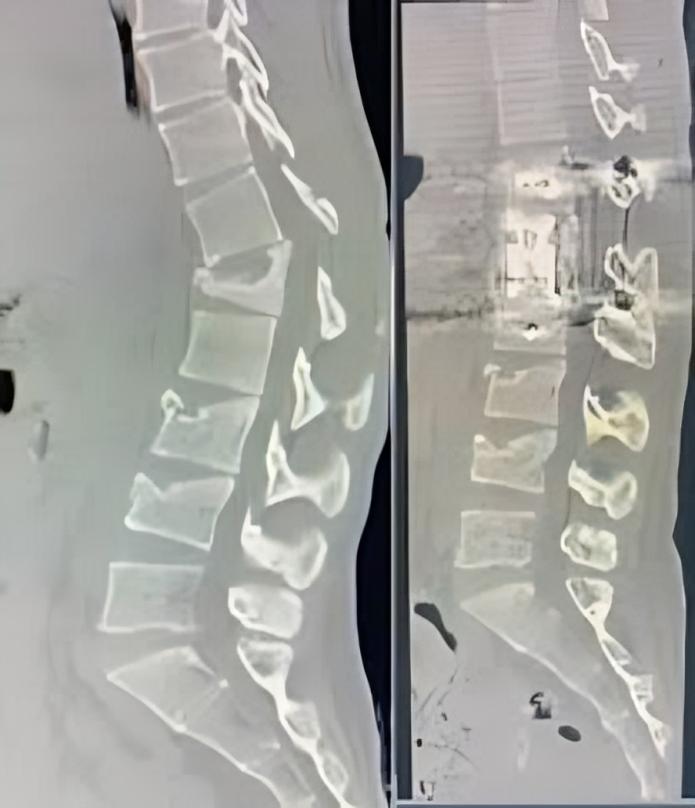
في عالم جراحة العظام، يعتبر تركيب الدعامات و تصحيح الكسور المعقدة من أبرز التحديات التي يواجهها الأطباء المتخصصون في هذا المجال. تطور التقنيات الطبية الحديثة قد ساهم بشكل كبير في تحسين عمليات العلاج وزيادة فرص الشفاء
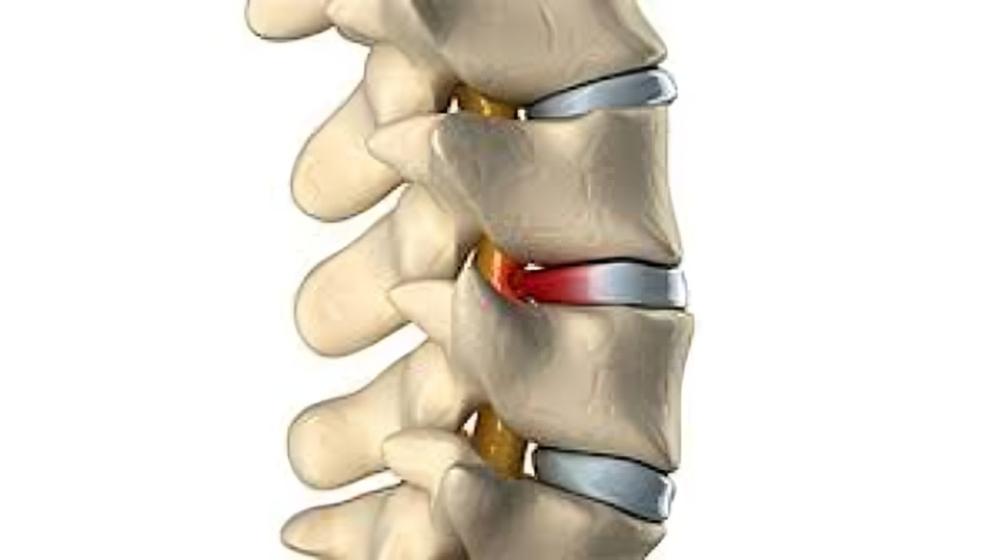
يعد الانزلاق الغضروفي من أكثر الأمراض شيوعًا التي تصيب العمود الفقري، وهو حالة تحدث عندما يتحرك الغضروف الذي يفصل بين فقرات العمود الفقري من مكانه الطبيعي
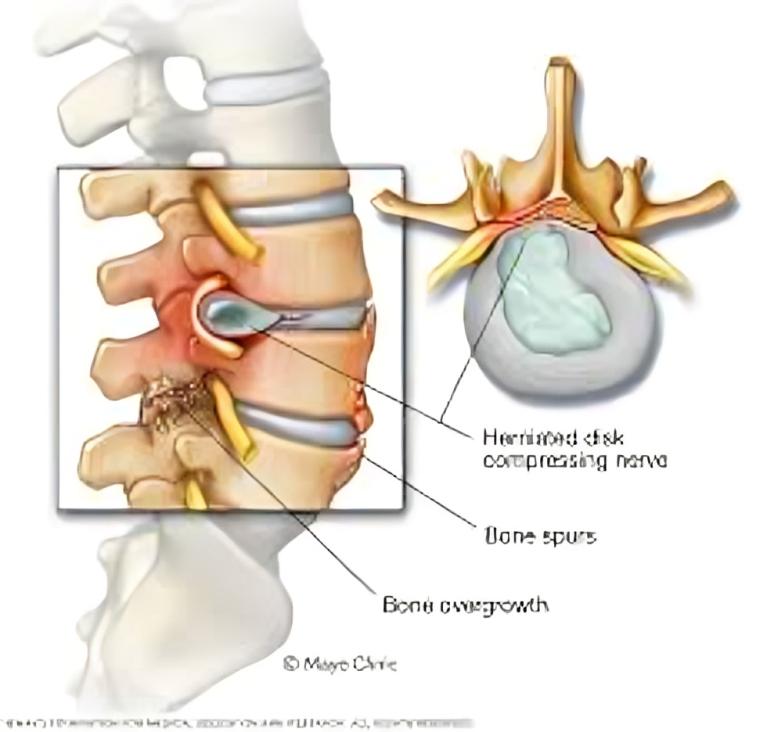
تعد تضيق القناة الشوكية من المشاكل الطبية التي تصيب العمود الفقري، حيث يحدث فيها ضيق في المساحة داخل القناة الشوكية التي تحتوي على الحبل الشوكي والأعصاب
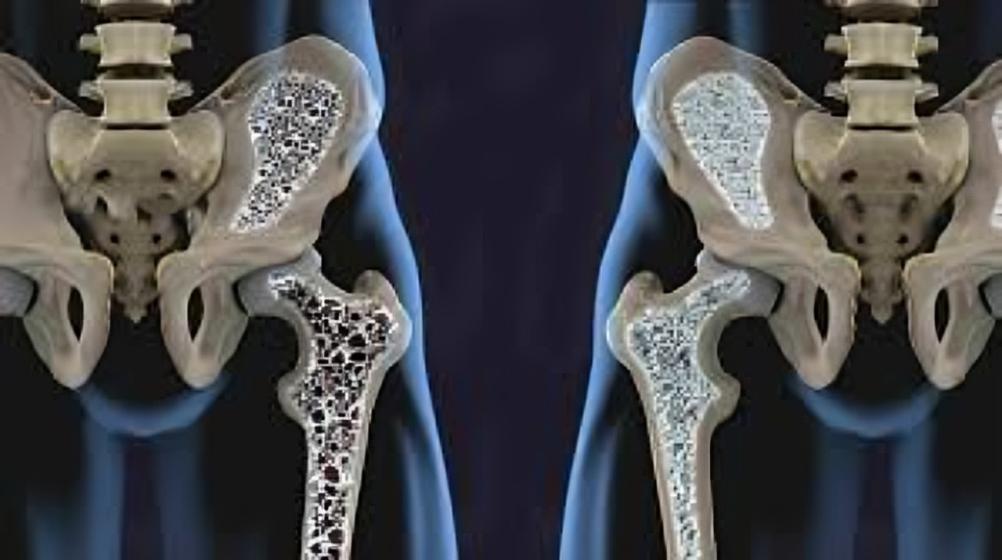
تُعد هشاشة العظام من أخطر الأمراض الصامتة التي تصيب العظام وتؤثر بشكل مباشر على العمود الفقري، خصوصًا مع التقدم في العمر
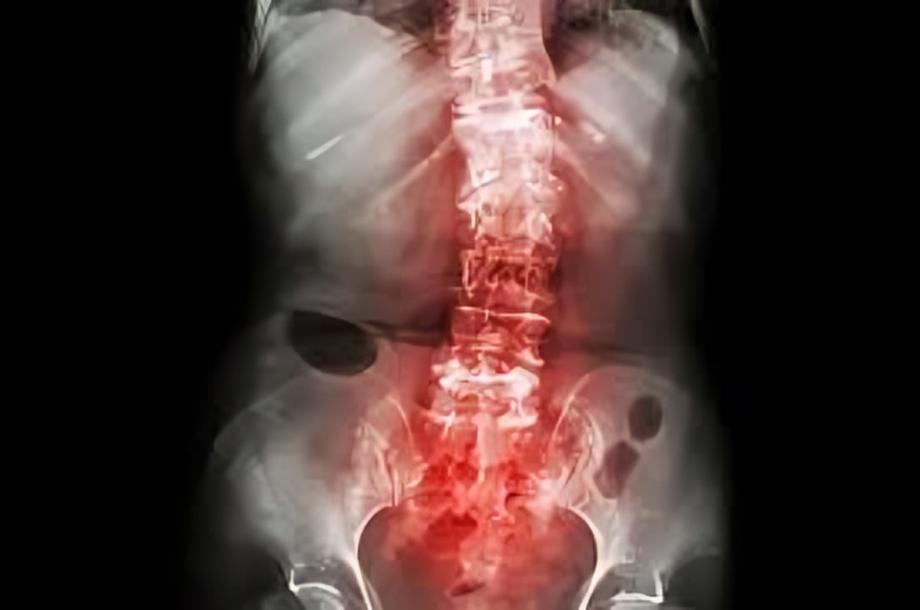
التهاب المفاصل الفقري هو أحد الأسباب الشائعة لآلام الظهر المزمنة، ويؤثر بشكل مباشر على جودة حياة المريض وقدرته على الحركة.
Bone pain can result from several causes, including:
- Injuries such as fractures or contusions.
- Osteoporosis or vitamin D deficiency.
- Arthritis or bone infections.
- Overexertion or intense physical activities.
- Other diseases such as tumors or infections.
Orthopedic surgery is a medical procedure used to fix fractures and injuries affecting bones and joints. This surgery helps in realigning the bones or replacing damaged joints, which aids in restoring mobility and relieving pain.
The ACL is one of the ligaments in the knee that helps stabilize the joint. If torn due to a sports injury, it can be treated through knee arthroscopy, where the arthroscope is used to repair the damaged ligament without fully opening the knee.
When a bone fractures, it is realigned into its proper position using surgery or a cast, depending on the type of fracture. If the fracture is complex, screws or plates may be used to stabilize the bone until it heals. After surgery, physical therapy is followed to rehabilitate the bones and joints.
Arthritis is a condition that causes swelling and pain in the joints and can be due to cartilage damage. If the condition is severe, it may be treated by replacing the damaged joint with a prosthetic device, such as in knee or hip replacement surgery.
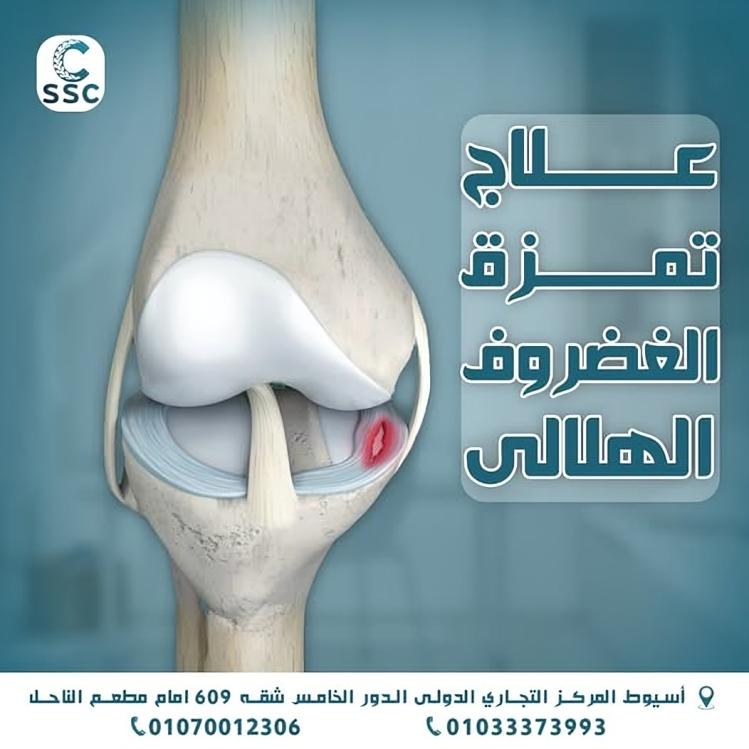
A torn knee cartilage can happen due to an injury or sudden movement. If the tear is significant, it is treated with knee arthroscopy, where the damaged parts of the cartilage are removed using precise techniques without the need for a large incision.
Spinal surgery is used to fix vertebral or intervertebral disc problems that may cause back pain. If there is a herniated disc or spinal stenosis, treatment may involve removing the damaged part of the disc or bone, helping relieve pain.
A shoulder sprain can occur due to a sudden movement or heavy lifting. In some cases, shoulder arthroscopy may be needed to repair damaged tendons or ligaments. This is done through a small incision using precise tools to fix the shoulder without the need for major surgery.
Joint replacement surgery is needed when a joint becomes too damaged due to conditions like arthritis or osteoarthritis. In this surgery, the damaged joint is removed and replaced with a prosthetic joint to improve movement and reduce pain.
Sports injuries include ligament tears or muscle injuries. Orthopedic surgery is used to fix these injuries using techniques like arthroscopy to repair ligaments or damaged tissues, helping athletes return quickly to their activities.
Bone lengthening surgery is used to treat shortened limbs or bone deformities. In this surgery, a part of the bone is gradually separated using a special device to lengthen the bone until it reaches the desired length.
Knee pain can occur due to several factors, such as injuries (like sprains or ligament tears), arthritis (such as osteoarthritis), or excess weight, which places additional pressure on the joint. Sports activities or repetitive movements can also contribute to pain.
Treatment depends on the cause: if the injury is mild, rest and physical therapy may be sufficient to alleviate the pain. Cold or hot compresses can help reduce swelling, and if inflammation is present, the doctor may recommend pain-relieving or anti-inflammatory medications. In more severe cases, surgery or joint injections may be required.
