Dr. Yasmine Hassan

Dr. Yasmine Hassan

Dr. Yasmine Hassan

Physiotherapists Cairo, Nasr City
Egypt's #1 Verified Directory Verified Information
Contact
Available Now
Book Appointment / Phone
Address

42 Metwally El Shaarawy Street, Afifi Towers, Above Carrefour, 8th floor, Nasr City, Cairo, Nasr City, Cairo

Follow Us
Overview

Consultant Physiotherapist and Therapeutic Nutrition

Full Name Dr. Yasmine Hassan
City / Area Cairo , Nasr City
Description

Dr. Yasmin Hassan ๐Ÿฉบ

Specialist in Physical Therapy and Therapeutic Nutrition
๐ŸŽ“ Cairo University

Experience and Memberships:

Member of the Arab Society for Obesity Treatment โš–๏ธ: Contributing to the development of obesity treatment strategies and raising health awareness.

Head of Physical Therapy and Nutrition at the Arab Football Academies Union โšฝ: Providing nutritional and therapeutic consultations for athletes.

Specializations:

Therapeutic Nutrition ๐Ÿฅ—: Designing personalized nutritional programs for various health conditions.

Sports Nutrition ๐Ÿ…: Developing nutritional plans to support physical performance and post-exercise recovery.

Obesity and Thinness Treatment โš–๏ธ: Comprehensive strategies to reduce or increase weight healthily.

Eating Disorders Treatment ๐Ÿฝ๏ธ: Supporting individuals with eating issues like anorexia or bulimia.

Clinic Address ๐Ÿ“:
42 Metwally El Shaarawy Street, Afify Towers, Above Carrefour, 8th Floor, Nasr City, Cairo

Clinic Contact ๐Ÿ“ž:
01010399019

Services Provided ๐Ÿฉบ:

Weight Loss and Nutrition for Children and Adults ๐Ÿ‘ถ๐Ÿง‘‍โš•๏ธ:

Customized nutritional programs.

Regular follow-ups to ensure goal achievement.

Gym Nutrition ๐Ÿ‹๏ธ‍โ™‚๏ธ:

Nutritional plans to support exercise routines.

Fat Dissolution and Body Shaping ๐Ÿ’ช:

Techniques and lifestyle habits to enhance body shape.

Therapeutic Nutrition ๐Ÿฅ—:

For Diabetic Patients ๐Ÿฉบ: Special nutritional plans to regulate blood sugar levels.

For Kidney Patients ๐Ÿฅ: Nutrition that considers kidney requirements.

For Liver Patients ๐Ÿฅ: Nutritional strategies to support liver health.

Nutrition for Pregnant and Breastfeeding Women ๐Ÿคฐ:

Nutritional advice to support the health of both mother and baby.

Obesity and Thinness Treatment โš–๏ธ:

Comprehensive evaluation and design of suitable dietary programs.

Anorexia Treatment ๐Ÿฝ๏ธ:

Psychological and nutritional strategies to stimulate appetite.

Cupping Sessions ๐Ÿ’†‍โ™€๏ธ:

Cupping therapy services for overall health improvement.

Acupuncture ๐Ÿชก:

Using traditional techniques to assist in weight loss and improve health.

"Start your journey towards better health with Dr. Yasmin Hassan!" 

Tags
Best Physiotherapist in the Eighth District Best Physiotherapist on El-Thawra Street Best Physiotherapist on El-Tayaran Street Best Physiotherapist in Nasr City Best Physiotherapist in the Seventh District Best Physiotherapist on Makram Ebeid Street Best Physiotherapist on Abbas El-Akkad Street Best Physiotherapist at City Stars Best Physiotherapist at City Center Best Physiotherapist on Mostafa El-Nahhas Street Best Physiotherapist in Ahmed Fahim Best Physiotherapist in the Embassies Area Best Physiotherapist in Zahraa Nasr City Best Physiotherapist in El-Wafa and El-Amal Best Physiotherapist in Cairo Physiotherapist in the Eighth District Physiotherapist on El-Thawra Street Physiotherapist on El-Tayaran Street Physiotherapist in Nasr City Physiotherapist in the Seventh District Physiotherapist on Makram Ebeid Street Physiotherapist on Abbas El-Akkad Street Physiotherapist at City Stars Physiotherapist at City Center Physiotherapist on Mostafa El-Nahhas Street Physiotherapist in Ahmed Fahim Physiotherapist in the Embassies Area Physiotherapist in Zahraa Nasr City Physiotherapist in El-Wafa and El-Amal Physiotherapist in Cairo number Physiotherapist in the Eighth District number Physiotherapist on El-Thawra Street number Physiotherapist on El-Tayaran Street number Physiotherapist in Nasr City number Physiotherapist in the Seventh District number Physiotherapist on Makram Ebeid Street number Physiotherapist on Abbas El-Akkad Street number Physiotherapist at City Stars number Physiotherapist at City Center number Physiotherapist on Mostafa El-Nahhas Street number Physiotherapist in Ahmed Fahim number Physiotherapist in the Embassies Area number Physiotherapist in Zahraa Nasr City number Physiotherapist in El-Wafa and El-Amal number Physiotherapist in Cairo

Suggested Results

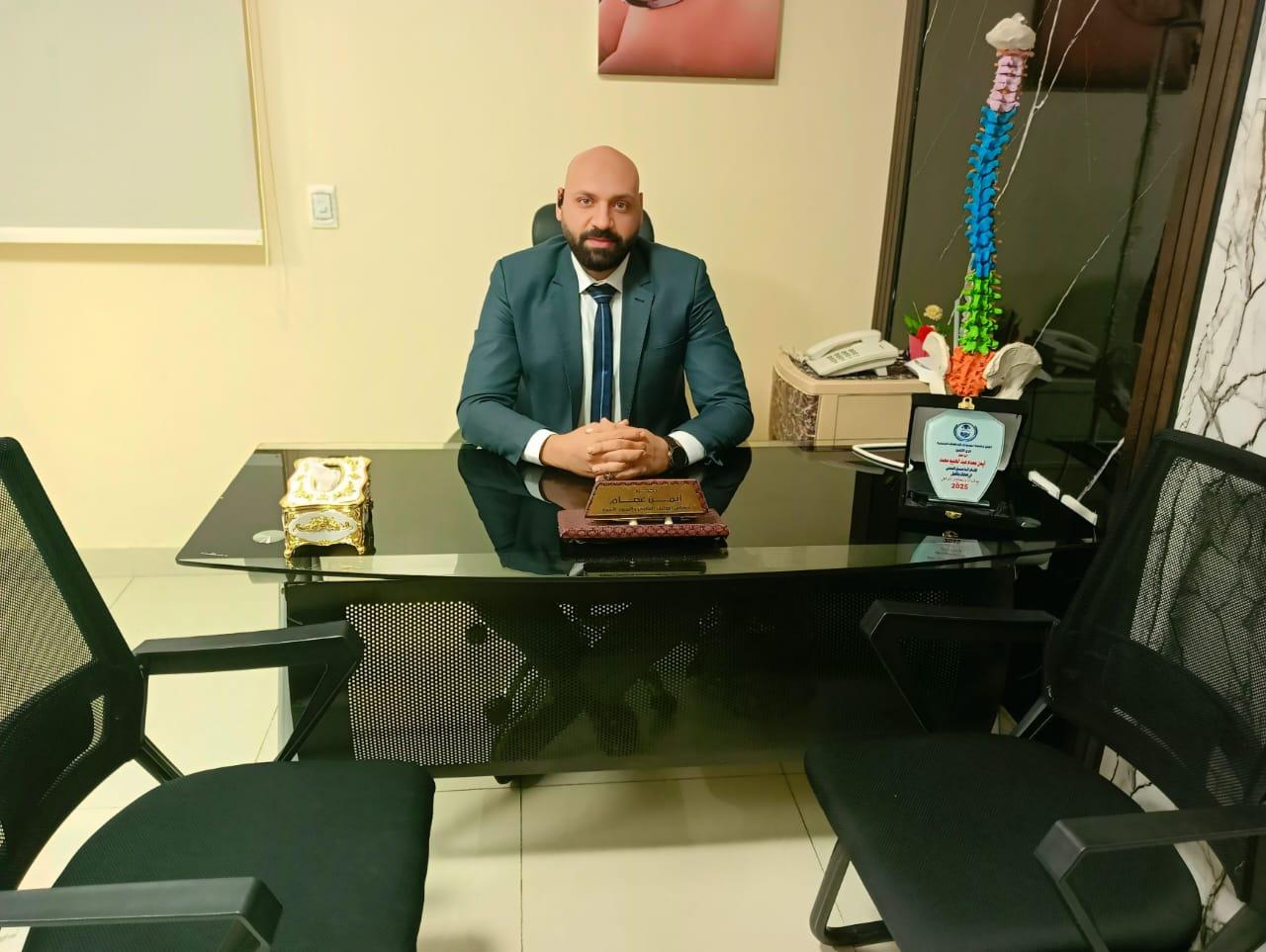
Dr. Ayman Essam
(5.0)

Expert in Treating Herniated Disc, Spine Disorders, Abher Syndrome,...

Speciality: ุฏูƒุชูˆุฑ
Price: 500
Nasr City, Cairo
Address: 49 Hassan Aflatoun Street, Nozha, Nasr City

๐Ÿฅ Misr Center for Manual Therapy Physical Rehabilitation Non-surgical treatment of slipped disc and spine disorders... Read More: Dr. Ayman Essam

FAQ

FAQ

Comprehensive and direct answers to the most frequently asked questions about available services and specialties.

Egypt's #1 Verified Directory

Physical therapy is a form of medical treatment aimed at improving movement, reducing pain, increasing strength, and restoring the ability to perform daily activities more effectively. Physical therapy relies on non-surgical techniques and, in some cases, without the need for medication. These techniques include therapeutic exercises, manual therapy, electrical stimulation, cold and heat therapy, specialized methods such as ultrasound, and many other treatments.

Physical therapy is not only for those suffering from physical injuries but also plays a significant role in preventing health problems and improving overall quality of life. Physical therapy offers a wide range of benefits, including:

  • Improving Strength and Flexibility: It helps strengthen muscles and restore tissue flexibility after injury or surgery.
  • Pain Reduction: Through techniques such as electrical stimulation, heat or cold therapy, and massage, physical therapy effectively reduces pain.
  • Restoring Mobility: After injuries or surgeries, physical therapy helps improve the ability to perform daily activities.
  • Injury Prevention: By teaching patients proper movement techniques and strengthening muscles that support joints, physical therapy helps prevent future injuries.

Manual Techniques: These are techniques used by physical therapists with their hands to move joints and tissues. These techniques include soft tissue massage, joint manipulation, and muscle stretching.

  • Therapeutic Massage: Helps alleviate muscle tension and improve blood circulation, which in turn enhances tissue healing.
  • Manual Stretching: Aims to improve the flexibility of muscles and joints, increasing their range of motion.

Manual therapy is often used to relieve pain, restore mobility, and accelerate the healing process following injuries or surgeries.

Therapeutic exercises are one of the most important methods of physical therapy. They are chosen based on the type of injury or symptoms the patient is experiencing:
  • Muscle strengthening exercises: These are used to improve the strength of muscles that support affected joints. For example, exercises to strengthen the knee muscles after an injury or surgery.

  • Stretching exercises: These aim to increase the flexibility of muscles and ligaments, which helps reduce muscle tension and improve movement.

  • Balance exercises: These are designed to improve the overall coordination of the body and are especially necessary for patients with balance issues.

  • Coordination exercises: These focus on coordinating movement between different parts of the body, which is important for improving overall performance in daily activities.

Electrical stimulation is used in physical therapy to reduce pain, enhance healing, and strengthen muscles. The types include:

  • Transcutaneous Electrical Nerve Stimulation (TENS): This helps reduce pain by sending electrical signals through the skin to the nerves, preventing pain signals from reaching the brain.

  • Deep Muscle Stimulation: Used in cases of muscle weakness, where the electrical device stimulates the muscles to strengthen them and increase muscle tissue volume.

  • Heat therapy: It contributes to improving blood circulation in the affected area, promoting healing, and reducing muscle tension. It is used in chronic conditions such as lower back pain.

  • Cold therapy: Used in acute injuries, such as sprains or muscle tears. It helps reduce swelling, inflammation, and joint irritation, contributing to faster healing.

  • Post-surgery therapy: After joint replacement or spinal surgery, physical therapy is an important part of the recovery process to restore movement.

  • Sports injury therapy: Treats ligament sprains, muscle tears, and tendonitis.

  • Pediatric therapy: Helps children overcome growth-related issues such as delayed walking, muscle tension, or coordination problems.

  • Geriatric therapy: Focuses on strengthening muscles, improving balance, and maintaining mobility to prevent falls.

Physical therapy can assist in improving respiratory function in patients with conditions like asthma or pulmonary fibrosis through several methods:

  1. Breathing Exercises: Patients are taught deep breathing techniques and breath control to help increase lung capacity and improve airflow, which enhances the body's ability to use oxygen more efficiently.

  2. Respiratory Muscle Strengthening: This involves exercises to strengthen the muscles involved in breathing, such as the diaphragm, which helps patients breathe more effectively.

  3. Coordination of Breathing and Movement: Physical therapy helps patients coordinate breathing with daily activities like walking or climbing stairs, reducing the feeling of breathlessness.

  4. Mucus Clearance and Decongestion: Physical therapy may include techniques such as reversed breathing or respiratory massage to help expel excess mucus from the airways, relieving airway obstruction and enhancing patient comfort.

  5. Improving Overall Physical Fitness: By strengthening cardiovascular and musculoskeletal systems, physical therapy improves overall fitness, which reduces respiratory symptoms and enhances the patient's ability to perform daily activities.

All these techniques aim to reduce symptoms and improve the quality of life for patients suffering from chronic respiratory conditions.

Physical therapy plays a significant role in improving coordination and balance, especially for individuals who suffer from health issues that affect their ability to maintain balance. These conditions may include:

  • Dizziness: Dizziness caused by disorders in the inner ear or nervous system can lead to difficulty maintaining balance. Physical therapy uses techniques such as balance exercises and rehabilitation maneuvers to improve stability and reduce dizziness, helping patients stand and walk more effectively.

  • Stroke: After a stroke, patients may experience impaired coordination of movements. Physical therapy focuses on restoring motor coordination and flexibility through specialized techniques such as muscle strengthening and balance exercises. This helps in regaining motor functions and improving the ability to perform daily activities.

  • Parkinson's Disease: This condition leads to a deterioration of motor control, resulting in difficulty walking and maintaining balance. Specialized exercises are designed to improve fine motor control and balance while reducing muscle stiffness that can make movement more challenging. Exercises aimed at enhancing muscle strength and movement coordination are vital in helping reduce the risk of falls.


Physical therapy is not limited to treating injuries or acute issues; it also helps alleviate the symptoms of chronic diseases and improve quality of life:

Arthritis: Patients with arthritis often suffer from pain and stiffness in the joints. Does physical therapy help relieve pain? Yes, physical therapy helps alleviate pain by using techniques such as specific exercises that increase joint flexibility and reduce swelling. Strengthening exercises also help reinforce the muscles surrounding the joints, which reduces the load on them, improving movement and minimizing discomfort.

Diabetes: Patients with diabetes may struggle with controlling blood sugar levels and poor circulation. Does physical therapy help improve these symptoms? Yes, through regular exercises, physical therapy can enhance circulation and increase the flexibility of muscles and joints. It also helps reduce symptoms of muscle stiffness and improves the patient's ability to manage diabetes.


Physical therapy is not only about treatment; it can also be an effective part of a preventive plan to reduce injuries and improve overall health:

  • Physical Exercise: Helps strengthen muscles and increase physical endurance, which reduces the risk of injury. Additionally, it helps improve joint and tissue flexibility, reducing the risk of strain or inflammation.

  • Training for Proper Movement: When patients learn how to move correctly, they reduce the likelihood of joint or tissue problems. This includes understanding proper postures for sitting, standing, and moving in daily life.

  • Balance Improvement: Balance exercises help strengthen the muscles responsible for maintaining stability. This is particularly important for elderly patients or individuals with difficulty maintaining balance, reducing the risk of falls and related injuries.

Physical therapy is generally safe, but some patients may experience temporary side effects such as:

Pain: Some patients may experience mild pain after sessions due to muscle stimulation or increased activity. This pain typically resolves within hours to a couple of days.

Swelling: Mild swelling may occur in the treated area due to increased blood flow or heightened muscle activity. This is usually temporary.

Fatigue: Occasionally, patients may feel fatigued after physical therapy sessions, especially if the exercises are intense or if therapy is part of a long-term rehabilitation plan.

If these symptoms are persistent or severe, it is recommended that the patient consult with the physical therapist to adjust the sessions according to their needs and provide the necessary guidance.

After undergoing surgery, the body requires rehabilitation to restore strength and movement. Physical therapy plays a key role in this by helping patients regain joint flexibility and strengthen muscles that may have weakened due to prolonged inactivity after surgery. Physical therapy also helps alleviate pain using techniques such as manual therapy or electrical stimulation. For surgeries that affect joints, such as joint replacement, physical therapy enables the patient to restore joint movement, reduce swelling, and improve daily performance. It also enhances the patient's independence in carrying out daily activities.

Arthritis, whether rheumatoid arthritis or osteoarthritis, causes severe pain and stiffness in the joints. Physical therapy helps patients by strengthening the muscles around the affected joint, which reduces pressure on the joint and enhances its stability. Stretching exercises contribute to increasing joint flexibility and improving the range of motion. Physical therapists may also use techniques such as therapeutic massage to reduce pain and inflammation. Additionally, physical therapy focuses on teaching patients proper body postures to minimize stress on the joints during daily activities.

Physical therapy is an effective treatment for many neurological conditions such as stroke, multiple sclerosis, and Parkinson's disease. It helps improve motor coordination and restores the patient's ability to move more freely. The treatment plan may include balance exercises, stretching, and strength-building exercises. For stroke patients, physical therapy focuses on retraining motor skills so that the patient can regain the ability to perform basic movements. Electrical stimulation techniques can also be used to stimulate damaged nerves and improve neurological function. Physical therapy significantly contributes to enhancing the quality of life for individuals with neurological diseases by increasing their independence in daily activities.

Physical therapy plays a significant role in improving body flexibility through stretching and flexibility exercises that are specifically designed to increase the range of motion in joints and muscles. The therapy may also include techniques to relieve muscle tension, such as therapeutic massage and manual therapy techniques. These exercises promote increased blood flow to the muscle tissues, helping restore tissue flexibility and reduce muscle tightness. Additionally, exercises can be tailored to improve flexibility in specific areas of the body, such as the back, thighs, or shoulders. Improved flexibility also helps reduce sports injuries and muscle strain caused by prolonged sitting.

Physical therapy can be extremely beneficial in managing chronic pain caused by conditions such as chronic back pain, arthritis, and sports injuries. Techniques such as therapeutic massage and manual therapy are used to release muscle tension that causes pain. Additionally, physical therapy may involve electrical stimulation, which helps activate the nerves and reduce the sensation of pain. Stretching exercises and muscle strengthening also help improve the flexibility of joints and muscles, reducing pressure and tension. Physical therapy aims to treat the underlying pain and prevent the development of persistent pain in the long term by promoting body movement and restoring its normal function.

Treatment for spinal injuries focuses on improving range of motion, strengthening supporting muscles, and reducing pain. After a spinal injury, patients may experience muscle spasms, joint stiffness, or limited movement. Through strengthening exercises, physical therapy helps to build core muscles that support the spine, reducing pressure on the vertebrae. Manual therapy techniques are used to release restricted joints in the spine, which helps improve overall spinal movement. Patients are also taught proper body postures to avoid positions that put excessive pressure on the spine while sitting or standing.

Yes, physical therapy is one of the primary treatment options for neck and back pain. Through stretching exercises, the physical therapist works on improving spinal flexibility and relieving muscle tension. In cases of back or neck pain, the treatment plan may include techniques such as electrical stimulation to alleviate pain or therapeutic massage to reduce inflammation. Manual therapy can also be used to mobilize the joints and improve blood circulation, which contributes to faster healing. Strengthening exercises help support the spine by improving the muscle strength that supports the spine.

Physical therapy is one of the essential treatments that help improve the condition of patients suffering from neurological disorders such as stroke, multiple sclerosis, and Parkinson’s disease. The therapy works to enhance motor coordination, increase muscle strength, and improve balance. For instance, after a stroke, physical therapy helps retrain muscles to regain their movement through stretching exercises and muscle strengthening. Techniques like electrical stimulation can be used to stimulate damaged nerves and improve their activity. Additionally, therapists assist in improving hand-eye coordination and enhancing motor responses, which are crucial for daily function and independence.
 
4o mini

After a muscular or joint injury, physical therapy plays a crucial role in restoring muscle function. Strengthening exercises are used to regain the strength lost due to the injury. Stretching exercises also help restore flexibility in the muscles and joints. By improving muscle endurance, the patient can regain the ability to perform daily activities efficiently. Additionally, the therapist works to reduce swelling and pain using techniques like electrical stimulation or manual therapy, which accelerates the healing process.

Yes, physical therapy can improve mobility in older adults by strengthening muscles and enhancing balance. As people age, they become more prone to falls due to weakened muscles and deteriorating coordination. Physical therapy helps by offering balance exercises, stretching, and strengthening the core muscles. Functional exercises, which mimic daily movements such as standing, sitting, and climbing stairs, help restore the ability to move naturally. Physical therapy also contributes to reducing pain caused by conditions like arthritis or stiffness, thereby improving overall quality of life.


Physical therapy is an effective tool for improving balance, especially for older adults or those experiencing balance issues. Through specialized exercises that focus on strengthening core muscles and improving coordination between nerves and muscles, the risk of falling can be significantly reduced. Physical therapists use techniques to stimulate the nervous system, which helps retrain the patient to improve their ability to stand and walk with greater stability. These techniques include exercises for flexibility, balance, and motor coordination, as well as improving joint mobility. Patients also learn how to manage daily situations that may pose a risk to their balance.

Physical therapy is one of the optimal options for managing tendonitis, as it helps reduce inflammation, alleviate pain, and improve movement in the affected area. Treatment begins with techniques such as ice or heat therapy to help reduce swelling and limit inflammation. Following that, the therapy may include flexible strengthening exercises targeting the muscles surrounding the tendon, which enhances joint support and reduces pressure on the injured tendons. The treatment may also involve techniques like therapeutic massage or electrical nerve stimulation, which improve blood flow and accelerate healing. Additionally, physical therapy can assist in teaching the patient how to avoid movements that could worsen the condition.

After surgery, patients typically experience muscle weakness due to prolonged rest or immobilization. Physical therapy involves specialized exercises designed to strengthen muscles and improve their efficiency. The treatment usually begins with gentle exercises to increase the range of motion and reduce joint stiffness, gradually progressing to strengthening exercises that are introduced slowly to avoid putting excessive pressure on healing tissues. Additionally, physical therapists teach patients techniques to improve posture and reduce strain on the affected muscles and joints. These treatments may include techniques such as electrical muscle stimulation or joint mobility exercises to accelerate recovery.

Physical therapy plays a key role in enhancing athletic performance by strengthening muscles and improving flexibility. The therapist begins by assessing the athlete’s individual needs and creates a comprehensive treatment plan that includes exercises to build muscle strength and improve endurance, as well as exercises to increase flexibility and facilitate free movement. The therapy also includes techniques to enhance balance and muscle coordination, reducing the likelihood of injuries during training or competition. Additionally, physical therapy can help athletes improve performance techniques, such as promoting proper posture during running or weightlifting, which contributes to increased movement efficiency. In cases of injury, physical therapy provides customized rehabilitation programs to ensure a quick and safe return to sports activities.

Physical therapy is an effective method for treating joint pain, as it helps strengthen the muscles surrounding the affected joint and reduces pressure on the surrounding tissues. The treatment plan typically begins with exercises to improve joint flexibility and expand its range of motion, which helps reduce stiffness and discomfort. The therapy also includes manual techniques such as therapeutic massage to improve blood flow and reduce muscle tension. The therapist guides the patient through strengthening exercises for the muscles that support the joint, which helps alleviate pain and improve joint stability. In some cases, assistive devices or techniques to stimulate muscles may be recommended to enhance muscular response.

 
Search Directory