
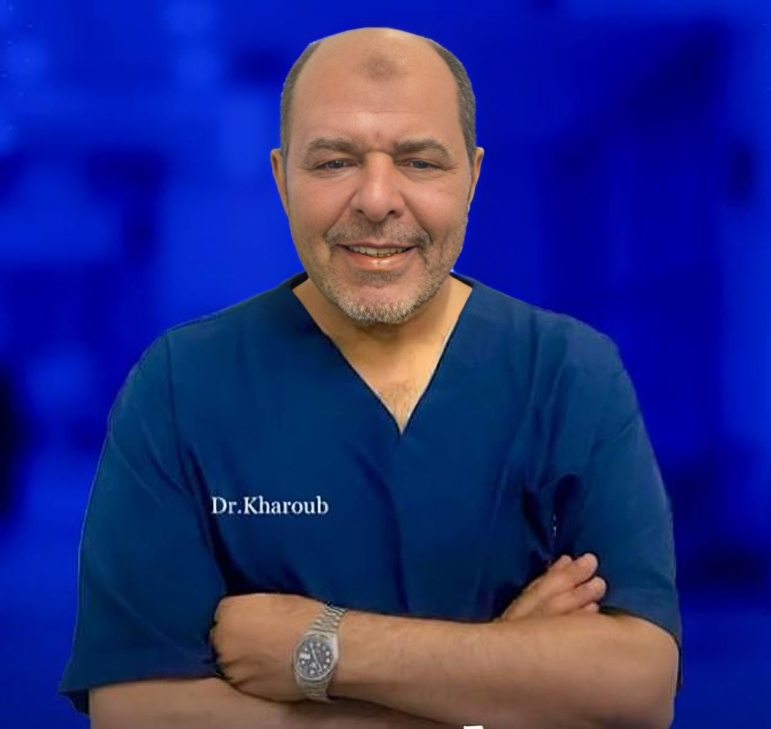
Dr. Mohamed Raafat Shaib Kharrob
Dr. Mohamed Raafat Shaib Kharrob
Overview
Orthopedic Surgeon
Description
Dr. Mohamed Raafat Shaib Kharrob
Orthopedic Surgeon
Clinic Phone Number: 0453322889
Address: Sidi Shaaban Street, from Ahmed Arabi Street, Damanhour, Beheira
About the Doctor
Dr. Mohamed Raafat Kharrob is a specialist in orthopedic surgery with extensive experience in treating and managing various orthopedic conditions. He focuses on providing exceptional medical care for patients of all ages.
Services Offered
1. Orthopedic Surgery
For Adults:
Treatment of bone fractures.
Joint replacement surgery (such as hip and knee).
Spinal surgery.
For Children:
Treatment of congenital deformities.
Orthopedic surgery for injury treatment.
2. Bone Deformities
Correction of deformities in children and adults.
Correction of bone issues in the hand and shoulder.
3. Sports Injuries
Diagnosis and treatment of sports injuries.
Arthroscopic joint surgery to reduce pain and speed recovery.
4. Spinal Conditions
Spinal surgery for herniated discs.
Correction of spinal deformities.
5. Advanced Techniques
Stem cell therapy.
Plasma therapy for tendon inflammation.
6. Rehabilitation
Physical rehabilitation for injuries.
Customized rehabilitation programs for children.
Free Services
Dr. Mohamed Raafat offers his medical services for free to underprivileged cases and those in difficult circumstances, reflecting his commitment to the community and support for needy patients.
Working Hours During Ramadan
Daily from 1:00 PM to 5:00 PM (except Fridays)
Contact Information
Phone: 01223788889
For any inquiries or to schedule appointments, please call the provided number.

Bone pain can result from several causes, including:
- Injuries such as fractures or contusions.
- Osteoporosis or vitamin D deficiency.
- Arthritis or bone infections.
- Overexertion or intense physical activities.
- Other diseases such as tumors or infections.
Orthopedic surgery is a medical procedure used to fix fractures and injuries affecting bones and joints. This surgery helps in realigning the bones or replacing damaged joints, which aids in restoring mobility and relieving pain.
The ACL is one of the ligaments in the knee that helps stabilize the joint. If torn due to a sports injury, it can be treated through knee arthroscopy, where the arthroscope is used to repair the damaged ligament without fully opening the knee.
When a bone fractures, it is realigned into its proper position using surgery or a cast, depending on the type of fracture. If the fracture is complex, screws or plates may be used to stabilize the bone until it heals. After surgery, physical therapy is followed to rehabilitate the bones and joints.
Arthritis is a condition that causes swelling and pain in the joints and can be due to cartilage damage. If the condition is severe, it may be treated by replacing the damaged joint with a prosthetic device, such as in knee or hip replacement surgery.
A torn knee cartilage can happen due to an injury or sudden movement. If the tear is significant, it is treated with knee arthroscopy, where the damaged parts of the cartilage are removed using precise techniques without the need for a large incision.
Spinal surgery is used to fix vertebral or intervertebral disc problems that may cause back pain. If there is a herniated disc or spinal stenosis, treatment may involve removing the damaged part of the disc or bone, helping relieve pain.
A shoulder sprain can occur due to a sudden movement or heavy lifting. In some cases, shoulder arthroscopy may be needed to repair damaged tendons or ligaments. This is done through a small incision using precise tools to fix the shoulder without the need for major surgery.
Joint replacement surgery is needed when a joint becomes too damaged due to conditions like arthritis or osteoarthritis. In this surgery, the damaged joint is removed and replaced with a prosthetic joint to improve movement and reduce pain.
Sports injuries include ligament tears or muscle injuries. Orthopedic surgery is used to fix these injuries using techniques like arthroscopy to repair ligaments or damaged tissues, helping athletes return quickly to their activities.
Bone lengthening surgery is used to treat shortened limbs or bone deformities. In this surgery, a part of the bone is gradually separated using a special device to lengthen the bone until it reaches the desired length.
Knee pain can occur due to several factors, such as injuries (like sprains or ligament tears), arthritis (such as osteoarthritis), or excess weight, which places additional pressure on the joint. Sports activities or repetitive movements can also contribute to pain.
Treatment depends on the cause: if the injury is mild, rest and physical therapy may be sufficient to alleviate the pain. Cold or hot compresses can help reduce swelling, and if inflammation is present, the doctor may recommend pain-relieving or anti-inflammatory medications. In more severe cases, surgery or joint injections may be required.
