

Diabetic foot is a complication of diabetes where high blood sugar levels lead to poor blood circulation 🩸 and nerve damage 🦵, increasing the likelihood of developing wounds and ulcers on the foot. Treatment involves proper wound care, laser therapy 💡, or other advanced techniques.
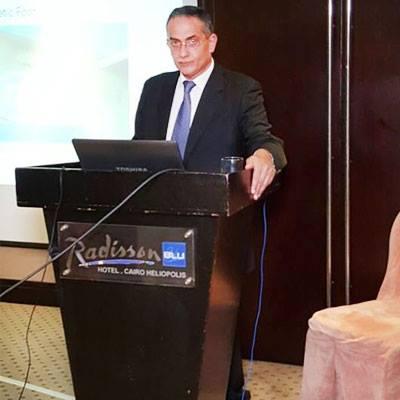
Dr. Mohamed Ali Matar
Dr. Mohamed Ali Matar
Egypt's #1 Verified Directory
Verified Information
Contact
Available Now
Address
3 Lebanon, Mit Okba Island, Agouza, Giza Governorate, Mohandisin, Giza
Follow Us
Overview
Specialist in Chronic Wounds and Diabetic Foot
Full Name
Dr. Mohamed Ali Matar
City / Area
Giza , Mohandisin
Description
🌟 Dr. Mohammed Ali Mutar
👨⚕️ Specialist in Chronic Wounds and Diabetic Foot
📝 Introduction
Dr. Mohammed Ali Mutar is considered one of the leading names in the field of treating chronic wounds and diabetic foot. With extensive experience over many years, he provides specialized care for wounds that do not heal easily and offers effective solutions for dealing with complications related to diabetic foot.
🎓 Academic Background
Dr. Mohammed Ali Mutar earned his Master's degree in Vascular Surgery from a prestigious university, in addition to specialized training in chronic wound care and diabetic foot. He is always striving to stay updated with the latest medical research and advancements in this field to ensure that he provides integrated and advanced medical care.
🩺 Specializations
Dr. Mohammed possesses high skills in several specialized areas, including:
💉 Chronic Wound Care: Using the latest advanced medical techniques, he treats wounds that do not heal easily, helping patients restore their normal lives.
👣 Diabetic Foot Care: He specializes in treating complications related to diabetes, such as diabetic foot ulcers, offering comprehensive care that includes prevention and early treatment.
🎤 Health Education and Awareness: Dr. Mohammed oversees organizing workshops and lectures to raise awareness about the importance of preventing and managing chronic wounds.
🛠️ Methodology
Dr. Mohammed follows a comprehensive methodology that takes into account all aspects of a patient's health condition, including:
🔍 Comprehensive Patient Evaluation: He conducts a thorough study of the wound or diabetic foot condition to determine the individual treatment needs of each patient.
📝 Customized Treatment Plans: Based on the initial evaluation, a tailored treatment plan is created for each patient, focusing on improving health and effective healing.
🔄 Regular Follow-Up: Dr. Mohammed regularly monitors the patient's progress and adjusts the treatment plan as necessary to ensure the best results.
🏆 Achievements
Dr. Mohammed has achieved several notable accomplishments in the field of chronic wound care and diabetic foot treatment, including:
💪 Helping many patients achieve better healing and significantly improving their health condition.
📚 Raising awareness about the importance of early prevention and medical intervention in cases of chronic wounds and diabetic foot.
🚀 Developing innovative treatment strategies that have contributed to accelerating the healing process and reducing associated health risks.
💡 Mission
Dr. Mohammed Ali Mutar aims to empower patients to improve their health by providing specialized and supportive care, ensuring they receive the best modern treatments for chronic wounds and diabetic foot care.
🔚 Conclusion
Dr. Mohammed Ali Mutar is a role model in his field, combining deep knowledge and practical experience to make a real difference in the lives of his patients. His passion for helping others and ensuring the provision of the highest standards of medical care contributes to the improvement of public health in general.
Chronic wounds are wounds that do not heal at the usual rate and require long-term treatment. These wounds include pressure ulcers 🛏️, wounds caused by diabetes 🦶, and diabetic foot wounds.
Pressure ulcers occur due to continuous pressure on the skin from sitting or lying down for prolonged periods without movement. This pressure reduces blood flow to the tissues, leading to skin damage 🧑⚕️.
How can pressure ulcers be prevented?
Prevention includes regularly changing body position 🔄, using cushions and supportive rolls to reduce pressure on sensitive areas 💺, and paying attention to hygiene and skincare 🧴.
Prevention includes changing the body position regularly 🔄, using supportive pillows and rollers to reduce pressure on sensitive areas 💺, in addition to paying attention to hygiene and skin care 🧴
Dentists
Cosmetic Doctors
Ophthalmologists
Orthopedic Doctors
Pediatricians
Neuro and spine surgery
Internal doctors
Cardiologists
Ear, nose and throat doctors
Nephrologists and urologists
Psychiatrists
Gynecologists and obstetricians
Plastic surgery doctors
Endocrinologists
Physiotherapists
Dermatologists
Gastroenterologists and Hepatologists
Hematologists and Hemato-Oncologists
Chest and respiratory doctors
Speech, voice and swallowing doctors
Gastric sleeve and gastric bypass doctors
Pancreatic surgeons
Psychiatrists who treat addiction
Doctors for chronic wounds, bed sores and diabetic foot
Nutritionists and weight loss doctors
General surgeons
Doctorate of Geriatrics
Diabetologists and endocrinologists
Allergists and immunologists
Pain medicine doctor
Pediatric Surgeons
اطفال الانابيب والعقم والجراحة بالمنظار
Veterinarians
Vascular Surgery
