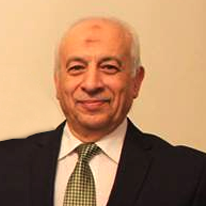
Dr. Amr Matar

Dr. Amr Matar

Dr. Amr Matar

Nutritionists and weight loss doctors Cairo, El Manial
Egypt's #1 Verified Directory Verified Information
Contact
Available Now
Book Appointment / Phone
Address

1 El Manyel Muzeum St., Manyel, Cairo, Egypt, El Manial, Cairo

Follow Us
Overview

Professor and Consultant in Nutrition and Weight Loss

Full Name Dr. Amr Matar
City / Area Cairo , El Manial
Description

Dr. Amr Matar – Professor and Consultant in Nutrition and Weight Loss

Dr. Amr Matar is a Professor and Consultant in Nutrition and Weight Loss, with extensive experience in nutritional therapy and weight management. Dr. Amr relies on the latest scientific methods and research in the field of nutrition to achieve the best results for his patients. He focuses on customized diet programs that meet each patient’s needs and help them achieve their health goals effectively and safely. Dr. Amr provides comprehensive nutritional consultations aimed at improving overall health and regulating weight through scientifically based approaches.

Services Provided by Dr. Amr Matar

  1. Personalized Nutritional Consultations

    • A comprehensive assessment of the patient’s health and dietary habits to identify factors affecting weight and overall health.
    • Offering nutritional consultations based on the latest scientific research to create customized diet programs that match the patient’s needs and goals.
  2. Customized Weight Loss Diet Programs

    • Designing balanced diet programs aimed at safe and healthy weight loss, considering individual needs and factors related to metabolism.
    • Using advanced methods to balance healthy food intake while achieving effective weight loss results.
  3. Ongoing Monitoring and Results Evaluation

    • Continuous follow-up with patients to ensure adherence to diet programs and evaluate progress toward weight loss goals.
    • Adjusting diet plans based on regular assessments to ensure the best results in the shortest time possible.
  4. Healthy Lifestyle Guidance

    • Providing comprehensive consultations on healthy lifestyle habits, including proper nutrition, exercise, and managing psychological factors like stress and anxiety.
    • Helping patients adopt long-term healthy habits to maintain an ideal weight and good health.
  5. Management of Obesity and Related Health Conditions

    • Creating personalized diet plans for managing obesity and related conditions such as diabetes, high blood pressure, and cholesterol.
    • Offering nutrition strategies to improve overall health and prevent chronic diseases.
  6. Continuous Support and Motivation

    • Providing psychological support and motivation to patients throughout their weight loss journey to ensure adherence and achieve desired results.
    • Offering practical advice for maintaining an ideal weight after reaching health goals.

Advantages of Treatment with Dr. Amr Matar

  • Scientific and Professional Approach: Dr. Amr uses the latest research and scientific methods to design effective and safe diet programs.
  • Customized Diet Plans: Creating diet plans tailored specifically to meet the individual needs and health goals of each patient.
  • Ongoing Follow-ups: Regular monitoring to ensure continuous progress and achieve sustainable results.
  • Comprehensive Support and Motivation: Providing continuous psychological support and motivation to ensure patient commitment and goal achievement.

How to Start with Dr. Amr Matar

If you wish to consult Dr. Amr Matar, you can schedule an initial consultation to assess your health condition and nutritional needs. A customized diet plan will be designed to help you achieve weight loss and nutritional balance, with continuous follow-up to ensure the best results.

FAQ

FAQ

Comprehensive and direct answers to the most frequently asked questions about available services and specialties.

Egypt's #1 Verified Directory

Therapeutic nutrition is a specialized field that focuses on the strategic use of food and beverages as therapeutic tools to support the treatment and management of various medical conditions. The primary objectives of therapeutic nutrition include:

  • Managing chronic diseases: Such as diabetes, cardiovascular diseases, hypertension, and kidney disorders, through tailored dietary interventions that help control and manage these conditions.
  • Preventing diseases: A well-balanced, nutrient-dense diet plays a crucial role in preventing chronic diseases like obesity, type 2 diabetes, and cancer.
  • Enhancing organ function: A healthy, properly balanced diet provides essential nutrients that are vital for the optimal functioning of body organs.
  • Personalized care: Nutrition professionals create individualized dietary plans designed to meet the specific needs of patients with particular medical conditions (for instance, individuals with kidney disease may need to reduce protein or potassium intake).

Therapeutic nutrition is grounded in scientific principles that ensure diets are customized according to the patient’s medical condition, ultimately promoting recovery and improving overall quality of life.

Nutrition plays a significant role in increasing the rate of fat burning and reducing fat storage through the following mechanisms:

  • Increasing protein intake: Protein-rich foods (such as lean meats, eggs, and beans) promote feelings of fullness and support muscle building, which in turn boosts metabolism, resulting in more efficient fat burning.
  • Fiber: Consuming foods high in fiber (such as vegetables and fruits) aids digestion and helps you feel fuller for longer, reducing unhealthy snacking and limiting fat accumulation.
  • Healthy fats: Healthy fats, such as omega-3s found in fatty fish and olive oil, enhance fat-burning processes in the body and contribute to improving cholesterol levels.
  • Reducing sugar intake: Excess sugar tends to accumulate as fat in the body, so it is advisable to reduce the consumption of sugars and sugary drinks, which contain refined sugars.

A balanced diet focusing on proteins, fibers, and healthy fats can accelerate the fat-burning process effectively.

Certain foods contribute to accelerating the fat-burning process, including:

  • Fatty fish (such as salmon and tuna): These are rich in unsaturated fatty acids and omega-3s, which help promote fat burning and reduce inflammation.
  • Green tea: Contains antioxidants that may help enhance metabolism and speed up fat burning.
  • High-quality proteins: Such as lean meats, eggs, and poultry. Protein not only aids in muscle building but also boosts metabolism and promotes fat burning.
  • Fiber-rich foods: Such as whole grains, fruits, and vegetables, which help improve digestion and reduce fat absorption.
  • Spicy foods (such as chili peppers): Contain capsaicin, a compound that can contribute to increased metabolic rates and fat burning.

These foods contain components that enhance metabolism and promote fat burning, leading to healthy weight loss.

Physical therapy is a healthcare specialty focused on enhancing individuals' physical functions using non-invasive methods. It involves:

  • Therapeutic exercises: These include muscle-strengthening exercises, aerobic training, and flexibility exercises that aim to improve overall physical performance.
  • Heat and cold therapy: Heat packs are used to alleviate muscle tension, while cold therapy helps reduce inflammation and swelling.
  • Electrical stimulation therapy (such as electrical nerve stimulation): This technique stimulates nerves and muscles to reduce pain and promote the healing of tissues.
  • Massage therapy: Helps enhance blood circulation and relieve muscle tension.

Physical therapy plays a crucial role in rehabilitation, improving mobility and functionality, and assisting the body in recovering from injuries and chronic pain conditions.

While physical therapy does not directly melt fat, it plays an important role in improving physical fitness and strength, which indirectly contributes to fat burning:

  • Muscle-strengthening exercises: Physical therapy exercises help increase muscle mass, which in turn boosts metabolism and aids in burning more fat.
  • Improved endurance: Individuals undergoing physical therapy can enhance their stamina and engage in more physical activities, which helps burn additional calories.
  • Pain relief: By reducing pain in joints and muscles, physical therapy allows individuals to engage in exercise and physical activities more effectively, leading to higher energy expenditure and fat burning.

Physical therapy aids in enhancing physical performance and enables participation in exercises that contribute to fat loss.

A fat loss-focused diet should include:

  • Fewer calories than the body needs: The diet should be moderately low in calories to encourage the body to use stored fat as an energy source.
  • Protein and fiber: Protein helps build muscle and boosts metabolism, while fiber promotes a feeling of fullness, reducing overall calorie intake.
  • Healthy fats: Such as nuts, olive oil, and avocados. Healthy fats not only help reduce stored fat but also improve cardiovascular health.
  • Reduced simple carbohydrates: Such as refined sugars, focusing instead on complex carbohydrates that are rich in fiber and aid digestion.

A fat loss diet should be balanced to maintain energy levels while ensuring no negative impact on overall health.

Physical therapy exercises focus on strengthening muscles and increasing body flexibility:

Stretching Exercises: These improve muscle and joint flexibility, helping to reduce muscle tension. These exercises can be performed daily to help prevent injuries and improve movement.

Balance Exercises: Such as standing on one leg or exercises using a stability ball to enhance coordination between muscles.

Muscle Strengthening Exercises: These aim to increase the muscles' ability to withstand physical activities, such as resistance training exercises.

Proper nutrition is essential for achieving optimal physical performance, as it provides the necessary energy for engaging in physical activities:

Proteins: Promote muscle building and assist in recovery after exercise.

Carbohydrates: Provide the primary fuel during physical activities, especially in intense aerobic exercises.

Healthy Fats: Supply the body with long-lasting energy for activities requiring sustained effort.

Vitamins and Minerals: Contribute to maintaining nervous and muscular function and enhance the body's endurance capacity.


  1. What is the role of physical therapy in managing pain associated with obesity?

Obesity can place excessive strain on joints and muscles, leading to pain:

Muscle Strengthening: Physical therapy can help strengthen the muscles surrounding affected joints, such as the knees and back.

Improving Mobility: Targeted exercises can help alleviate pain caused by obesity and improve flexibility.

Pain Relief Techniques: Methods such as heat or cold therapy can reduce inflammation or swelling.


Yes, therapeutic nutrition positively impacts the results of physical therapy:

Proper Nutrition: Provides essential nutrients for healing and recovery, including protein for muscle building and vitamins to reduce inflammation.

Increased Energy: Carbohydrate-rich foods supply the body with the necessary energy to perform therapeutic exercises effectively.

Improved Muscle Performance: Nutrients like calcium and magnesium contribute to muscle strength and enhance endurance.


Search Directory
