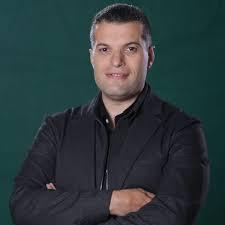
Dr. Mohamed Diaa Sarhan

Dr. Mohamed Diaa Sarhan

Dr. Mohamed Diaa Sarhan

Gastric sleeve and gastric bypass doctors Giza, Mohandisin
Egypt's #1 Verified Directory Verified Information
Contact
Available Now
Book Appointment / Phone
Address

15 Amr Street, branching off from Syria Street, Mohandessin, Mohandisin, Giza

Follow Us
Overview

Professor and Consultant in Obesity Surgery and Laparoscopy

Full Name Dr. Mohamed Diaa Sarhan
City / Area Giza , Mohandisin
Description

Dr. Mohamed Diaa Sarhan
Professor and Consultant in Obesity Surgery and Laparoscopy


Specialization:
Dr. Mohamed Diaa Sarhan is a Professor and Consultant in Obesity Surgery and Laparoscopy, specializing in providing innovative surgical solutions for the treatment of morbid obesity using advanced laparoscopic techniques. He has extensive experience in performing various obesity surgeries, including gastric sleeve, gastric bypass, gastric banding, and treating obesity-related conditions such as type 2 diabetes and hypertension.

Medical Expertise:

  • Performing obesity surgeries using laparoscopic techniques to achieve optimal results with minimal risks.
  • Conducting gastric sleeve and gastric bypass surgeries safely and effectively for treating morbid obesity.
  • Managing obesity-related comorbidities, such as type 2 diabetes and hypertension, through surgical intervention.
  • Providing preoperative and postoperative consultations to ensure long-term results and optimal recovery.

Training and Qualifications:

  • Degree in obesity surgery and laparoscopy.
  • Specialized training in obesity surgery and laparoscopic techniques.
  • Completed advanced training in robotic surgery and laparoscopic obesity procedures.

Scientific Research:
Dr. Mohamed Diaa Sarhan is an active researcher in the field of obesity surgery and laparoscopy, contributing to several scientific studies focused on improving obesity surgery techniques and offering innovative treatment solutions. He has numerous publications in reputable medical journals.

Academic Activities:

  • Professor in the field of obesity surgery and laparoscopy, contributing to the training of specialists and students in the latest surgical techniques for obesity.
  • Lecturer at local and international medical conferences, where he shares his expertise on the latest advancements in obesity surgery.

Medical Services Provided:

  • Surgical consultations for patients with morbid obesity.
  • Performing obesity surgeries using laparoscopic techniques, such as gastric sleeve and gastric bypass.
  • Treating obesity-related comorbidities, such as type 2 diabetes and hypertension, through surgical intervention.
  • Postoperative care to ensure optimal recovery and long-term success.

About Dr. Mohamed Diaa Sarhan:

Dr. Mohamed Diaa Sarhan is a Professor and Consultant in Obesity Surgery and Laparoscopy with extensive experience in treating morbid obesity using the latest surgical techniques. He is recognized as a leading expert in his field due to his research and publications on obesity surgery and laparoscopy.

FAQ

FAQ

Comprehensive and direct answers to the most frequently asked questions about available services and specialties.

Egypt's #1 Verified Directory

 Bariatric surgery is a surgical intervention aimed at treating morbid obesity that cannot be managed through diet and exercise. It involves techniques such as gastric sleeve surgery or gastric bypass, where the size of the stomach or the path of food in the digestive system is altered to reduce food absorption or the amount of food that can be consumed.

  • Gastric Sleeve: Significantly reduces the size of the stomach.
  • Gastric Bypass: Alters the food path to reduce absorption.


 Gastric sleeve surgery is a procedure in which a large portion of the stomach (about 75-80%) is removed, making the stomach smaller and tubular in shape. This results in a reduced capacity for food intake and promotes a sense of fullness more quickly. Gastric sleeve surgery also lowers levels of hunger-inducing hormones.

Benefits of Gastric Sleeve Surgery:

  • Rapid weight loss.
  • Improvement in blood sugar and blood pressure levels.
  • Enhanced quality of life.

 Gastric bypass surgery, also known as Roux-en-Y gastric bypass, involves creating a direct connection between the upper part of the stomach and the small intestine, bypassing a portion of both the stomach and small intestine. This results in reduced food absorption, as food passes directly from the stomach to the small intestine.

Benefits of Gastric Bypass:

  • Significant weight loss.
  • Notable improvement in blood sugar levels.
  • Reduction in risks associated with obesity, such as heart disease and stroke.


Bariatric surgery is intended for individuals who suffer from severe obesity (a body mass index of 40 or higher) or those with a BMI between 35 and 39.9 who also have obesity-related conditions such as type 2 diabetes, high blood pressure, or heart disease. Patients should have made previous attempts to lose weight through diet and exercise without significant success.

Other criteria: The patient should be in overall good health and willing to make long-term lifestyle changes post-surgery.

 Bariatric surgery offers not only weight loss but also significant health benefits:

  • Improved blood sugar control: Bariatric surgery can cure or help better manage type 2 diabetes by improving blood sugar levels.
  • Reduced heart disease risk: Weight loss helps lower blood pressure, reduce harmful cholesterol levels, and decrease the risk of heart diseases.
  • Improved quality of life: Individuals who undergo bariatric surgery often experience enhanced mobility and can perform daily activities with greater ease.


 Bariatric surgery is performed using advanced techniques such as laparoscopic surgery, which reduces pain and speeds up recovery. Most procedures are done under general or local anesthesia. After the surgery, patients may experience mild discomfort or pain, but it is usually manageable with pain relievers.

Post-surgery pain: The pain typically lasts for 2 to 3 days, with the need for pain medication gradually decreasing.


 Like any surgery, bariatric surgery comes with some risks, including:

  • Infection: Infections may occur at the surgical site.
  • Bleeding: Internal or external bleeding can happen.
  • Digestive issues: Problems such as leaks or bowel obstruction can arise.
  • Vitamin deficiencies: Due to changes in nutrient absorption, patients may suffer from deficiencies in vitamins and minerals.
  • Weight loss failure: In some cases, the surgery may not result in the desired weight loss if the patient does not strictly follow post-surgery instructions.


 The recovery time depends on the type of surgery and the patient's condition, but typically, it takes about 1 to 2 weeks for the patient to return to light daily activities. For exercises or strenuous physical activities, it is recommended to wait 4 to 6 weeks before resuming.

Returning to normal activities: Most patients can return to their normal life within a month after surgery.


 Weight regain is possible in some cases, especially if patients do not adhere to necessary lifestyle changes. Behavioral therapy, healthy eating, and regular exercise are crucial for maintaining tangible results.

Long-term success rate: With adherence to the doctor's instructions, many patients experience sustained weight loss and improvements in their health.

 It is preferred not to perform bariatric surgery during pregnancy, and it is advisable to wait until after childbirth. For chronic diseases, the condition should be well-controlled before undergoing surgery. Consulting with a doctor is necessary to determine if the patient's health allows for safe surgery.

Pregnancy: It is recommended to wait until weight stabilizes post-pregnancy before considering surgery. Chronic diseases: If the patient has a chronic condition such as diabetes or heart disease, the doctor may recommend a thorough evaluation to ensure the body can handle the surgery safely.

Search Directory
