Dr. Mohamed Hammouda

Dr. Mohamed Hammouda

Verified account

Dr. Mohamed Hammouda

Chest and respiratory doctors Dakahlia, Al-Mansoura Governorate 5 (10 Reviews)
Egypt's #1 Verified Directory Verified Information
Contact
Available Now
Book Appointment / Phone Whatsapp
Address

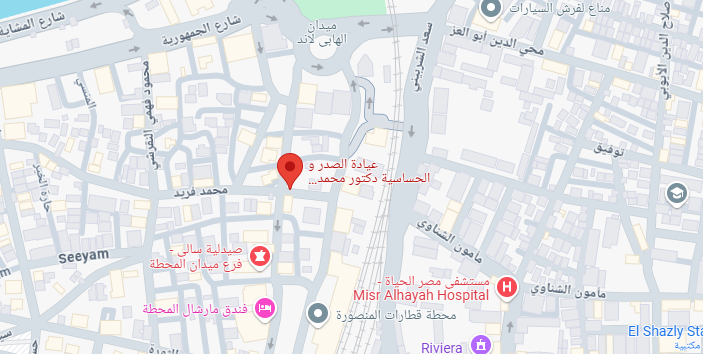
Mansoura - Al-Mahatta Square, Al-Lu’lu’a Tower (opposite Al-Daada’a Restaurant), 4th Floor., Al-Mansoura Governorate, Dakahlia

Location
Dr. Mohamed Hammouda
Follow Us
Overview

Consultant of Chest Diseases and Allergies at the Faculty of Medicine, Mansoura University

Full Name Dr. Mohamed Hammouda
City / Area Dakahlia , Al-Mansoura Governorate
Description

Dr. Mohamed Hamouda - Top Consultant in Chest Diseases & Allergies in Mansoura and Senbellawein | Extensive Experience in Respiratory Care

If you’re searching for the best pulmonologist in Mansoura or a professor specializing in respiratory and allergy disorders, Dr. Mohamed Hamouda is your ideal choice. With extensive expertise in diagnosing and treating chest diseases and allergies for adults and children, he utilizes the latest medical technologies.


🩺 Who is Dr. Mohamed Hamouda?

Dr. Mohamed Hamouda is a Consultant in Chest Diseases and Allergies at the Faculty of Medicine - Mansoura University, and one of Egypt’s leading specialists in this field.

  • 🎓 Academic Qualifications:

    • Ph.D. in Chest Diseases from Mansoura University Faculty of Medicine.

    • Holder of the European Diploma in Chest Diseases.

  • 🌟 Professional Experience:

    • Vast experience in treating respiratory disorders, including asthmapneumoniapulmonary fibrosis, and pulmonary hypertension.

    • Specialized in managing severe COVID-19 cases and treating sleep-related breathing disorders like sleep apnea.

    • Performs interventional chest endoscopies and uses CT scans and ultrasound for accurate diagnosis.


✅ Why Choose Dr. Mohamed Hamouda?

1️⃣ Extensive Expertise: Over 15 years in treating chest diseases and allergies.
2️⃣ Advanced Technology: Utilizes state-of-the-art medical equipment for diagnosis and treatment.
3️⃣ Comprehensive Care: Meticulous follow-up for critical cases like respiratory failure.
4️⃣ All-Age Treatment: Specializes in care for both adults and children.


❤️ Medical Services Offered

1. Respiratory Allergy Treatment

  • Diagnosis and treatment of asthma for adults and children.

  • Customized, effective treatment plans for each patient.

2. Respiratory Disease Management

  • Treatment of acute pneumonia and chronic pulmonary fibrosis.

  • Post-COVID-19 recovery monitoring.

3. Sleep-Related Breathing Disorders

  • Diagnosis and treatment of sleep apnea.

4. Advanced Techniques

  • Interventional chest endoscopies and biopsy sampling.

  • CT scans and ultrasound for precise diagnosis.

5. Pulmonary Tumors

  • Diagnosis and follow-up of lung tumors and secondary malignancies.

6. Critical Care

  • Pre- and post-operative respiratory assessments.


📍 Clinic Locations & Hours

🏥 Mansoura Clinic

  • 📌 Address: Al Mahatta Square - Al Lulu'a Tower - in front of Al Da'da' Restaurant.

  • 🕒 Hours:

    • Saturday to Wednesday: 3:00 PM – 6:00 PM.

    • Sunday & Tuesday: 9:30 PM – 11:00 PM.

    • Monday: 6:00 PM – 9:00 PM.

    • Thursday: By appointment only.

  • 📞 Phone: 01550033722 / 0502310268.

  • 💰 Consultation Fee: 330 EGP.

🏥 Senbellawein Clinic

  • 📌 Address: Ard El Mahaleg - Al Diaa Tower - in front of Abou El Fotouh Pharmacy.

  • 🕒 Hours:

    • Saturday, Sunday, Tuesday, & Wednesday: 7:00 PM – 9:00 PM.

  • 📞 Phone: 01551989296 / 01009045939.

  • 💰 Consultation Fee: 220 EGP.


📞 Book an Appointment


🌟 Dr. Mohamed Hamouda’s Message

"With my extensive experience in chest diseases and allergies, I strive to provide comprehensive healthcare using the latest diagnostic and treatment technologies. Whether you suffer from asthma or respiratory disorders, we are here to ensure your comfort and well-being."

News & Articles

Jan 23
تحسين قدرة الرئتين

حساسية الأنف: تؤثر بشكل كبير على جهاز التنفس العلوي، وتتسبب في أعراض مزعجة مثل العطس، انسداد الأنف، والحكة
Jan 23
التهاب الشعب الهوائية الحاد

اسباب الكحة: فهم الأسباب المختلفة وكيفية التعامل معها
Feb 19
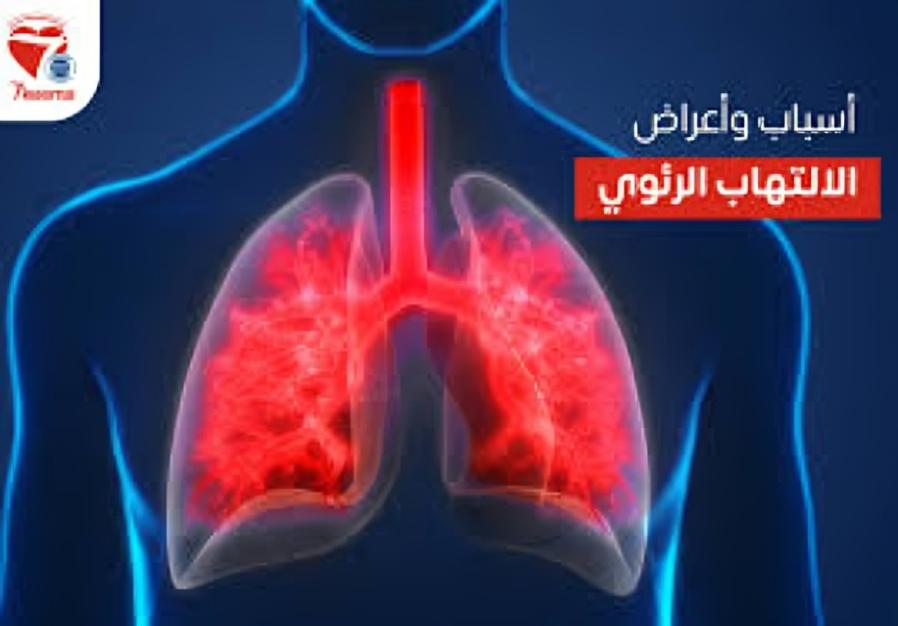
أسباب التهاب الرئوي الحاد

التهاب الرئوي الحاد هو حالة طبية تتمثل في التهاب حاد يصيب أنسجة الرئة، ويؤدي إلى صعوبة في التنفس وأعراض خطيرة أخرى مثل السعال، الحمى، وألم الصدر

Nov 12
دكتور محمد حمودة

Looking for an expert in respiratory diseases? From acute pneumonia to chronic lung fibrosis, Dr. Mohamed Hamouda provides comprehensive care for adults and children in the heart of Mansoura.

FAQ

FAQ

Comprehensive and direct answers to the most frequently asked questions about available services and specialties.

Egypt's #1 Verified Directory

Dr. Mohamed Hamouda is a Consultant in Pulmonary Diseases and Allergies, and a Lecturer at the Faculty of Medicine, Mansoura University. He has extensive experience in diagnosing and treating respiratory diseases, including asthma, breathing disorders, pulmonary fibrosis, and acute lung diseases. Dr. Mohamed Hamouda is known for providing specialized healthcare using the latest diagnostic and treatment technologies, always striving to ensure the comfort of his patients and achieve the best therapeutic outcomes.

You can contact Dr. Mohamed Hamouda through several methods:

Visit the Clinics:

Mansoura Clinic:

Address: Midan El-Mahatta, El-Lu'lu'a Tower, in front of El-Da'ada Restaurant.

Working Hours:

Saturday to Wednesday: 3:00 PM to 6:00 PM

Sunday to Tuesday: 9:30 PM to 11:00 PM

Monday: 6:00 PM to 9:00 PM

Thursday by prior appointment

Consultation Fee: 330 EGP

Phone: 01550033722 / 0502310268

Sennbellawein Clinic:

Address: Ard El-Mahlag, El-Diya Tower, in front of Abu El-Fotouh Pharmacy.

Working Hours:

Saturday, Sunday, Tuesday, and Wednesday: 7:00 PM to 9:00 PM

Consultation Fee: 220 EGP

Phone: 01551989296 / 01009045939

Contact by Phone: You can call the clinic's phone numbers for appointments or inquiries.

Contact via Email: You can send your inquiries or appointment requests via email: [email protected]

These are the available methods to contact Dr. Mohamed Hamouda.

Pneumonia is an infection in the lungs, and it shows through the following symptoms:

1. Cough: It could have mucus or it might be dry.

2. High fever: Fever with chills (feeling cold with heat).

3. Difficulty breathing: Feeling like you can't take a deep breath.

4. Chest pain: The pain gets worse when you breathe deeply or cough.

5. Fatigue and exhaustion: Feeling extremely tired, unable to get up.

6. Loss of appetite: Not feeling like eating as usual, and sometimes feeling nauseous.

7. Excessive sweating: Especially at night.

8. Muscle aches: Feeling body aches like you have the flu.

9. Mental confusion: Older adults may feel confused or have trouble thinking clearly.

Note: These symptoms can be severe or mild depending on age and health condition.

The recovery time from pneumonia depends on the severity of the condition and the patient's age:

1. Mild cases: Recovery usually takes 1 to 3 weeks.

2. Severe cases or elderly patients: Recovery may take 6 to 8 weeks or longer.

Tips for faster recovery:

1. Get plenty of rest.

2. Stay hydrated by drinking lots of fluids.

3. Follow your doctor’s instructions and take all prescribed medications.

 If complications arise or symptoms persist for an extended period, consult your doctor immediately to prevent further health issues.

Pneumonia is an infection that affects the lung tissues themselves. This means that the air sacs in the lungs become inflamed and filled with fluids or pus. Its symptoms are usually clear, such as:

Pneumonia is an infection that affects the lung tissue itself. This means the air sacs in the lungs become inflamed and may fill with fluid or pus. Its symptoms are clear and include:

1. High fever with chills.

2. Severe coughing, often accompanied by mucus or phlegm.

3. Difficulty breathing, and sometimes chest pain during deep breaths or coughing.

Bronchitis, on the other hand, is an inflammation of the tubes that carry air to the lungs (bronchial tubes). It’s often caused by viral infections or continuous smoking. The main symptoms are:

1. Persistent cough (which may be dry or produce mucus).

2. A feeling of tightness or mild pain in the chest.

3. Wheezing sounds when breathing.

4. General fatigue and exhaustion.

In summary, pneumonia directly impacts the lungs and tends to be more severe, while bronchitis affects the airways leading to the lungs and doesn’t involve the lung tissue itself.

Yes, pneumonia can cause death in some cases, especially if not diagnosed or treated promptly. There are several factors that can increase the risk, such as:

1. Complications: like respiratory failure or sepsis.

2. Pre-existing health conditions: such as heart diseases or diabetes.

3. Age: Older adults and infants are more vulnerable to complications.

4. Severity of the infection: If the infection is severe and caused by bacteria or a virus, it may lead to more serious problems.

Advice: It's important to see a doctor if you experience symptoms like difficulty breathing or a cough with high fever. Early treatment is crucial to avoid serious complications.

Yes, pneumonia can be contagious, especially if it's caused by bacterial or viral infections. The infection can spread from one person to another through:

1. Coughing and sneezing: From an infected person.

2. Direct contact: Such as shaking hands with someone who is sick.

3. Contaminated air: Inhaling air that contains germs.

To reduce the risk of infection, it’s important to wash your hands frequently, avoid direct contact with sick individuals, and wear a mask if you’re in crowded areas or around infected people.

Yes, pneumonia can be contagious, especially if caused by bacterial or viral infections. The infection spreads from person to person through:

1. Coughing and sneezing: from an infected person.

2. Direct contact: such as shaking hands with an infected person.

3. Contaminated air: inhaling air containing germs.

To reduce the risk of infection, it's recommended to wash hands regularly, avoid contact with sick individuals, and use masks when necessary.

The early symptoms of pneumonia include:

1. Cough: It may be dry or accompanied by mucus.

2. Fever: A rise in body temperature with chills.

3. Chest discomfort: A feeling of heaviness or pain in the chest.

4. Breathing difficulties: Trouble breathing or a sense of tightness.

5. Fatigue: General tiredness and weakness.

6. Muscle aches: Pain spread across the body.

7. Night sweats: Excessive sweating during sleep.

Tip: If you experience any of these symptoms, it’s crucial to consult a doctor immediately to start treatment and prevent complications.

Symptoms of bronchitis may include:

1. Persistent cough: It can be dry or accompanied by mucus.

2. Difficulty breathing: You might hear wheezing (a whistling sound when breathing).

3. Chest discomfort: A feeling of tightness or heaviness in the chest.

4. Fever: A slight increase in body temperature.

5. General fatigue: Feeling tired and drained most of the time.

6. Nasal congestion or sore throat: A stuffy nose or throat pain might occur.

Note: Bronchitis is often caused by a viral or bacterial infection. The cough may persist even after other symptoms improve.

Best treatment for bronchitis:

The treatment for bronchitis depends on the cause and severity of the inflammation. Here are some options:

1. Rest: To strengthen the immune system and help the body recover.

2. Drink plenty of fluids: Helps to thin mucus and make it easier to expel.

3. Pain relievers: Such as paracetamol to alleviate pain and fever.

4. Bronchodilators: Such as "salbutamol" to widen the airways.

5. Cough medicines: If the cough is troublesome.

6. If bacterial: The patient may need antibiotics.

It is important to consult a doctor to determine the most appropriate treatment based on your condition.

Bronchitis (acute bronchial inflammation) is usually not dangerous if treated properly. However, in some cases, complications can occur, such as:

1. Chronic bronchitis: If it lasts for a long time or if flare-ups are frequent.

2. Underlying health conditions: Conditions like asthma or heart diseases may increase the risk of complications.

3. Age and weakened immune system: The body may be less able to fight off infections.

4. Rare complications: Such as progression to pneumonia or breathing difficulties.

It is important to consult a doctor when symptoms appear to ensure appropriate treatment and prevent complications.

Symptoms of Lung Tumor:

A lung tumor may cause symptoms such as:

1. Persistent cough, which may sometimes include blood.

2. Difficulty breathing or a feeling of tightness in the chest.

3. Chest pain or discomfort.

4. Unexplained weight loss.

5. General fatigue and exhaustion.

6. Loss of appetite.

7. Wheezing or a whistling sound while breathing.

8. Night sweats.

These symptoms may not appear at the early stages and can be noticed mainly in advanced stages. If you notice any of these symptoms, it’s important to consult a doctor for the necessary tests and accurate diagnosis.

Search Directory