
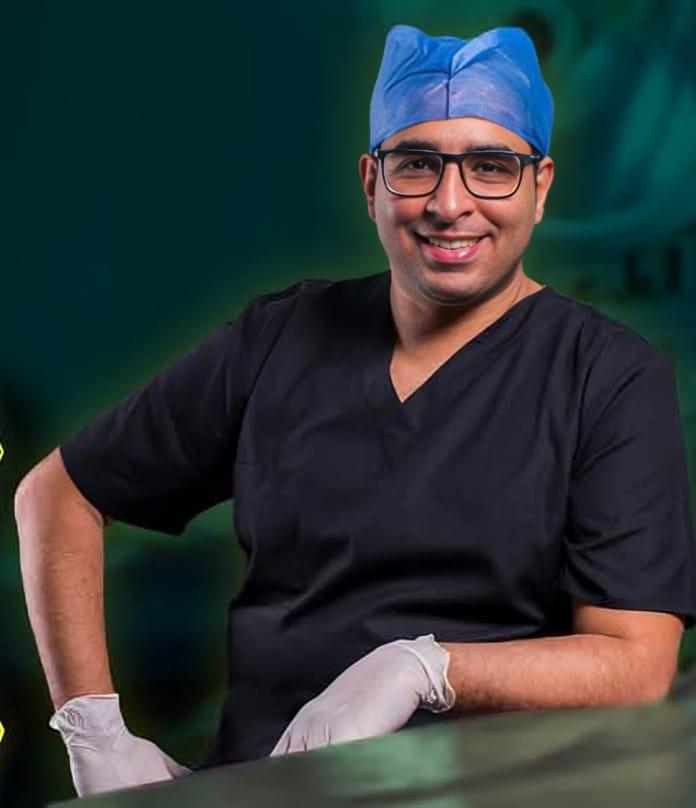
Dr. Mohamed Yass Ali
Dr. Mohamed Yass Ali
Contact
Available NowAl-Mesalla - Next to the Insurance Building - Tower City Tower - 2nd Floor (Upper), , Fayoum
Overview
Consultant in General Surgery, Plastic Surgery, and Burns
Description
Dr. Mohamed Yass Ali - Consultant in General Surgery, Plastic Surgery, and Burns
Specializations: Aesthetic Surgery, Laser, Burn Reconstruction
Dr. Mohamed Yass Ali is a consultant in general surgery, plastic surgery, and burn treatment with extensive experience in treating complex medical and cosmetic cases. He holds a Master's degree in General and Aesthetic Surgery from a prestigious university and works as an Assistant Professor in the Surgery Department. Dr. Ali focuses on medical innovation and the use of advanced technologies in burn treatment and aesthetic procedures, including laser therapy.
Dr. Mohamed Yass Ali specializes in treating burn scars, as well as enhancing physical appearance through advanced cosmetic techniques. He offers comprehensive medical solutions that include plastic surgery, laser treatments, and modern methods for burn care and other specialized conditions.
🩺 Specializations:
Aesthetic Surgery: Correcting aesthetic flaws caused by burns or accidents, along with facial and body enhancement using the latest techniques.
Laser Aesthetic Treatments: Treating skin issues like wrinkles, acne scars, and pigmentation using state-of-the-art laser equipment.
Burn Reconstruction Surgery: Offering surgical solutions to address the cosmetic effects of burns, whether superficial or deep, while maintaining the skin's natural appearance.
📍 Address:
Al-Mesalla - Next to the Insurance Building - Tower City Tower - 2nd Floor (Upper)
📞 To Book or Inquire:
01067487224
084-2128700
Dr. Mohamed Yass Ali offers the best medical solutions for treating burns and aesthetic imperfections using advanced and safe methods. Patients can receive comprehensive consultations related to cosmetic surgery, burn reconstruction, and skin treatments.
✨ Additional Services:
Consultations for facial and body imperfections.
Advanced laser techniques for skin issues.
Specialized burn surgery with excellent aesthetic results.
🩺 Why Choose Dr. Mohamed Yass Ali?
Experienced consultant in plastic and reconstructive surgery.
Use of advanced techniques for burn treatment and aesthetic surgery.
Flexible scheduling and personalized care for each patient.
Premium medical services in a modern healthcare environment.
📅 Book your appointment now and enjoy the best cosmetic and surgical services available.
Tags

Skin diseases are a group of conditions that affect the health of the skin. Some common skin diseases include:
-
Acne: This usually occurs during adolescence but can persist into adulthood. It happens when pores are blocked by oils or dead skin cells, leading to pimples, blackheads, and pustules.
- Acne Treatment: Treatment depends on the severity of the condition. It includes topical treatments such as benzoyl peroxide or salicylic acid creams. In severe cases, oral medications like isotretinoin or antibiotics may be used.
-
Eczema: A chronic skin condition that causes dryness, redness, and intense itching. It can appear on any part of the skin.
- Eczema Treatment: It involves using moisturizing creams, topical corticosteroids to reduce inflammation, and avoiding triggers that cause irritation.
-
Psoriasis: A chronic autoimmune condition that causes rapid skin cell growth, leading to the appearance of red, scaly patches.
- Psoriasis Treatment: Topical medications such as corticosteroids can be used, as well as light therapy (laser treatment) or oral medications to reduce inflammation.
-
Sexually Transmitted Infections (STIs): These include genital herpes, gonorrhea, and chlamydia. These infections are transmitted through sexual contact and can cause painful symptoms in the genital area.
- STI Treatment: It includes antiviral medications (such as acyclovir for herpes) or antibiotics for gonorrhea and chlamydia.
-
Topical Treatment: Topical creams or medications containing active ingredients like benzoyl peroxide, salicylic acid, or retinoids are commonly used. These treatments help reduce inflammation, clean the pores, and decrease oil production.
-
Oral Treatment: For more severe cases, doctors may prescribe antibiotics such as doxycycline or tetracycline. In other cases, isotretinoin may be prescribed. Isotretinoin is a powerful medication used to treat severe acne.
-
Laser Treatment: Various types of lasers can be used to treat persistent acne. For example:
- Pulsed Dye Laser: This laser reduces acne-causing bacteria and minimizes skin inflammation.
- Blue Light Laser: This laser is used to kill acne-causing bacteria within the pores.
Sexually transmitted infections (STIs) are diseases transmitted through sexual contact, and include:
-
Genital Herpes: Caused by the herpes simplex virus (HSV), genital herpes leads to painful sores in the genital area.
- Treatment: There is no cure for herpes, but symptoms can be managed with antiviral medications such as acyclovir.
-
Gonorrhea and Chlamydia: These are bacterial infections that can affect the genital area, throat, or rectum.
- Treatment: They are treated with antibiotics such as azithromycin or doxycycline.
-
Genital Warts: Caused by the human papillomavirus (HPV).
- Prevention: The HPV vaccine is the best prevention method. Genital warts can also be treated with topical medications or cryotherapy (freezing).
Prevention:
- Condom Use: Using condoms during sexual activity is one of the best ways to prevent STIs.
- Regular Screening: Regular STI screenings and following personal hygiene instructions can help with prevention and early treatment.
Causes:
- Sun Exposure (UV Radiation): Exposure to UV rays leads to increased melanin production, resulting in dark spots.
- Aging: The appearance of age spots (also known as liver spots).
- Hormonal Changes: Hormonal fluctuations, such as during pregnancy, can lead to melasma.
- Skin Inflammation: Conditions like acne can leave behind pigmentation marks after healing.
Treatment:
- Whitening Products: Such as hydroquinone or kojic acid.
- Laser Treatment: Including intense pulsed light (IPL) or Q-Switch lasers.
- Mesotherapy: Injections of whitening and nourishing substances to the skin.
Causes:
- Hormonal Changes: Such as pregnancy, menopause, or Polycystic Ovary Syndrome (PCOS).
- Genetics: A family history of hair loss can increase the likelihood.
- Stress: It can lead to temporary hair shedding.
- Vitamin Deficiencies: A lack of iron or Vitamin D can contribute to hair loss.
Treatment:
- Minoxidil: A topical treatment used to stimulate hair growth.
- Hormonal Medications: Such as birth control pills or anti-androgens to treat PCOS.
- Mesotherapy: Injections of vitamins and nutrients directly into the scalp.
- Hair Transplant: Transplanting hair follicles from thicker areas to thinning areas on the scalp.
Causes:
- Inflammations: Such as acne, cuts, or burns.
- Surgery: Or deep skin injuries.
- Dermatitis: Which causes the formation of scar tissue.
Treatment:
- Laser Treatment: Such as erbium laser or fractional laser to stimulate skin cell regeneration and reduce scars.
- Topical Creams: Such as silicone or corticosteroid creams.
- Mesotherapy: Injections of nourishing substances and enzymes to improve the appearance of scars.
- Chemical Peeling: To exfoliate the upper layers of the skin and stimulate its renewal.
Causes:
- Sun Exposure: UV rays cause skin damage and accelerate the appearance of wrinkles.
- Smoking: Leads to the breakdown of collagen in the skin.
- Aging: As we age, collagen production decreases, leading to the development of wrinkles.
Treatment:
- Dermal Fillers: Such as hyaluronic acid to fill fine lines.
- Botox Injections: To reduce wrinkles caused by muscle movements.
- Laser Treatment: Fractional laser to stimulate collagen production and rejuvenate the skin.
- Mesotherapy: Injections of vitamins to improve skin elasticity and reduce wrinkles.
Causes:
- Fat Accumulation: Leads to the appearance of cellulite when fat presses against the connective tissue.
- Poor Circulation: Contributes to increased fat accumulation under the skin.
Treatment:
- Mesotherapy: Involves injecting substances that help break down fat and strengthen the tissue, such as caffeine, choline, and silicon.
- Exercise: Helps stimulate circulation and reduce fat.
- Laser Treatment: Cellulaze laser helps break down fat and strengthen connective tissue.
- Sunburn: Caused by excessive exposure to sunlight.
- Contact Dermatitis: Due to reactions with chemicals or plants.
- Acne: May worsen due to increased oil production caused by heat.
Treatment:
- Prevention: Regular use of sunscreen.
- Topical Treatment: Such as corticosteroid creams to reduce inflammation.
- Cold Showers: To soothe sunburn.
Causes:
- Sperm Problems: Such as low sperm count or poor motility.
- Hormonal Imbalances: Such as low testosterone levels.
- Blockages: Blockages can occur in the ducts that transport sperm.
Treatment:
- Hormonal Medications: To stimulate the testes and improve sperm production.
- Surgery: To remove blockages or correct abnormalities.
- Artificial Insemination (IUI) or In Vitro Fertilization (IVF).
