
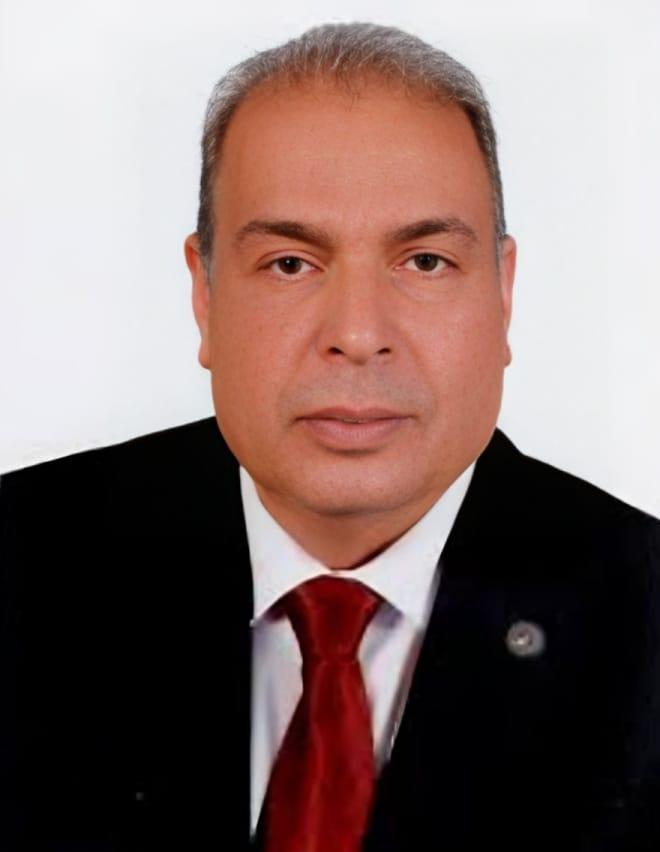
Dr. Nabil Hussein

Dr. Nabil Hussein

Dr. Nabil Hussein

Neuro and spine surgery Cairo, El Rehab 5 (10 Reviews)
Egypt's #1 Verified Directory Verified Information
Contact
Available Now
Book Appointment / Phone
Address

Medical Center 2 - Al-Rehab, El Rehab, Cairo

Follow Us
Overview

Professor and Head of Neurology Department

Full Name Dr. Nabil Hussein
City / Area Cairo , El Rehab
Description

Dr. Nabil Hussein - Professor and Head of Neurology Department at Al-Azhar University

Dr. Nabil Hussein is a Professor and Head of the Neurology Department at Al-Azhar University, and is considered one of the leading doctors in his field. He has extensive experience in treating neurological diseases and holds several important positions in specialized medical associations.


Positions Held:

Secretary General of the Egyptian Society of Neurology (Formerly).

President of the Stroke Division in the Egyptian Society of Neurology (Formerly).

Specializations:

Neurology for Adults ๐Ÿง 


Treatment of conditions such as stroke, migraine, multiple sclerosis, Parkinson's disease, seizures, and other neurological disorders.

Pediatric Neurology ๐Ÿง‘‍โš•๏ธ


Treating children with conditions like epilepsy, neurodevelopmental delays, neurogenetic disorders, and movement disorders.

Professional Experience:

Consultant Neurologist at Al-Husseini University Hospital.

Consultant Neurologist at The Air Hospital.

Consultant Neurologist at Police Academy.

Clinic Details:

Consultation Fee: 950 EGP ๐Ÿ’ฐ

Waiting Time: Approximately 8 minutes โณ

Location: Medical Center 2 - Al-Rehab ๐Ÿ“

Contact Number: 0122 889 9969 ๐Ÿ“ž

If you need a consultation or treatment in the field of neurology, Dr. Nabil Hussein is the ideal choice due to his deep academic and practical experience. You can easily schedule an appointment by calling the contact number above.

FAQ

FAQ

Comprehensive and direct answers to the most frequently asked questions about available services and specialties.

Egypt's #1 Verified Directory

โš ๏ธ Be cautious, as this is often due to trigeminal neuralgia. Its symptoms can be numerous and difficult to bear, such as: ๐Ÿ‘‡

๐Ÿ’ข Electric shock-like sensations lasting from seconds to minutes, and they may recur. ๐Ÿ’ข Difficulty chewing. ๐Ÿ’ข Loss of taste. ๐Ÿ’ข Facial numbness. ๐Ÿ’ข Headaches.

Treatment options include: ๐Ÿ‘‡

Medication ๐Ÿ’Š

Radiofrequency therapy โšก

Surgical intervention ๐Ÿ”ช

โญ• Treatment varies depending on the patient's condition and needs.

Nerve compression in the spine occurs when something like a disc or bone puts pressure on a nerve in the back or neck.

Symptoms:
๐Ÿ”ธ Pain in the back or neck.
๐Ÿ”ธ Numbness or tingling in the arms or legs.
๐Ÿ”ธ Muscle weakness or difficulty moving the hands or feet.
๐Ÿ”ธ A sensation of tingling or warmth in the limbs.

Treatment:
๐Ÿ’Š Medications: Such as pain relievers or anti-inflammatory drugs.
๐Ÿ’ช Physical therapy: Exercises to relieve pressure on the nerves and improve movement.
๐Ÿ›Œ Rest: Avoid activities that may increase pain.
๐Ÿฉบ Surgery: In rare cases, surgery may be needed to relieve pressure on the nerve.

If you experience these symptoms, it’s important to visit a doctor to determine the most appropriate treatment for your condition.


โœ… Yes, it is possible to treat a pituitary tumor without surgery in certain cases.

๐Ÿงช If the tumor secretes prolactin hormone (๐Ÿ“‰ prolactinoma), treatment typically involves:

Using medications such as:

Cabergoline

Bromocriptine

โžก๏ธ These medications help to:

Reduce hormone production.

Shrink the tumor size.

Sometimes, they are sufficient to achieve complete recovery.

๐Ÿ” In other cases:

If the tumor:

Puts pressure on nearby nerves (e.g., the optic nerve).

Does not respond to medication.

The recommended options may include:

๐Ÿฉบ Endoscopic surgery.

โ˜ข๏ธ Radiotherapy if surgery is not feasible.

๐Ÿฉป Conclusion: The appropriate treatment plan is determined by the physician based on the tumor's type, size, and the patient's symptoms.


โœ… Yes, surgery can be performed on the pituitary gland to remove tumors or treat conditions that affect it.

๐Ÿฉบ The most common surgery is endoscopic transsphenoidal surgery or pituitary gland endoscopic surgery. This procedure uses delicate endoscopes inserted through the nose to reach the pituitary gland, making it a minimally invasive alternative to traditional surgery.

โžก๏ธ Benefits of endoscopic surgery include:
๐Ÿ“‰ Less pain for the patient.
โฑ๏ธ Shorter recovery time.
๐ŸŽฏ High precision in tumor removal.

๐Ÿ” When is surgery performed?
It is recommended if the tumor:

  • Compresses surrounding nerves, such as the optic nerve.
  • Significantly affects hormone production.
  • Does not respond to medication.

โ˜ข๏ธ Surgical alternatives:
If surgery is not possible, options include:

  • Radiotherapy.
  • Medications (depending on the type of tumor).

๐Ÿฉป Conclusion: Endoscopic pituitary surgery is considered the best option for treating large or complex tumors due to its safety and effectiveness in most cases

โœ… Pituitary adenomas are common tumors, accounting for about 10% to 15% of all brain tumor cases. These tumors are most frequently seen in individuals in their thirties or forties and are rarely found in children.

๐Ÿฉบ Treatment for a pituitary tumor depends on several factors:

The type and size of the tumor.

The symptoms it causes.

The impact on glands and hormones.

1. Medication Treatment

๐Ÿ“… Duration:

In cases where the tumor secretes hormones like prolactin (prolactinoma), medications such as Cabergoline or Bromocriptine can show significant improvement in a short period. Medication treatment may continue for extended periods, ranging from several months to years, depending on the patient's response.

2. Surgery

๐Ÿ“… Duration:

If surgery is required to remove the tumor (especially if it’s pressing on nerves or causing hormonal issues), the procedure typically takes several hours.

Recovery Time:

Recovery is generally short, with most patients returning to normal activities within 2-4 weeks after surgery.

3. Radiotherapy

๐Ÿ“… Duration:

Radiotherapy may take several weeks or months, depending on the tumor’s response to treatment. It is usually complementary to surgery or medication when the tumor does not respond to either of the first two treatments.

4. Future Outlook

๐Ÿ”ฎ Prognosis is excellent in most cases:

Since most pituitary tumors are benign, the prognosis is very good after treatment.

Complete recovery may take several months to years, depending on the type of treatment the patient receives.

๐Ÿฉป Conclusion: The duration of treatment depends on the tumor type and the treatment method used. Medication may take longer, while surgery provides faster improvements.



โœ… Recovery time depends on several factors, such as the type of surgery and the patient’s overall health. In general, recovery can be divided into the following:

Returning to work:

๐Ÿง‘‍๐Ÿ’ป Office jobs: You can return after 2-4 weeks.

๐Ÿ› ๏ธ Active jobs: It is recommended to take 6 weeks off before returning to work.

Daily activities:

๐Ÿƒ‍โ™‚๏ธ Physical activities: Wait 6 weeks before resuming sports or intense exercise.

๐Ÿ›๏ธ Sexual activity: It can be resumed after 6 weeks.

Self-care and follow-up:

๐Ÿ’Š Medications: Patients may need hormonal medications or pain relievers.

๐Ÿฉบ Medical follow-up: Regular check-ups are needed to monitor hormone levels and pituitary health.

Life after surgery:

๐ŸŒฑ Healthy lifestyle: A balanced diet and sufficient sleep are essential.

๐Ÿฉป Conclusion:
The recovery time after pituitary gland surgery ranges from 2-6 weeks, with the importance of proper self-care and follow-up with the doctor for an effective recovery.


โœ… Pituitary gland tumor removal surgery is a sensitive procedure due to the gland's proximity to critical nerves and tissues. While the surgery is generally safe, it does carry some potential risks:

1. Potential Risks:

โš ๏ธ Damage to the pituitary gland: This can affect hormone production, leading to health issues such as diabetes insipidus.
โš ๏ธ Vision problems: The nearby optic nerves may be affected during surgery.

2. Post-Surgery Follow-up:

๐ŸŒฑ Hormone monitoring: Hormone levels will be closely monitored after surgery.
๐Ÿฉบ Medical care: Regular follow-up is essential to ensure proper recovery of the pituitary gland.

๐Ÿฉป Conclusion:
The surgery may pose risks if it causes damage to the gland or hormonal issues. However, with proper care and monitoring, complications can be minimized.

Symptoms of a herniated disc may include:
1๏ธโƒฃ Severe pain in the back or neck
2๏ธโƒฃ Numbness or weakness in the limbs (hands or legs)
3๏ธโƒฃ Difficulty with movement or balance
4๏ธโƒฃ Pain that worsens with movement or coughing

Treatment for migraines caused by spine problems includes:
1๏ธโƒฃ Physical therapy to strengthen the neck and back muscles.
2๏ธโƒฃ Medication to relieve pain and inflammation.
3๏ธโƒฃ Localized injections (such as steroid injections) to reduce inflammation in the spine area.
4๏ธโƒฃ Chiropractic adjustments to relieve pressure on the nerves.

Non-surgical treatment offers several benefits, such as:
1๏ธโƒฃ Quick results in pain relief and improved mobility.
2๏ธโƒฃ Avoiding the risks associated with surgery.
3๏ธโƒฃ Restoring daily activity quickly with no long recovery period.
4๏ธโƒฃ Providing long-term solutions for chronic pain relief.


Search Directory