

Dr. Mohamed El-Sayed Aboul Wafa Al-Naqeeb
Dr. Mohamed El-Sayed Consultant in Physiotherapy
Overview
Dr. Mohamed El-Sayed Aboul Wafa Al-Naqeeb is a renowned consultant in physiotherapy and rehabilitation, accredited by the Egyptian Ministry of Health and the private sector.
Description
🏥 Dr. Mohamed El-Sayed Abu El-Wafa El-Naggar
🩺 Consultant of Physiotherapy & Orthopedic Rehabilitation | 20+ Years of Experience in Non-Surgical Treatment
Dr. Mohamed El-Sayed Abu El-Wafa El-Naggar is one of the leading specialists in physiotherapy and medical rehabilitation in Upper Egypt – Sohag. He provides advanced treatment solutions based on modern scientific rehabilitation methods instead of surgical intervention in many cases.
With more than 20 years of experience, he has successfully treated complex and chronic cases including spinal disorders, sports injuries, joint diseases, and post-surgical rehabilitation.
His treatment approach combines:
- Manual Physiotherapy Techniques
- Functional Rehabilitation Programs
- Medical Nutrition Therapy
- Scientific Weight Management Programs
- Modern Complementary Medicine Techniques
🎯 Medical Specialties
🦴 1. Spine Pain Treatment
- Lumbar and cervical disc herniation
- Chronic lower back pain
- Spinal degeneration
- Nerve compression
- Spinal stiffness and limited movement
Goal: Pain reduction + mobility restoration + preventing recurrence
💪 2. Joint & Muscle Pain Treatment
- Knee osteoarthritis
- Joint inflammation
- Muscle stiffness
- Post-injury weakness
Treated using advanced non-surgical physiotherapy techniques.
🏃♂️ 3. Sports Injuries & Rehabilitation
- Muscle tears
- Ligament injuries
- Joint strain
- Post-surgical sports rehabilitation
Gradual and safe return-to-sport programs.
🦾 4. Shoulder Pain & Rehabilitation
The shoulder is one of the most commonly treated conditions in the clinic:
- Frozen shoulder ❄️
- Tendon inflammation
- Limited shoulder movement
- Chronic post-injury pain
Goal: Full pain-free movement restoration
⚖️ Medical Weight Loss & Nutrition Programs
Dr. Mohamed provides scientifically designed programs for obesity and underweight management based on lifestyle modification rather than extreme diets.
🍽️ Program Features
- Personalized medical nutrition plans
- Ramadan & fasting-friendly diets 🌙
- Regular medical follow-ups
- Healthy and stable weight loss
- Metabolism improvement
👩🦰 Women’s Programs
- Post-pregnancy weight management
- Body shaping and posture correction
- Full privacy and comfort
- Hormonal-based customized plans
🧒 Children Obesity Treatment
- Healthy eating behavior correction
- Reducing sugar dependency
- Building a healthy body structure
- Preventing future obesity risks
🧠 Physiotherapy Techniques Used
💉 Manual Therapy
Advanced joint mobilization and pain relief techniques to restore flexibility.
🪡 Acupuncture
- Chronic pain relief
- Muscle relaxation
- Improved blood circulation
- Nervous system support
💉 Medical Cupping Therapy
- Improved blood flow
- Reduced inflammation
- Natural healing support
🥗 Nutritional Therapy
- Diabetes management
- Blood pressure control
- Digestive health improvement
- Support for weight programs
🔥 Advanced Treatment Programs
🌿 Frozen Shoulder Program
- Difficulty lifting the arm
- Severe stiffness
- Pain during movement
Customized rehabilitation sessions for gradual recovery.
⚠️ Healthy Weight Loss Program
Not all weight loss is healthy — some cases require medical evaluation to identify the real cause.
- Body balance restoration
- Metabolism improvement
- Treating internal causes of weight gain
💪 Post-Injury Rehabilitation Program
- Fractures recovery
- Post-surgical rehabilitation
- Sports injuries recovery
Goal: Safe and fast return to normal life.
🏥 Clinic Locations
📍 Dar El Teb Hospital – Sohag (Physiotherapy Department)
📍 Al Aserat: West of El Mahatta Bridge, next to sewage station – Awlad Ali
📍 El Dawayrat: Housing buildings, in front of El Dawayrat gas station
📞 Contact Information
📞 01009418811
📞 01119731920
📞 01141317381
⭐ Why Choose Dr. Mohamed El-Naggar?
- 20+ years of experience
- Treatment of complex cases without surgery
- Customized treatment plans for each patient
- Integration of physiotherapy and nutrition
- Visible improvement in pain and mobility
- Continuous patient follow-up
Services
Tags

News & Articles

دور العلاج الطبيعي في معالجة مشاكل العظام والعمود الفقري

الحجامة الطبية الحديثة: تُعتبر الحجامة واحدة من أقدم العلاجات في الطب البديل، حيث تم استخدامها في العديد من الثقافات القديمة
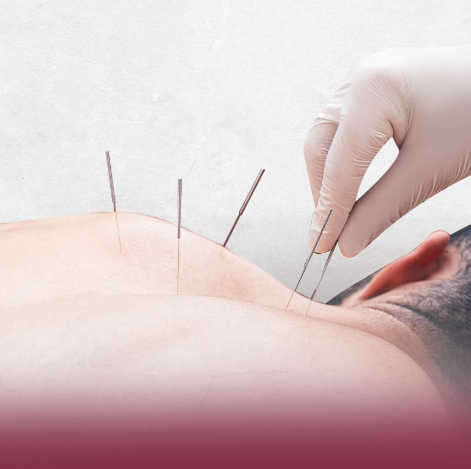
العلاج بالإبر الصينية هو أسلوب طب تقليدي يعتمد على إدخال إبر دقيقة في نقاط محددة من الجسم لتحفيز تدفق الطاقة الحيوية وتنشيط الجهاز العصبي

التغذية العلاجية هي مجموعة من الأساليب التي تهدف إلى تحسين صحة الجسم من خلال تناول الطعام المناسب والملائم لكل حالة صحية
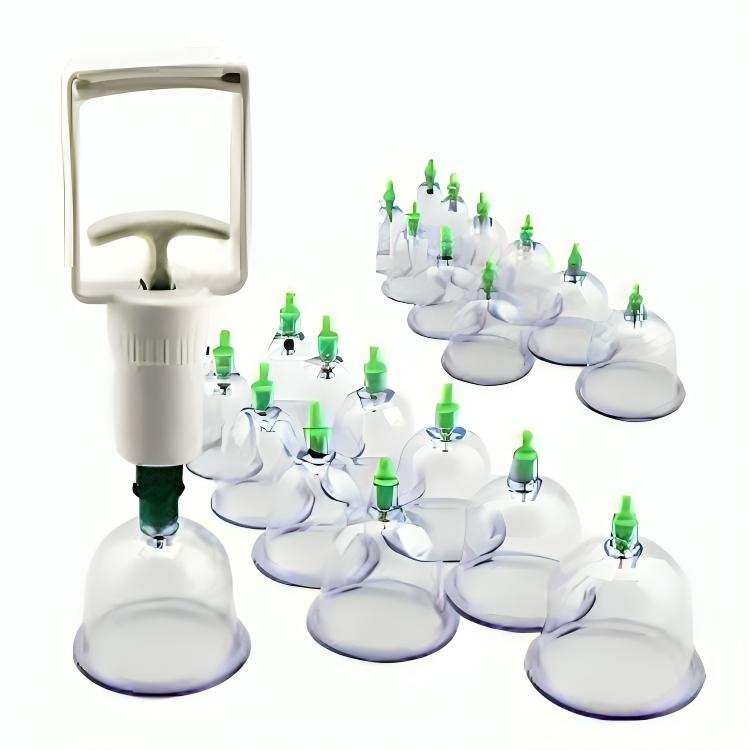
تُعد الحجامة من أقدم وأثبت التقنيات العلاجية التي مرّت عبر العصور لتصبح اليوم علاجًا علميًا متكاملاً
Suggested Results

Dr. Irini Asim Lotfy Consultant of Physical Therapy Clinical Nutrition Motor Rehabilitation in Sohag, Egypt Dr.... Read More: Dr. Irene Assem Lotfy
Physical therapy is a form of medical treatment aimed at improving movement, reducing pain, increasing strength, and restoring the ability to perform daily activities more effectively. Physical therapy relies on non-surgical techniques and, in some cases, without the need for medication. These techniques include therapeutic exercises, manual therapy, electrical stimulation, cold and heat therapy, specialized methods such as ultrasound, and many other treatments.
Physical therapy is not only for those suffering from physical injuries but also plays a significant role in preventing health problems and improving overall quality of life. Physical therapy offers a wide range of benefits, including:
- Improving Strength and Flexibility: It helps strengthen muscles and restore tissue flexibility after injury or surgery.
- Pain Reduction: Through techniques such as electrical stimulation, heat or cold therapy, and massage, physical therapy effectively reduces pain.
- Restoring Mobility: After injuries or surgeries, physical therapy helps improve the ability to perform daily activities.
- Injury Prevention: By teaching patients proper movement techniques and strengthening muscles that support joints, physical therapy helps prevent future injuries.
Manual Techniques: These are techniques used by physical therapists with their hands to move joints and tissues. These techniques include soft tissue massage, joint manipulation, and muscle stretching.
- Therapeutic Massage: Helps alleviate muscle tension and improve blood circulation, which in turn enhances tissue healing.
- Manual Stretching: Aims to improve the flexibility of muscles and joints, increasing their range of motion.
Manual therapy is often used to relieve pain, restore mobility, and accelerate the healing process following injuries or surgeries.
Electrical stimulation is used in physical therapy to reduce pain, enhance healing, and strengthen muscles. The types include:
-
Transcutaneous Electrical Nerve Stimulation (TENS): This helps reduce pain by sending electrical signals through the skin to the nerves, preventing pain signals from reaching the brain.
-
Deep Muscle Stimulation: Used in cases of muscle weakness, where the electrical device stimulates the muscles to strengthen them and increase muscle tissue volume.
-
Heat therapy: It contributes to improving blood circulation in the affected area, promoting healing, and reducing muscle tension. It is used in chronic conditions such as lower back pain.
-
Cold therapy: Used in acute injuries, such as sprains or muscle tears. It helps reduce swelling, inflammation, and joint irritation, contributing to faster healing.
-
Post-surgery therapy: After joint replacement or spinal surgery, physical therapy is an important part of the recovery process to restore movement.
-
Sports injury therapy: Treats ligament sprains, muscle tears, and tendonitis.
-
Pediatric therapy: Helps children overcome growth-related issues such as delayed walking, muscle tension, or coordination problems.
-
Geriatric therapy: Focuses on strengthening muscles, improving balance, and maintaining mobility to prevent falls.
Physical therapy plays a significant role in improving coordination and balance, especially for individuals who suffer from health issues that affect their ability to maintain balance. These conditions may include:
-
Dizziness: Dizziness caused by disorders in the inner ear or nervous system can lead to difficulty maintaining balance. Physical therapy uses techniques such as balance exercises and rehabilitation maneuvers to improve stability and reduce dizziness, helping patients stand and walk more effectively.
-
Stroke: After a stroke, patients may experience impaired coordination of movements. Physical therapy focuses on restoring motor coordination and flexibility through specialized techniques such as muscle strengthening and balance exercises. This helps in regaining motor functions and improving the ability to perform daily activities.
-
Parkinson's Disease: This condition leads to a deterioration of motor control, resulting in difficulty walking and maintaining balance. Specialized exercises are designed to improve fine motor control and balance while reducing muscle stiffness that can make movement more challenging. Exercises aimed at enhancing muscle strength and movement coordination are vital in helping reduce the risk of falls.
Physical therapy is not limited to treating injuries or acute issues; it also helps alleviate the symptoms of chronic diseases and improve quality of life:
Arthritis: Patients with arthritis often suffer from pain and stiffness in the joints. Does physical therapy help relieve pain? Yes, physical therapy helps alleviate pain by using techniques such as specific exercises that increase joint flexibility and reduce swelling. Strengthening exercises also help reinforce the muscles surrounding the joints, which reduces the load on them, improving movement and minimizing discomfort.
Diabetes: Patients with diabetes may struggle with controlling blood sugar levels and poor circulation. Does physical therapy help improve these symptoms? Yes, through regular exercises, physical therapy can enhance circulation and increase the flexibility of muscles and joints. It also helps reduce symptoms of muscle stiffness and improves the patient's ability to manage diabetes.
Physical therapy is generally safe, but some patients may experience temporary side effects such as:
Pain: Some patients may experience mild pain after sessions due to muscle stimulation or increased activity. This pain typically resolves within hours to a couple of days.
Swelling: Mild swelling may occur in the treated area due to increased blood flow or heightened muscle activity. This is usually temporary.
Fatigue: Occasionally, patients may feel fatigued after physical therapy sessions, especially if the exercises are intense or if therapy is part of a long-term rehabilitation plan.
If these symptoms are persistent or severe, it is recommended that the patient consult with the physical therapist to adjust the sessions according to their needs and provide the necessary guidance.
After undergoing surgery, the body requires rehabilitation to restore strength and movement. Physical therapy plays a key role in this by helping patients regain joint flexibility and strengthen muscles that may have weakened due to prolonged inactivity after surgery. Physical therapy also helps alleviate pain using techniques such as manual therapy or electrical stimulation. For surgeries that affect joints, such as joint replacement, physical therapy enables the patient to restore joint movement, reduce swelling, and improve daily performance. It also enhances the patient's independence in carrying out daily activities.
Arthritis, whether rheumatoid arthritis or osteoarthritis, causes severe pain and stiffness in the joints. Physical therapy helps patients by strengthening the muscles around the affected joint, which reduces pressure on the joint and enhances its stability. Stretching exercises contribute to increasing joint flexibility and improving the range of motion. Physical therapists may also use techniques such as therapeutic massage to reduce pain and inflammation. Additionally, physical therapy focuses on teaching patients proper body postures to minimize stress on the joints during daily activities.
Physical therapy is an effective treatment for many neurological conditions such as stroke, multiple sclerosis, and Parkinson's disease. It helps improve motor coordination and restores the patient's ability to move more freely. The treatment plan may include balance exercises, stretching, and strength-building exercises. For stroke patients, physical therapy focuses on retraining motor skills so that the patient can regain the ability to perform basic movements. Electrical stimulation techniques can also be used to stimulate damaged nerves and improve neurological function. Physical therapy significantly contributes to enhancing the quality of life for individuals with neurological diseases by increasing their independence in daily activities.
Physical therapy can be extremely beneficial in managing chronic pain caused by conditions such as chronic back pain, arthritis, and sports injuries. Techniques such as therapeutic massage and manual therapy are used to release muscle tension that causes pain. Additionally, physical therapy may involve electrical stimulation, which helps activate the nerves and reduce the sensation of pain. Stretching exercises and muscle strengthening also help improve the flexibility of joints and muscles, reducing pressure and tension. Physical therapy aims to treat the underlying pain and prevent the development of persistent pain in the long term by promoting body movement and restoring its normal function.
Treatment for spinal injuries focuses on improving range of motion, strengthening supporting muscles, and reducing pain. After a spinal injury, patients may experience muscle spasms, joint stiffness, or limited movement. Through strengthening exercises, physical therapy helps to build core muscles that support the spine, reducing pressure on the vertebrae. Manual therapy techniques are used to release restricted joints in the spine, which helps improve overall spinal movement. Patients are also taught proper body postures to avoid positions that put excessive pressure on the spine while sitting or standing.
Yes, physical therapy is one of the primary treatment options for neck and back pain. Through stretching exercises, the physical therapist works on improving spinal flexibility and relieving muscle tension. In cases of back or neck pain, the treatment plan may include techniques such as electrical stimulation to alleviate pain or therapeutic massage to reduce inflammation. Manual therapy can also be used to mobilize the joints and improve blood circulation, which contributes to faster healing. Strengthening exercises help support the spine by improving the muscle strength that supports the spine.
After a muscular or joint injury, physical therapy plays a crucial role in restoring muscle function. Strengthening exercises are used to regain the strength lost due to the injury. Stretching exercises also help restore flexibility in the muscles and joints. By improving muscle endurance, the patient can regain the ability to perform daily activities efficiently. Additionally, the therapist works to reduce swelling and pain using techniques like electrical stimulation or manual therapy, which accelerates the healing process.
Physical therapy is an effective tool for improving balance, especially for older adults or those experiencing balance issues. Through specialized exercises that focus on strengthening core muscles and improving coordination between nerves and muscles, the risk of falling can be significantly reduced. Physical therapists use techniques to stimulate the nervous system, which helps retrain the patient to improve their ability to stand and walk with greater stability. These techniques include exercises for flexibility, balance, and motor coordination, as well as improving joint mobility. Patients also learn how to manage daily situations that may pose a risk to their balance.
Physical therapy is one of the optimal options for managing tendonitis, as it helps reduce inflammation, alleviate pain, and improve movement in the affected area. Treatment begins with techniques such as ice or heat therapy to help reduce swelling and limit inflammation. Following that, the therapy may include flexible strengthening exercises targeting the muscles surrounding the tendon, which enhances joint support and reduces pressure on the injured tendons. The treatment may also involve techniques like therapeutic massage or electrical nerve stimulation, which improve blood flow and accelerate healing. Additionally, physical therapy can assist in teaching the patient how to avoid movements that could worsen the condition.
After surgery, patients typically experience muscle weakness due to prolonged rest or immobilization. Physical therapy involves specialized exercises designed to strengthen muscles and improve their efficiency. The treatment usually begins with gentle exercises to increase the range of motion and reduce joint stiffness, gradually progressing to strengthening exercises that are introduced slowly to avoid putting excessive pressure on healing tissues. Additionally, physical therapists teach patients techniques to improve posture and reduce strain on the affected muscles and joints. These treatments may include techniques such as electrical muscle stimulation or joint mobility exercises to accelerate recovery.
Physical therapy plays a key role in enhancing athletic performance by strengthening muscles and improving flexibility. The therapist begins by assessing the athlete’s individual needs and creates a comprehensive treatment plan that includes exercises to build muscle strength and improve endurance, as well as exercises to increase flexibility and facilitate free movement. The therapy also includes techniques to enhance balance and muscle coordination, reducing the likelihood of injuries during training or competition. Additionally, physical therapy can help athletes improve performance techniques, such as promoting proper posture during running or weightlifting, which contributes to increased movement efficiency. In cases of injury, physical therapy provides customized rehabilitation programs to ensure a quick and safe return to sports activities.
