

- Medical History and Clinical Examination: The doctor starts by reviewing the patient's symptoms and inquiring about their medical history.
- Nasal or Laryngeal Endoscopy: A small endoscope is used to closely examine the nose or throat to diagnose infections or tumors.
- Hearing Tests: For example, audiometry testing is used to determine the level of hearing loss.
- Laboratory Tests: Samples of nasal or throat secretions may be taken for laboratory analysis.
- CT Scans or MRI: These are used to examine the sinuses or inner ear in complex cases.
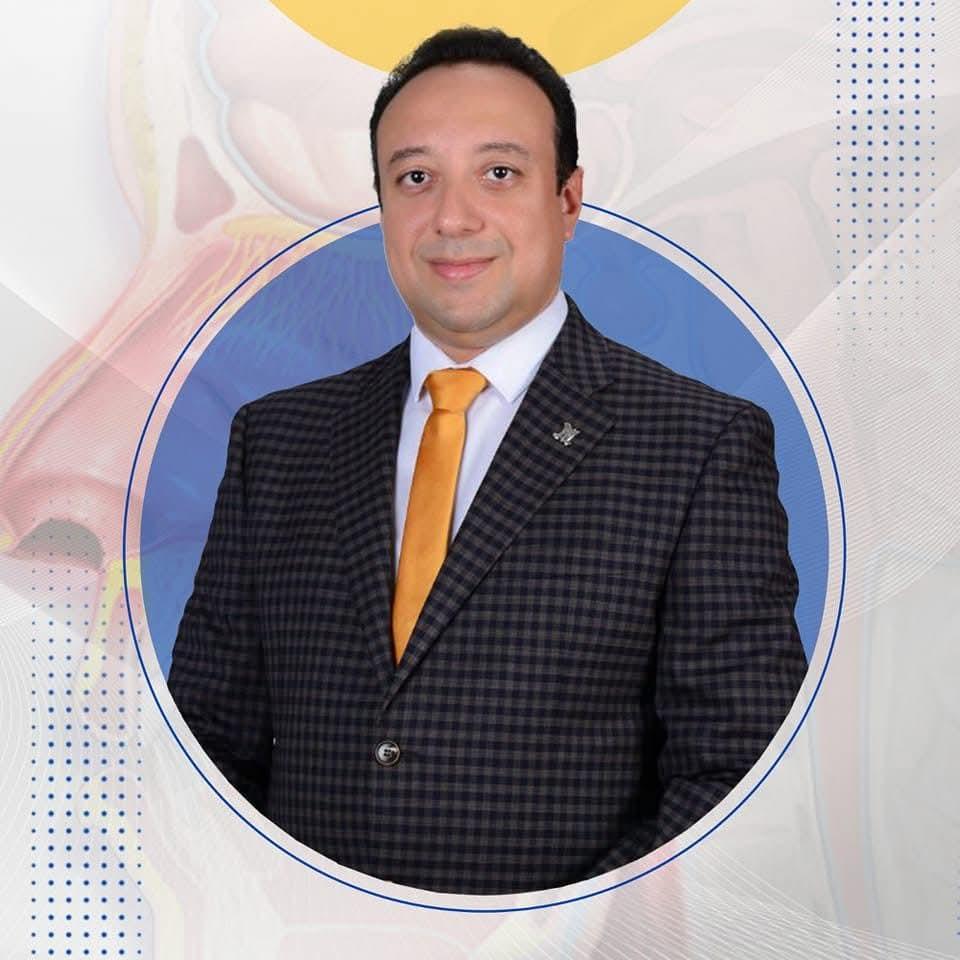
Dr. Mustafa Mahmoud Labib
Dr. Mustafa Mahmoud Labib
Egypt's #1 Verified Directory
Verified Information
Contact
Available Now
Address
Sohag City, Al-Jihad Street, branching off from Shabaan Al-Muslimeen Square, next to Al-Hilal Hospital, above Al-Salama Pharmacy., , Sohag
Overview
Consultant in Ear, Nose, and Throat (ENT)
Full Name
Dr. Mustafa Mahmoud Labib
City / Area
Sohag
Description
Dr. Mustafa Mahmoud Labib
Consultant in Ear, Nose, and Throat (ENT)
🎓 Academic Qualifications:
Master's Degree in Otorhinolaryngology (Master degree of Otorhinolaryngology)
Specializations and Treatments
🔬 Dr. Mustafa Mahmoud Labib offers the following specializations and treatments:
Tonsil Treatment: Treating tonsil inflammation with medication or surgery if needed.
Ear Wax Removal: Safely and effectively removing excess wax from the ears.
Microscopic Ear Surgery: Performing precise surgeries using a microscope to treat ear issues.
Eardrum Patching Surgery: Repairing a damaged eardrum in case of tears.
Microscopic Laryngeal Surgery: Treating laryngeal problems using advanced microscopic techniques.
Sinus Surgery (Endoscopic): Performing precise sinus surgeries through an endoscope.
Surgical Treatment for Eardrum Pressure: Surgical intervention to resolve abnormal pressure on the eardrum.
Middle Ear Reconstruction Surgery: Repairing middle ear issues resulting from damage or injury.
Snoring Treatment: Offering solutions and treatments for snoring and improving sleep quality.
Tongue Tie Surgery: Treating tongue tie (restricted tongue movement) in children and adults.
Tonsillectomy: Surgical removal of tonsils in cases of chronic inflammation.
Clinic Features
🏥 Clinic Features:
Elevator: Making it easier for patients to access the clinic.
TV Screen: For patient comfort during waiting times.
Air Conditioning: To ensure a comfortable environment for patients.
Location
📍 Address:
Sohag City, Al-Jihad Street, branching off from Shabaan Al-Muslimeen Square, next to Al-Hilal Hospital, above Al-Salama Pharmacy.
For Appointments and Inquiries
📞 Phone Number:
0109 224 0224
An otolaryngologist is a medical professional specialized in diagnosing and treating a wide range of health issues that affect the nose, ears, throat, and mouth. This specialty deals with various conditions such as ear infections, hearing disorders, breathing problems, hoarseness, snoring, swallowing disorders, and tumors of the nose or throat. Treatment may involve non-surgical methods such as medication and physical therapy, or surgical procedures in some cases.
Subspecialties: This specialty includes ear surgery, nasal surgery (such as septoplasty or sinus surgery), laryngeal surgery, and tumor treatment.
- Ear Infections: Such as middle ear infections that can cause pain or hearing problems.
- Sinusitis: A common issue causing nasal congestion, headaches, and difficulty breathing.
- Hearing Disorders: Such as hearing loss caused by ear infections or changes in the inner ear.
- Hoarseness: This can result from inflammation of the vocal cords or problems in the larynx.
- Nasal Congestion: Caused by inflammation or a deviated septum.
- Nasal and Throat Tumors: Both benign and malignant tumors that require accurate diagnosis and surgical treatment.
- Snoring and Sleep Apnea: These conditions are treated by otolaryngologists using breathing support devices or laryngeal surgery.
- Diagnosis and Treatment: The doctor can diagnose hearing loss using hearing tests.
- Medications: If there is an infection or inflammation in the ear, the doctor may recommend medications such as antibiotics.
- Hearing Aids: In cases of chronic hearing loss, the doctor may suggest using hearing aids or, in advanced cases, cochlear implants.
- Surgery: In some cases, surgery may be required to treat problems in the middle or inner ear, such as repairing a ruptured eardrum.
Laryngeal surgery is used to treat various conditions such as benign or cancerous tumors in the larynx or to repair vocal cord abnormalities. The surgery includes:
- Tumor removal: Removing benign or cancerous tumors in the larynx or vocal cords.
- Laryngeal dilation surgery: Expanding the airways in cases of laryngeal stenosis.
- Vocal cord repair: Treating issues affecting the voice, such as vocal cord paralysis.
Medications: Treatment for sinusitis includes antibiotics if the infection is bacterial, and decongestants to relieve nasal congestion.
Surgical treatment: In cases of chronic or refractory sinusitis, surgery may be required to address blockages or to drain the sinuses.
Natural treatments: Nasal irrigation with saline (nasal rinse) is often recommended to help alleviate congestion and improve sinus drainage.
Behavioral treatment: Such as changing sleep positions to avoid sleeping on the back and weight loss.
Surgery: May be necessary in severe cases where excess tissue is removed or the nasal septum is repaired.
Therapeutic devices: A CPAP device is used to provide a continuous airflow to prevent sleep apnea and snoring.
- Voice rest: Reducing voice use helps alleviate swelling and inflammation of the vocal cords.
- Voice therapy: Techniques to improve voice quality through vocal cord training and reducing strain.
- Medications: Medications to reduce inflammation, such as steroids, or antacids in cases of throat irritation.
- Surgery: In cases of tumors or abnormalities in the vocal cords.
Dentists
Cosmetic Doctors
Ophthalmologists
Orthopedic Doctors
Pediatricians
Neuro and spine surgery
Internal doctors
Cardiologists
Ear, nose and throat doctors
Nephrologists and urologists
Psychiatrists
Gynecologists and obstetricians
Plastic surgery doctors
Endocrinologists
Physiotherapists
Dermatologists
Gastroenterologists and Hepatologists
Hematologists and Hemato-Oncologists
Chest and respiratory doctors
Speech, voice and swallowing doctors
Gastric sleeve and gastric bypass doctors
Pancreatic surgeons
Psychiatrists who treat addiction
Doctors for chronic wounds, bed sores and diabetic foot
Nutritionists and weight loss doctors
General surgeons
Doctorate of Geriatrics
Diabetologists and endocrinologists
Allergists and immunologists
Pain medicine doctor
Pediatric Surgeons
اطفال الانابيب والعقم والجراحة بالمنظار
Veterinarians
Vascular Surgery
