
All details about Dr. Mohamed Nabil are available on his official profile on Misr Connect.
📞 01555561505


"Physiotherapist & Rehabilitation Doctor"
6th of October – 7th District – Abu Bakr Al-Siddiq Street – Building 29A, 6 October, Cairo
Location
Dr. Mohamed – Best Physiotherapist & Rehabilitation Doctor in 6th of October. Specialized in sports injuries, disc herniation, scoliosis, and advanced manual therapy. Innovative treatment programs for all cases.
Dr. Mohamed Nabeel is recognized as the best physiotherapist & rehabilitation doctor in 6th of October, specializing in treating and rehabilitating sports injuries, herniated discs, and spine & knee problems. He holds a Doctorate in Physical Therapy (DPT) with a specialization in sports injuries, enabling him to handle complex motor and sports cases.
Dr. Mohamed began his career at the Faculty of Physical Therapy with honors and pursued postgraduate studies in sports rehabilitation and sports injuries. He focused on combining theoretical knowledge with practical experience, making him a pioneer in developing innovative therapeutic protocols for complex and chronic cases.

Dr. Mohamed believes that:
The human body is a complex machine that requires deep understanding and patience for proper rehabilitation.
His therapeutic philosophy relies on a holistic approach: treating the cause, not just the symptoms, and restoring the body’s natural balance.
4000+ ACL cases successfully rehabilitated
5000+ herniated disc patients returned to normal life
3000+ spine deformity cases improved
4000+ pelvic joint disorders treated
95% success rate in chronic cases
50+ specialized therapy programs developed
1000+ professional athletes rehabilitated to return to the field

ACL & PCL rehabilitation
Treatment of meniscus & collateral ligament injuries
Managing cartilage wear and pre/post-surgery joint programs
Rotator cuff tear treatment & shoulder injuries
Rehabilitation of elbow & wrist injuries
Treatment of acute & chronic impingement syndrome
Non-surgical treatment programs: advanced traction, manual therapy, re-centralization exercises, prevention of recurrent herniation
Treatment of scoliosis, kyphosis, and lordosis
Posture and alignment improvement programs
Treatment of congenital and acquired spinal curvatures
Treatment of pelvic and sacroiliac joint imbalances
Muscle balance programs & postnatal rehabilitation
Treatment of degenerative joint inflammation & cartilage reconstruction

Advanced Manual Therapy: joint mobilization, Mulligan techniques, Australian, British, and American methods, and Canadian programs
Specialized Exercise Therapy: movement rehabilitation, strength exercises, balance, deep sensory awareness, therapeutic Pilates, Schroth method for scoliosis, aquatic therapy
Modern Techniques: Dry Needling, superficial & deep acupuncture, trigger points, ultrasound, electrotherapy, low-level laser therapy
🎯 Certified Practitioner from the International Mulligan Concept School
Dr. Mohamed Nabil is highly specialized in MWM – Mobilization With Movement, applying pain-free joint mobilization techniques that instantly improve mobility and reduce chronic or acute pain.
His expertise includes:
✔ Joint release techniques
✔ Movement correction
✔ Chronic pain management
✔ Spine and peripheral joint treatment
👨⚕️ Widely experienced in sports rehabilitation and rapid return-to-play programs.
🩺 Certified Specialist in Dry Needling Therapy
Expert in treating:
✔ Trigger Points
✔ Muscle spasms
✔ Acute and chronic muscular pain
✔ Neuro-muscular dysfunction after injuries or strokes
Applies advanced dry needling protocols to enhance muscle activation, reduce pain, and restore mobility efficiently.
💠 Certified Schroth Method Practitioner
Specialized in non-surgical scoliosis rehabilitation through:
✨ Rotational breathing techniques
✨ Muscular correction
✨ Spine alignment and posture optimization
✨ Strengthening spinal stabilizers
One of the globally recognized approaches in scoliosis treatment without surgery.
🏅 Certified Practitioner from the Rigo Concept – BSPTS School
Experienced in:
✔ Evaluating spine deformities
✔ Identifying structural imbalances
✔ Applying scientifically proven scoliosis correction protocols
✔ Improving spine stability and body posture
⚽ International Certification in Sports-focused Mulligan Techniques
Expert in:
✔ Treating athletic injuries
✔ Enhancing functional movement
✔ Improving performance
✔ Pain-free return-to-sport strategies
🧠 Certificate in Spinal Manual Therapy – Australian Manual Therapy School
Specialist in:
✔ Clinical joint assessment
✔ Movement biomechanics analysis
✔ Advanced manual therapy techniques
✔ Personalized rehabilitation plans based on precise clinical diagnosis
🔬 Specialist in Electromyography & Nerve Conduction Studies
Expert in diagnosing:
✔ Peripheral nerve disorders
✔ Muscle weakness
✔ Radiculopathy
✔ Sensory-motor nerve conduction disorders
These assessments support accurate diagnosis and targeted treatment planning.
👣 Certified Practitioner in Manual Therapy for Foot Disorders – United Kingdom
Treatment expertise includes:
✔ Flat foot
✔ Plantar fasciitis
✔ Heel pain
✔ Gait abnormalities
✔ Foot biomechanical dysfunction
🌬️ Certified in Respiratory Physiotherapy
Competent in:
✔ Post-operative respiratory rehabilitation
✔ Improving chest wall mobility
✔ Treating respiratory dysfunction
✔ Enhancing lung capacity for patients and athletes
🎓 Advanced Certification in Modern Physiotherapy & Evidence-based Rehabilitation
Covers:
✔ Updated clinical techniques
✔ Advanced assessment skills
✔ Modern rehabilitation strategies
📌 Specialist in Posture Analysis & Biomechanical Correction
Expert in:
✔ Detecting postural imbalances
✔ Identifying movement dysfunctions
✔ Creating personalized posture correction programs
✔ Preventing recurring injuries
🔄 Certified in Continuing Professional Development (CPD)
Ensures continuous updating of clinical knowledge and advanced hands-on skills.
🏆 Advanced International Certification in Scoliosis Management
Qualified in the latest Schroth Best Practice protocols for precise spine correction.
🗂️ Specialist in Case Management & Clinical Treatment Tracking
Ensures:
✔ Accurate patient monitoring
✔ Protocol consistency
✔ Optimized treatment outcomes
🔖 A professional certificate demonstrating high ethical standards and a clean professional record.
🎫 Certified by the Egyptian Physical Therapy Syndicate to practice professionally within Egypt.
👏 Recognition for active participation in professional training programs, workshops, and medical events.

Phase 1 (0-2 weeks): pain control, range of motion restoration, muscle activation
Phase 2 (2-6 weeks): progressive strengthening, balance & stability improvement
Phase 3 (6-12 weeks): advanced strength, gait & movement training
Phase 4 (3-6 months): return to sports, field return tests, prevention programs
Comprehensive assessment & advanced clinical examination
Radiological imaging & neurological function analysis
Decompression programs, re-centralization exercises, specialized strengthening

Physical Dimension: strength, flexibility, balance, muscular endurance
Functional Dimension: daily activities performance, return to work & sports, quality of life improvement
Psychological Dimension: self-confidence, reduced fear of movement, motivation enhancement & psychological support
"My chronic back pain disappeared in just 3 months" – Ahmed S.
"ACL rehabilitation brought me back to the field stronger than before" – Mohamed A.
"Schroth method for scoliosis saved my daughter from surgery" – Umm Yasmin
Research on non-surgical scoliosis treatment
Studies on ACL rehabilitation
Scientific papers on manual therapy
Participation in international conferences
Accumulated Experience: 18 years of clinical practice, thousands of successful cases
Technical Excellence: latest global techniques, innovative therapy programs
Personalized Approach: individual attention to each patient, careful follow-up, psychological & emotional support

A therapeutic environment equipped with the latest devices
Spaces for exercise therapy & manual therapy
A distinguished team of specialists, assistants, and technical managers
Working Hours: Sun-Thu: 9 AM – 9 PM | Fri: 10 AM – 4 PM | Sat: Closed
Booking Methods: Phone, WhatsApp, Direct Visit, Via Apps
Contact: 01555561505
| 6th of October – 7th District – Abu Bakr Al-Siddiq Street – Building 29A


"If you are looking for the best doctor for treating spinal deformities in 6th of October | Dr. Mohamed Nabil Spinal deformities are among the most common conditions that affect quality of life."

If you are looking for the best specialist doctor for non-surgical herniated disc treatment in 6th of October using the latest international therapeutic techniques, Dr. Mohamed Nabil is considered your top choice. With over 18 years of experience in treating and rehabilitating the spine, herniated discs, and chronic back pain, he provides comprehensive, advanced care tailored to each patient.

If you are looking for the best specialist doctor for ACL (anterior cruciate ligament) treatment and rehabilitation in 6th of October City, your top and most trusted choice is Dr. Mohamed Nabil, a physical therapy and sports rehabilitation specialist with over 18 years of experience in treating knee injuries, ACL rehabilitation, and advanced sports injuries.

Many people suffer from chronic headaches and often think the cause is always stress or eye problems, but the truth is that neck dysfunction, especially the first and second vertebrae, may be the main cause. In this article, we review the role of physiotherapy in evaluating, diagnosing, and treating headaches with Dr. Mohamed Nabil, the best physiotherapist and rehabilitation specialist in 6th of October.
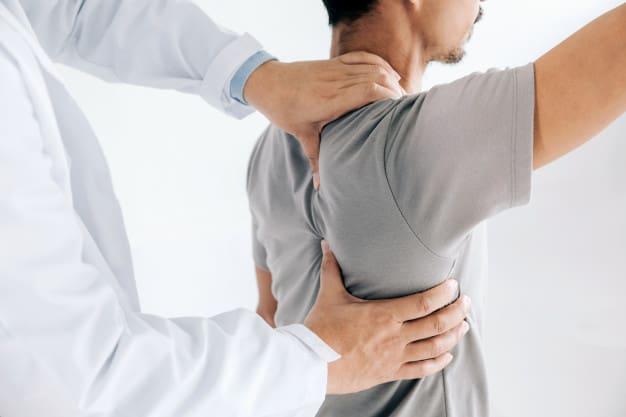
Learn when to start physiotherapy and how it helps treat back and neck pain effectively without surgery.
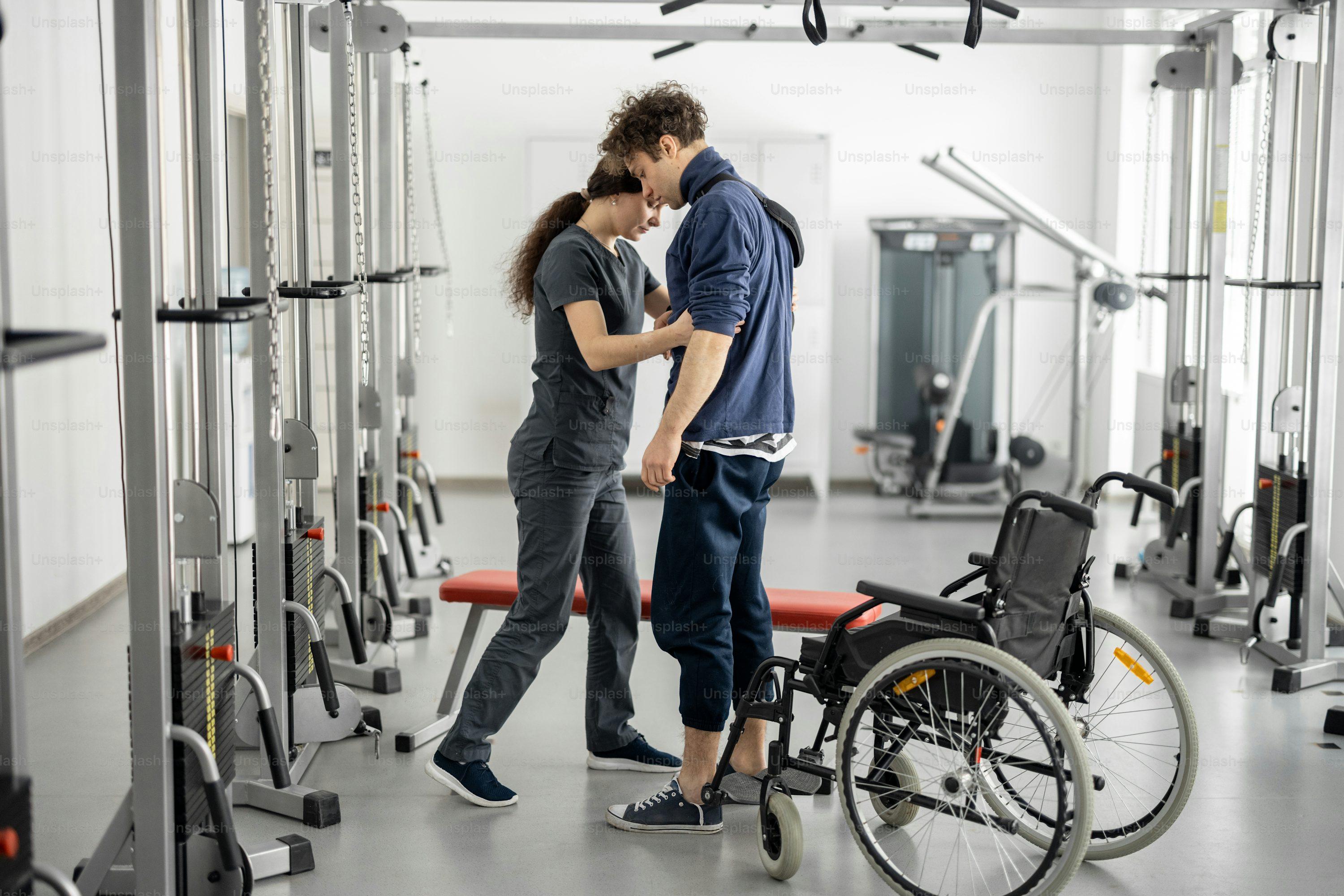
Dr. Mohamed Nabil is a physiotherapy and rehabilitation specialist practicing in 6 October City, Cairo, Egypt. He provides clinical services focused on improving mobility, reducing pain, and supporting patients during recovery after injuries or surgical procedures, based on accurate assessment and individualized treatment plans.
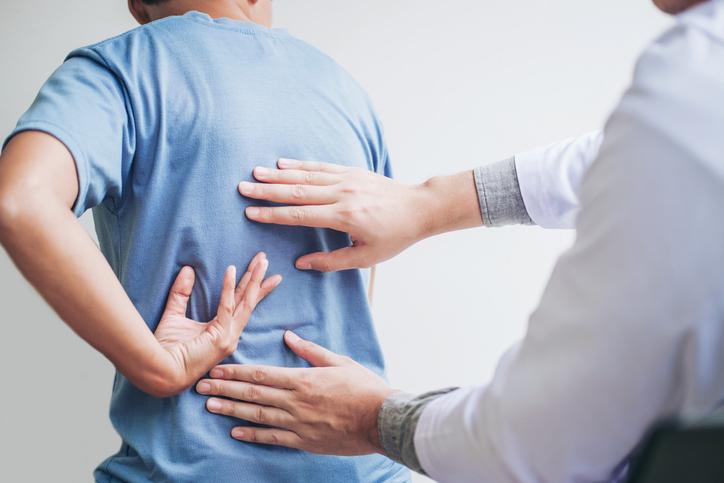
If you are suffering from back pain, sports injuries, or difficulty in daily movement, choosing the right physiotherapy specialist is an essential step in the recovery process. Dr. Mohamed Nabil is a physiotherapy and rehabilitation specialist in 6 October City, Egypt, providing treatment based on accurate assessment and individualized rehabilitation plans.
Spinal pain is one of the most common musculoskeletal problems in modern life. It affects people of all ages due to poor lifestyle habits, lack of physical activity, prolonged sitting, or injuries. It can significantly impact daily activities and quality of life.
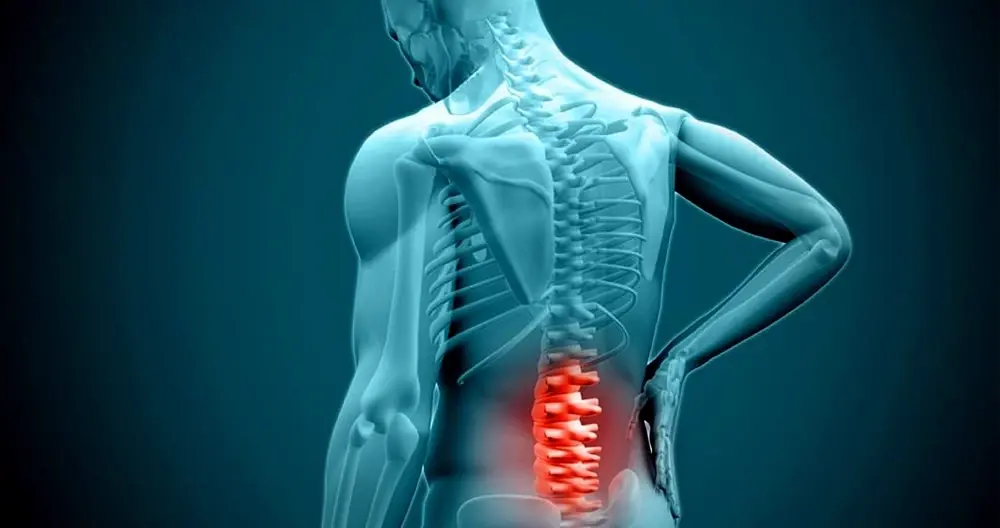
A herniated disc is one of the most common spinal conditions. It occurs when part of the disc between the vertebrae slips or ruptures, putting pressure on nearby nerves. This can cause pain in the back or neck, and in some cases, pain radiating to the arms or legs.
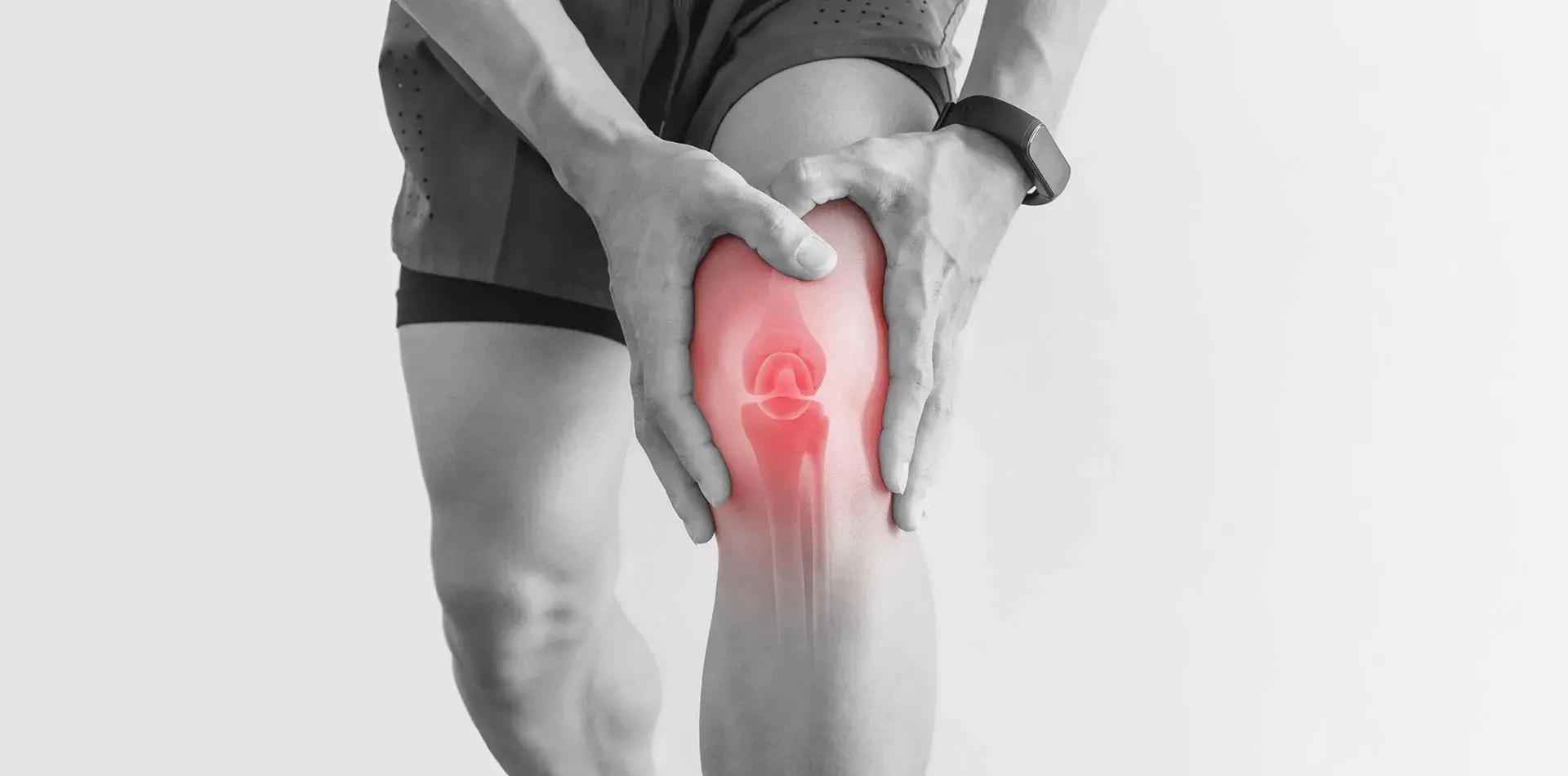
Knee injuries are among the most common musculoskeletal problems affecting people of all ages. The knee joint is highly important for movement, walking, and daily activities, which makes it vulnerable to injuries caused by sports, accidents, or repetitive stress.
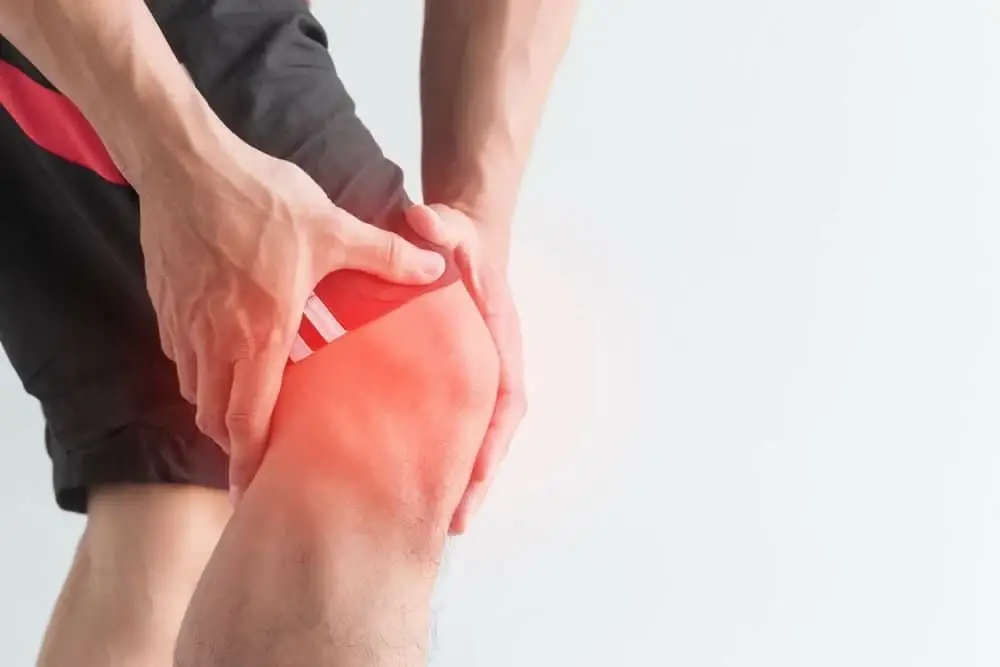
Sports injuries are among the most common conditions affecting athletes of all levels, whether professionals or amateurs. They occur due to intense physical activity, sudden movements, rapid direction changes, or excessive strain on muscles, ligaments, and joints.
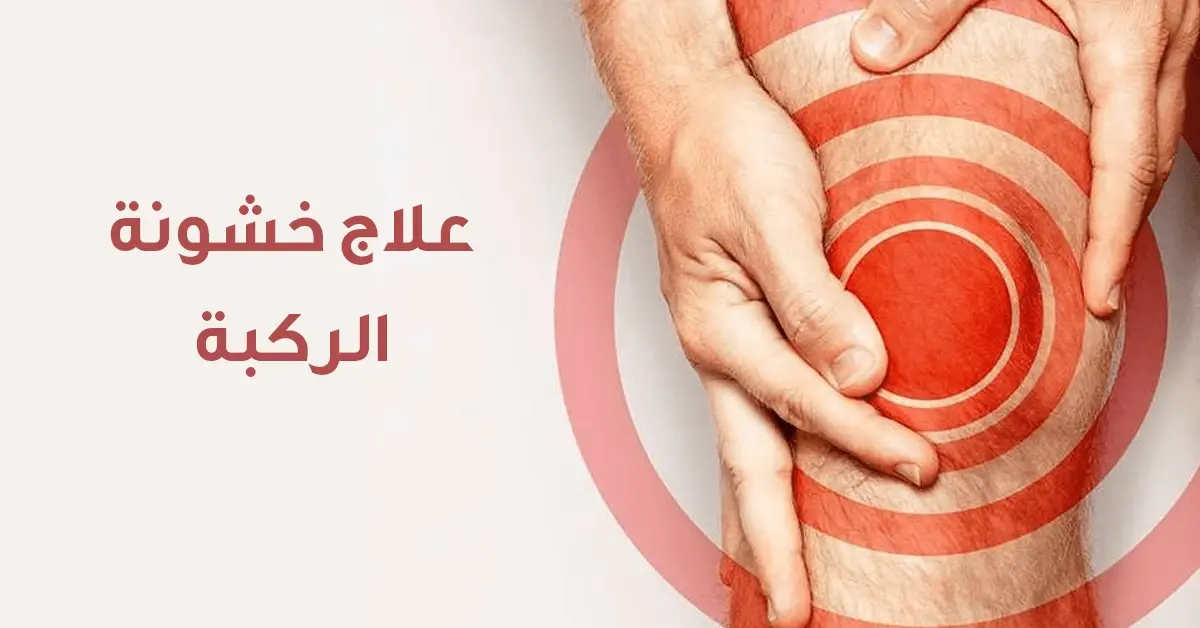
Osteoarthritis is one of the most common chronic joint diseases, especially among older adults, although it can also affect younger individuals due to factors such as repetitive stress or previous injuries. It occurs when the cartilage that covers the ends of bones inside a joint gradually wears down, leading to bone-on-bone friction, pain, and stiffness.
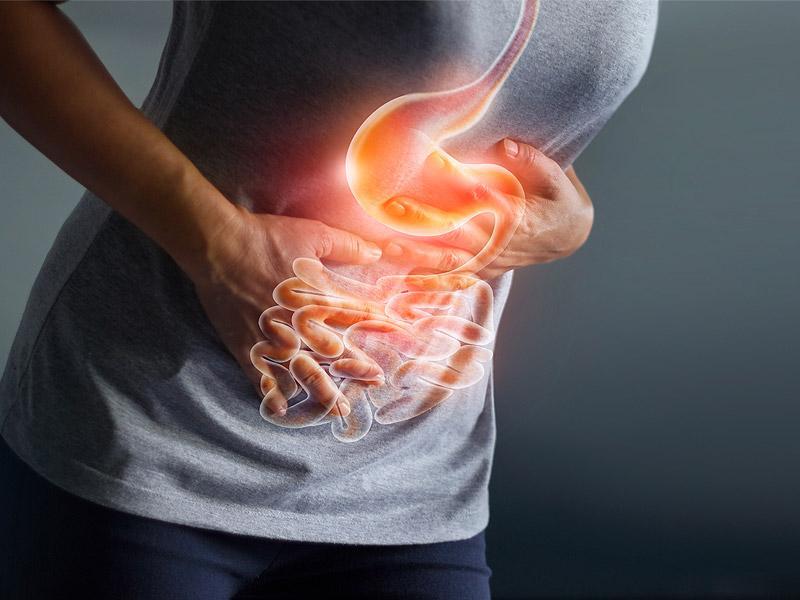
Postural disorders are among the most common musculoskeletal problems in modern life, especially with the increasing dependence on long hours of sitting in front of computers, mobile devices, and office work. This lifestyle leads to abnormal body alignment, which creates uneven pressure on the spine, muscles, and joints.

Learn about advanced ACL rehabilitation programs with Dr. Mohamed Nabil and specialized medical tourism services for patients from Egypt and abroad using the latest international rehabilitation protocols.
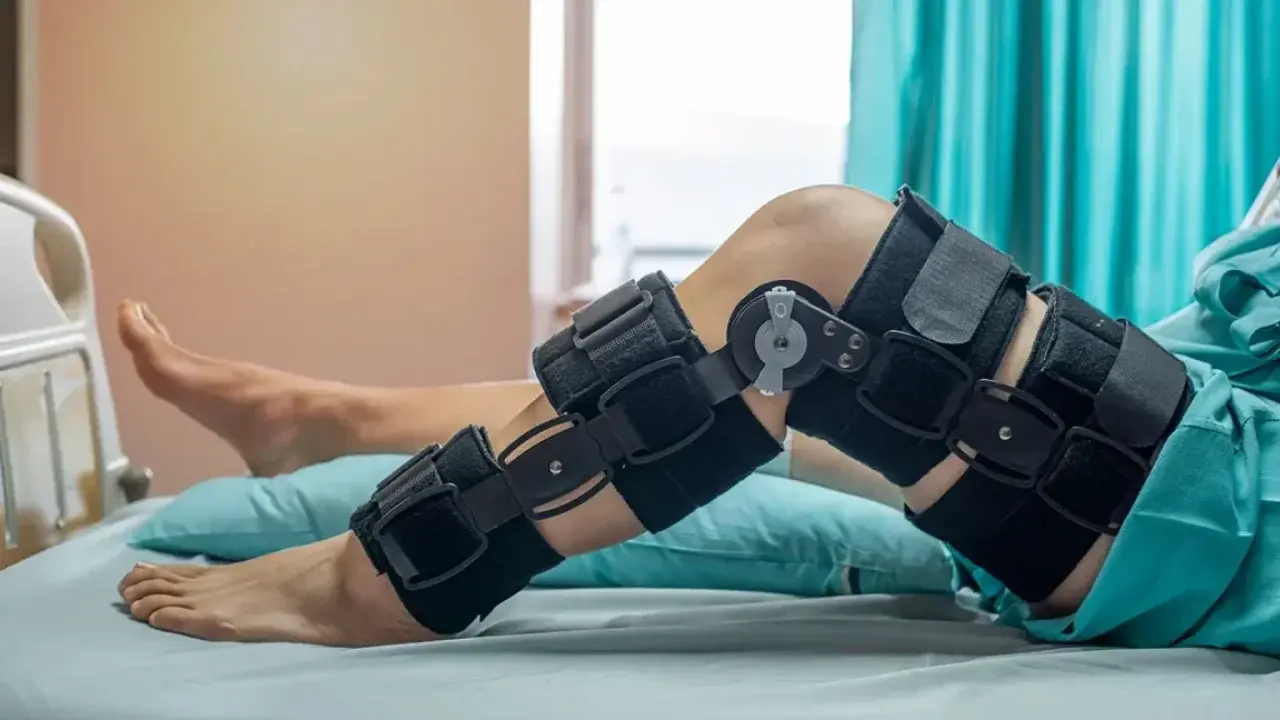
Looking for the best ACL rehabilitation program in 6th of October City after surgery? Learn about the latest recovery stages, advanced physical therapy techniques, and how Dr. Mohamed Nabil helps patients regain knee strength, restore mobility, and safely return to sports and everyday life.
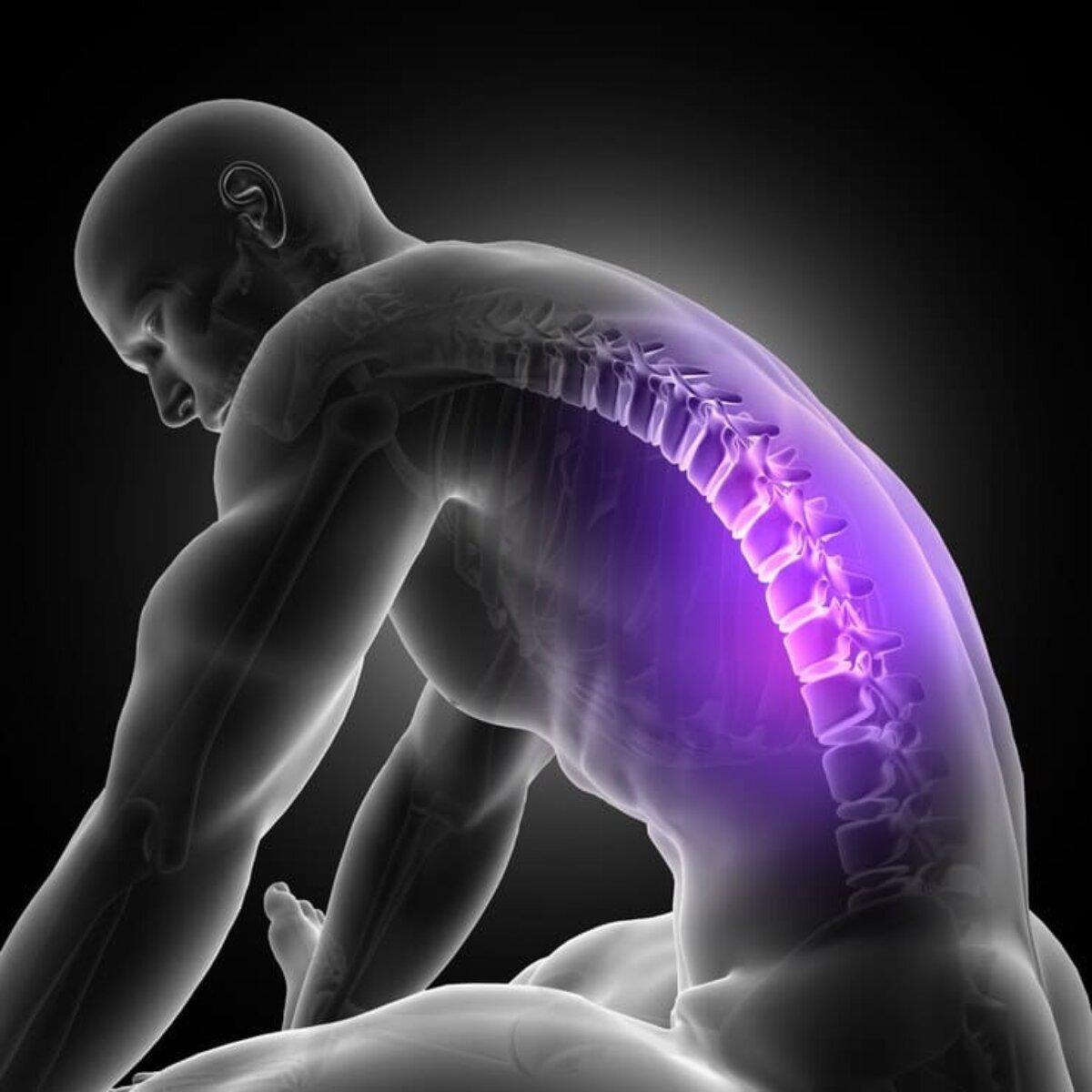
Discover Dr. Mohamed Nabil’s services in spinal deformity treatment, providing accurate diagnosis and specialized treatment plans to improve back health, reduce pain, and restore mobility using advanced medical approaches in 6th of October City.
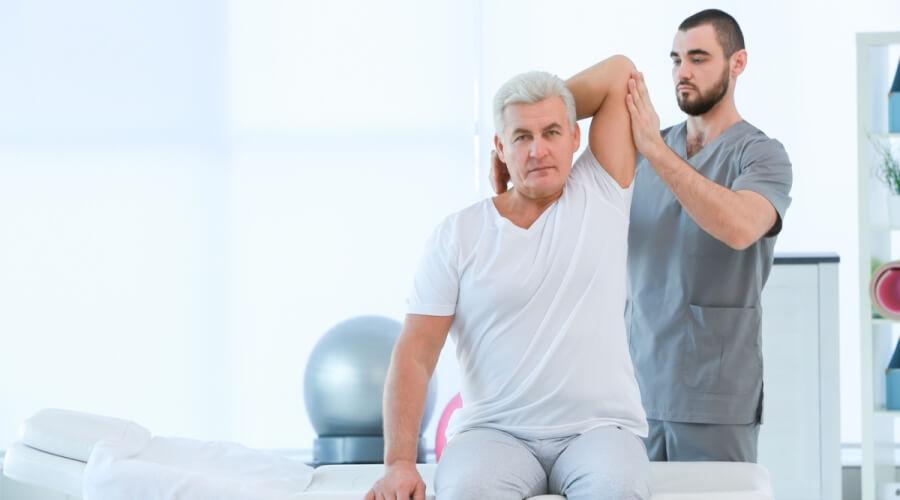
Discover post-surgical motor rehabilitation in 6th of October with Dr. Mohamed Nabil, a physical therapy and rehabilitation specialist offering progressive rehabilitation programs designed to improve muscle strength, range of motion, balance, and daily movement after surgery.
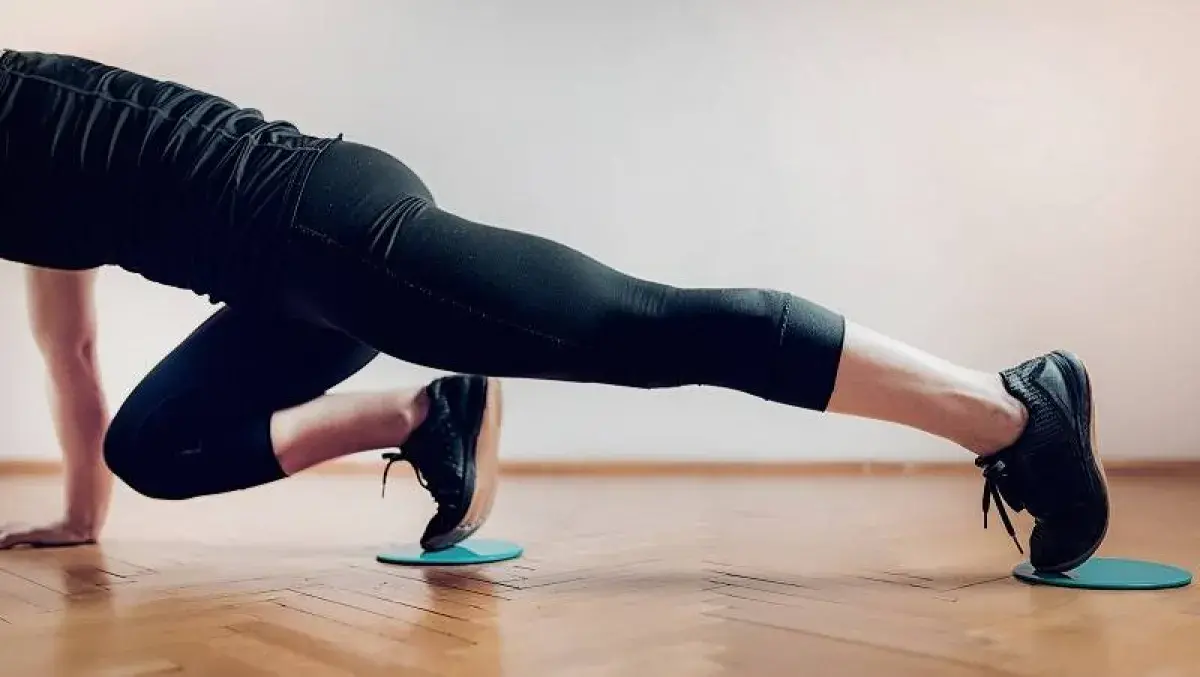
Dr. Mohamed Nabil provides ACL rehabilitation services in 6th of October, focusing on assessing the knee and gradually restoring movement, strength, and stability after an ACL injury or surgery according to each patient's needs.
Physical therapy is a form of medical treatment aimed at improving movement, reducing pain, increasing strength, and restoring the ability to perform daily activities more effectively. Physical therapy relies on non-surgical techniques and, in some cases, without the need for medication. These techniques include therapeutic exercises, manual therapy, electrical stimulation, cold and heat therapy, specialized methods such as ultrasound, and many other treatments.
Physical therapy is not only for those suffering from physical injuries but also plays a significant role in preventing health problems and improving overall quality of life. Physical therapy offers a wide range of benefits, including:
Manual Techniques: These are techniques used by physical therapists with their hands to move joints and tissues. These techniques include soft tissue massage, joint manipulation, and muscle stretching.
Manual therapy is often used to relieve pain, restore mobility, and accelerate the healing process following injuries or surgeries.
Electrical stimulation is used in physical therapy to reduce pain, enhance healing, and strengthen muscles. The types include:
Transcutaneous Electrical Nerve Stimulation (TENS): This helps reduce pain by sending electrical signals through the skin to the nerves, preventing pain signals from reaching the brain.
Deep Muscle Stimulation: Used in cases of muscle weakness, where the electrical device stimulates the muscles to strengthen them and increase muscle tissue volume.
Heat therapy: It contributes to improving blood circulation in the affected area, promoting healing, and reducing muscle tension. It is used in chronic conditions such as lower back pain.
Cold therapy: Used in acute injuries, such as sprains or muscle tears. It helps reduce swelling, inflammation, and joint irritation, contributing to faster healing.
Post-surgery therapy: After joint replacement or spinal surgery, physical therapy is an important part of the recovery process to restore movement.
Sports injury therapy: Treats ligament sprains, muscle tears, and tendonitis.
Pediatric therapy: Helps children overcome growth-related issues such as delayed walking, muscle tension, or coordination problems.
Geriatric therapy: Focuses on strengthening muscles, improving balance, and maintaining mobility to prevent falls.
Physical therapy plays a significant role in improving coordination and balance, especially for individuals who suffer from health issues that affect their ability to maintain balance. These conditions may include:
Dizziness: Dizziness caused by disorders in the inner ear or nervous system can lead to difficulty maintaining balance. Physical therapy uses techniques such as balance exercises and rehabilitation maneuvers to improve stability and reduce dizziness, helping patients stand and walk more effectively.
Stroke: After a stroke, patients may experience impaired coordination of movements. Physical therapy focuses on restoring motor coordination and flexibility through specialized techniques such as muscle strengthening and balance exercises. This helps in regaining motor functions and improving the ability to perform daily activities.
Parkinson's Disease: This condition leads to a deterioration of motor control, resulting in difficulty walking and maintaining balance. Specialized exercises are designed to improve fine motor control and balance while reducing muscle stiffness that can make movement more challenging. Exercises aimed at enhancing muscle strength and movement coordination are vital in helping reduce the risk of falls.
Physical therapy is not limited to treating injuries or acute issues; it also helps alleviate the symptoms of chronic diseases and improve quality of life:
Arthritis: Patients with arthritis often suffer from pain and stiffness in the joints. Does physical therapy help relieve pain? Yes, physical therapy helps alleviate pain by using techniques such as specific exercises that increase joint flexibility and reduce swelling. Strengthening exercises also help reinforce the muscles surrounding the joints, which reduces the load on them, improving movement and minimizing discomfort.
Diabetes: Patients with diabetes may struggle with controlling blood sugar levels and poor circulation. Does physical therapy help improve these symptoms? Yes, through regular exercises, physical therapy can enhance circulation and increase the flexibility of muscles and joints. It also helps reduce symptoms of muscle stiffness and improves the patient's ability to manage diabetes.
Physical therapy is generally safe, but some patients may experience temporary side effects such as:
Pain: Some patients may experience mild pain after sessions due to muscle stimulation or increased activity. This pain typically resolves within hours to a couple of days.
Swelling: Mild swelling may occur in the treated area due to increased blood flow or heightened muscle activity. This is usually temporary.
Fatigue: Occasionally, patients may feel fatigued after physical therapy sessions, especially if the exercises are intense or if therapy is part of a long-term rehabilitation plan.
If these symptoms are persistent or severe, it is recommended that the patient consult with the physical therapist to adjust the sessions according to their needs and provide the necessary guidance.
After undergoing surgery, the body requires rehabilitation to restore strength and movement. Physical therapy plays a key role in this by helping patients regain joint flexibility and strengthen muscles that may have weakened due to prolonged inactivity after surgery. Physical therapy also helps alleviate pain using techniques such as manual therapy or electrical stimulation. For surgeries that affect joints, such as joint replacement, physical therapy enables the patient to restore joint movement, reduce swelling, and improve daily performance. It also enhances the patient's independence in carrying out daily activities.
Arthritis, whether rheumatoid arthritis or osteoarthritis, causes severe pain and stiffness in the joints. Physical therapy helps patients by strengthening the muscles around the affected joint, which reduces pressure on the joint and enhances its stability. Stretching exercises contribute to increasing joint flexibility and improving the range of motion. Physical therapists may also use techniques such as therapeutic massage to reduce pain and inflammation. Additionally, physical therapy focuses on teaching patients proper body postures to minimize stress on the joints during daily activities.
Physical therapy is an effective treatment for many neurological conditions such as stroke, multiple sclerosis, and Parkinson's disease. It helps improve motor coordination and restores the patient's ability to move more freely. The treatment plan may include balance exercises, stretching, and strength-building exercises. For stroke patients, physical therapy focuses on retraining motor skills so that the patient can regain the ability to perform basic movements. Electrical stimulation techniques can also be used to stimulate damaged nerves and improve neurological function. Physical therapy significantly contributes to enhancing the quality of life for individuals with neurological diseases by increasing their independence in daily activities.
Physical therapy can be extremely beneficial in managing chronic pain caused by conditions such as chronic back pain, arthritis, and sports injuries. Techniques such as therapeutic massage and manual therapy are used to release muscle tension that causes pain. Additionally, physical therapy may involve electrical stimulation, which helps activate the nerves and reduce the sensation of pain. Stretching exercises and muscle strengthening also help improve the flexibility of joints and muscles, reducing pressure and tension. Physical therapy aims to treat the underlying pain and prevent the development of persistent pain in the long term by promoting body movement and restoring its normal function.
Treatment for spinal injuries focuses on improving range of motion, strengthening supporting muscles, and reducing pain. After a spinal injury, patients may experience muscle spasms, joint stiffness, or limited movement. Through strengthening exercises, physical therapy helps to build core muscles that support the spine, reducing pressure on the vertebrae. Manual therapy techniques are used to release restricted joints in the spine, which helps improve overall spinal movement. Patients are also taught proper body postures to avoid positions that put excessive pressure on the spine while sitting or standing.
Yes, physical therapy is one of the primary treatment options for neck and back pain. Through stretching exercises, the physical therapist works on improving spinal flexibility and relieving muscle tension. In cases of back or neck pain, the treatment plan may include techniques such as electrical stimulation to alleviate pain or therapeutic massage to reduce inflammation. Manual therapy can also be used to mobilize the joints and improve blood circulation, which contributes to faster healing. Strengthening exercises help support the spine by improving the muscle strength that supports the spine.
After a muscular or joint injury, physical therapy plays a crucial role in restoring muscle function. Strengthening exercises are used to regain the strength lost due to the injury. Stretching exercises also help restore flexibility in the muscles and joints. By improving muscle endurance, the patient can regain the ability to perform daily activities efficiently. Additionally, the therapist works to reduce swelling and pain using techniques like electrical stimulation or manual therapy, which accelerates the healing process.
Physical therapy is an effective tool for improving balance, especially for older adults or those experiencing balance issues. Through specialized exercises that focus on strengthening core muscles and improving coordination between nerves and muscles, the risk of falling can be significantly reduced. Physical therapists use techniques to stimulate the nervous system, which helps retrain the patient to improve their ability to stand and walk with greater stability. These techniques include exercises for flexibility, balance, and motor coordination, as well as improving joint mobility. Patients also learn how to manage daily situations that may pose a risk to their balance.
Physical therapy is one of the optimal options for managing tendonitis, as it helps reduce inflammation, alleviate pain, and improve movement in the affected area. Treatment begins with techniques such as ice or heat therapy to help reduce swelling and limit inflammation. Following that, the therapy may include flexible strengthening exercises targeting the muscles surrounding the tendon, which enhances joint support and reduces pressure on the injured tendons. The treatment may also involve techniques like therapeutic massage or electrical nerve stimulation, which improve blood flow and accelerate healing. Additionally, physical therapy can assist in teaching the patient how to avoid movements that could worsen the condition.
After surgery, patients typically experience muscle weakness due to prolonged rest or immobilization. Physical therapy involves specialized exercises designed to strengthen muscles and improve their efficiency. The treatment usually begins with gentle exercises to increase the range of motion and reduce joint stiffness, gradually progressing to strengthening exercises that are introduced slowly to avoid putting excessive pressure on healing tissues. Additionally, physical therapists teach patients techniques to improve posture and reduce strain on the affected muscles and joints. These treatments may include techniques such as electrical muscle stimulation or joint mobility exercises to accelerate recovery.
Physical therapy plays a key role in enhancing athletic performance by strengthening muscles and improving flexibility. The therapist begins by assessing the athlete’s individual needs and creates a comprehensive treatment plan that includes exercises to build muscle strength and improve endurance, as well as exercises to increase flexibility and facilitate free movement. The therapy also includes techniques to enhance balance and muscle coordination, reducing the likelihood of injuries during training or competition. Additionally, physical therapy can help athletes improve performance techniques, such as promoting proper posture during running or weightlifting, which contributes to increased movement efficiency. In cases of injury, physical therapy provides customized rehabilitation programs to ensure a quick and safe return to sports activities.
Join us now and start developing your business, ensure your best appearance on search engines, and attract the largest number of potential customers.
Contact us now and get the best offers and services provided by Misr Connect!
