Dr. Amr El-Gazzar

Dr. Amr El-Gazzar

Dr. Amr El-Gazzar

Gastroenterologists and Hepatologists Giza, Mohandisin
Egypt's #1 Verified Directory Verified Information
Contact
Available Now
Book Appointment / Phone
Address

34 Arab League Street, in front of Zamalek Club and CIB Bank, and above Qabbani Furniture, 13th floor, Cairo., Mohandisin, Giza

Follow Us
Overview

Consultant of Gastrointestinal Diseases, Hepatology, and Endoscopy

Full Name Dr. Amr El-Gazzar
City / Area Giza , Mohandisin
Description

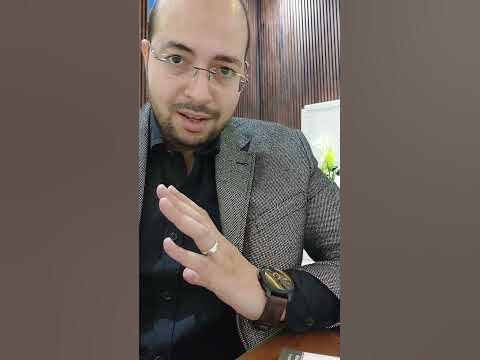
Dr. Amr El-Gazzar
Consultant of Gastrointestinal Diseases, Hepatology, and Endoscopy 🌟

🔹 About Dr. Amr El-Gazzar
Dr. Amr El-Gazzar is a Consultant of Gastrointestinal Diseases, Hepatology, and Endoscopy 🏥, working at the National Institute of Liver Diseases 🏥, which is one of the leading centers in the diagnosis and treatment of gastrointestinal and liver diseases in Egypt and the Arab World 🌍.
Dr. Amr is known for his expertise in using the latest medical technologies such as intestinal ultrasound 📡, a cutting-edge technique that provides accurate diagnosis for intestinal and gastrointestinal conditions 💡. His approach is based on precise data analysis to determine the best treatment that helps improve patients' health 🌱.

Medical Services Provided by Dr. Amr El-Gazzar 💼

Diagnosis and Treatment of Infectious Diseases 🦠
Dr. Amr El-Gazzar specializes in treating infectious diseases related to the gastrointestinal and liver systems 🩺, such as hepatitis, food poisoning, and intestinal infections.

Treatment of intestinal inflammation 💥

Treatment of viral diseases like Hepatitis A, B, C 🦠

Early diagnosis of infectious diseases using advanced techniques.

Nutrition for Diabetic and Anemic Patients 🍽️
Dr. Amr provides specialized nutrition programs 🥗 for diabetic and anemic patients to improve their health and help them better control blood sugar levels 🍬.

Customized nutrition plans to regulate blood sugar levels 📊.

Enhance nutrient absorption for anemic patients 🩸🍴.

Treatment of Gastroesophageal Reflux Disease (GERD) ⚖️
GERD is a condition that affects the upper gastrointestinal tract 🏥. Dr. Amr provides effective treatments to alleviate symptoms like heartburn 😖 and acid reflux 🔥.

Accurate diagnosis using gastroscopy and colonoscopy 🔬.

Treatment programs to reduce acid reflux and improve esophageal function 🛑.

Gastroscopy and Colonoscopy 🔬
Dr. Amr El-Gazzar performs specialized endoscopies to diagnose conditions related to the stomach and colon, such as ulcers, colon inflammation, and gastrointestinal tumors.

Precise endoscopy to detect inflammation and ulcers.

Monitoring intestinal health and managing chronic conditions like ulcerative colitis 👨‍⚕️.

Liver Disease Treatment 🏥

Diagnosis and treatment of chronic diseases like Hepatitis C and B.

Liver function monitoring and analyzing biological indicators to provide the optimal treatment.

Contact Information for Dr. Amr El-Gazzar 📞

Clinic Numbers:
01274088474 📱
01032850604 📱

Address:
Mohandessin, 34 University of the Arab Republic Street 🏙️, in front of Zamalek Club ⚽ and CIB Bank 🏦, above Qubani Furniture 🛋️, 13th Floor, Cairo.

For booking or inquiries with Dr. Amr El-Gazzar, please contact the numbers mentioned above 📞.

Dr. Amr El-Gazzar's Vision 🌟

Dr. Amr aims to provide comprehensive and advanced medical care to his patients through accurate diagnosis and personalized treatment based on their health condition and needs.
By using the latest technologies such as intestinal ultrasound and endoscopy, Dr. Amr seeks to achieve the best therapeutic outcomes that contribute to improving the quality of life for patients.
Dr. Amr's approach focuses on offering integrated treatment for all gastrointestinal and liver problems 🏥.

FAQ

FAQ

Comprehensive and direct answers to the most frequently asked questions about available services and specialties.

Egypt's #1 Verified Directory

Gastrointestinal endoscopies are medical procedures that allow doctors to examine the digestive system using flexible cameras and specialized medical instruments, which are inserted through a natural opening (such as the mouth or anus) or through a small incision in the skin. These procedures help diagnose and treat many medical conditions without the need for major surgical incisions.

Types of Gastrointestinal Endoscopies:

  • Gastroscopy: Used to examine the esophagus, stomach, and duodenum. It is mainly used to detect stomach ulcers, gastritis, or stomach cancer.
  • Colonoscopy: Used to examine the large intestine (colon) and rectum. It is used to diagnose colon tumors, ulcerative colitis, or Crohn's disease and can also remove benign tumors.
  • Enteroscopy: Used to examine the lower parts of the small intestine, which are difficult to reach using standard endoscopy.

There are several liver diseases that can affect its function:

  • Viral Hepatitis: Caused by viruses such as Hepatitis A, B, and C, and can lead to liver cell destruction in the case of chronic infection.
  • Cirrhosis: Severe scarring of the liver resulting from repeated injury, such as chronic hepatitis or alcohol consumption.
  • Non-Alcoholic Fatty Liver Disease (NAFLD): The accumulation of fat in liver cells without an obvious cause like alcohol. It can lead to cirrhosis if left untreated.
  • Liver Cancer: It may develop as a result of cirrhosis or chronic inflammation, such as in Hepatitis B and C infections.

There are several liver diseases that can affect its function:

  • Viral Hepatitis: Caused by viruses such as Hepatitis A, B, and C, and can lead to liver cell destruction in the case of chronic infection.
  • Cirrhosis: Severe scarring of the liver resulting from repeated injury, such as chronic hepatitis or alcohol consumption.
  • Non-Alcoholic Fatty Liver Disease (NAFLD): The accumulation of fat in liver cells without an obvious cause like alcohol. It can lead to cirrhosis if left untreated.
  • Liver Cancer: It may develop as a result of cirrhosis or chronic inflammation, such as in Hepatitis B and C infections.


Cirrhosis is a condition that develops when scar tissue accumulates in the liver as a result of repeated or chronic injury, such as viral hepatitis or alcohol consumption. Cirrhosis leads to:

  • Impaired liver function: The liver’s ability to perform functions like detoxification becomes weakened.
  • Portal hypertension: Increased pressure in the veins that carry blood from the intestines to the liver.
  • Liver failure: Cirrhosis may progress to liver failure if left untreated.


Peptic ulcer disease is the erosion of the stomach or duodenal lining. It is diagnosed through:

  • Gastroscopy: A flexible camera is inserted to examine the stomach and duodenum.
  • H. pylori tests: A breath test or blood test to detect the bacteria responsible for causing ulcers.
  • Barium X-ray: Can reveal the presence of ulcers in the stomach.

Colonoscopy is a procedure used to examine the large intestine and colon using a flexible camera. The colonoscope can help with:

  • Early cancer detection: It is used for early detection of colon cancer, especially in individuals with a family history.
  • Removal of benign tumors: Benign polyps can be removed during the examination to prevent their progression to cancer.
  • Diagnosis of inflammatory diseases: Such as ulcerative colitis or Crohn's disease.


Ulcerative colitis is a chronic inflammatory condition that affects the colon. Potential causes include:

  • Genetic factors: A family history may be linked to an increased likelihood of developing the condition.
  • Immune system response: It is believed that the immune system attacks healthy tissues in the colon.
  • Environmental factors: Such as stress or infections, which may contribute to the worsening of the symptoms.


Yes, endoscopy can help treat several conditions, including:

  • Removal of benign tumors: During the examination, benign polyps that could potentially develop into cancer can be removed.
  • Stopping bleeding: In cases of gastric or intestinal bleeding, endoscopy can be used to stop the bleeding.
  • Insertion of stents or tubes: To help open blocked passages in the intestines.
  • Ulcer treatment: Medications can be injected or damaged ulcer areas can be cleaned using endoscopy.


Gastroesophageal Reflux Disease (GERD) is a condition where stomach acid leaks into the esophagus, causing irritation. Symptoms include:

  • Heartburn: A burning sensation in the stomach that extends to the esophagus.
  • Difficulty swallowing.
  • Chronic cough.
  • Disrupted sleep: Due to pain and heartburn.

GERD can be diagnosed using endoscopy or a pH monitoring test of the esophagus. Treatment includes medications to reduce stomach acid and dietary changes.


The treatment of Non-Alcoholic Fatty Liver Disease (NAFLD) primarily involves lifestyle modifications, including:
  • Weight loss: Reducing weight helps decrease fat accumulation in the liver.
  • Diet: Following a balanced diet rich in vegetables, fruits, and low-fat foods.
  • Exercise: Physical activity helps improve liver health.
  • Managing associated conditions: Such as diabetes and high blood pressure.
  • Avoiding liver-toxic medications: Such as certain painkillers or suppleme


Search Directory
