
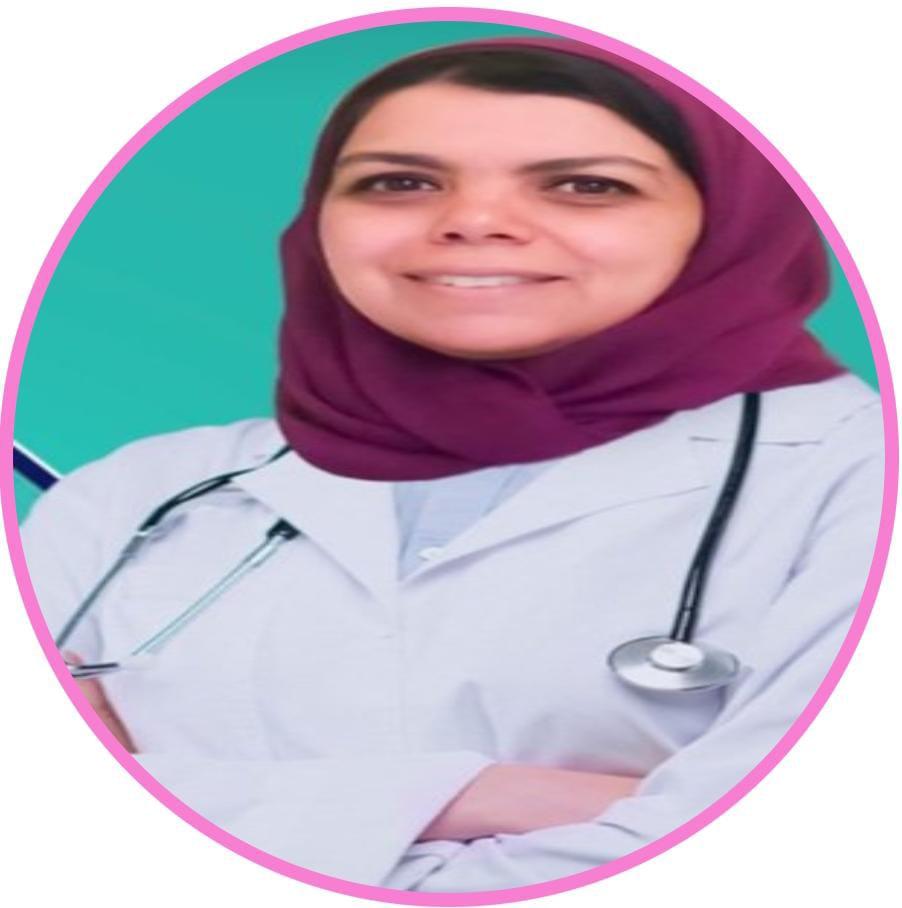
Dr. Iman Hamza

Dr. Iman Hamza

Dr. Iman Hamza

Gastroenterologists and Hepatologists Giza, Giza Pyramids
Egypt's #1 Verified Directory Verified Information
Contact
Available Now
Book Appointment / Phone
Address

68 Mariouteya intersection with El Haram main street, fifth floor, above LC Waikiki shop, Giza Pyramids, Giza

Follow Us
Overview

Professor of Gastroenterology, Hepatology and Endoscopy

Full Name Dr. Iman Hamza
City / Area Giza , Giza Pyramids
Description

Dr. Iman Hamza

Professor of Gastroenterology and Liver

And Endoscopy

Faculty of Medicine, Cairo University - Kasr El Aini

Services Provided:

Liver Diseases:

Viral Hepatitis

Hepatitis C

Treatment of Liver Diseases

Gallbladder Diseases:

Bile Duct Stones

Treatment of Gallbladder Diseases

Pancreas:

Treatment of Pancreatic Diseases

Digestive Disorders:

Irritable Bowel Syndrome

Treatment of Digestive Disorders

Digestive Endoscopy:

Gastroscopy

Colonoscopy

Bile Duct Endoscopy

Other Diseases:

Esophageal and Gastric Varices

Gastric and Duodenal Ulcers

Esophageal Reflux

Infectious Diseases

Cholesterol Treatment

Abdominal and Pelvic Ultrasound

Nutrition:

Diabetic Nutrition

Anemia Patient Nutrition

Chronic Diseases:

Blood Pressure Diseases

Rheumatic Diseases

Immune Diseases

Blood Lipid Diseases

Diabetes And its complications

Other procedures:

Kidney transplant

Geriatrics

Geriatrics

Clinic locations:

Mohandessin branch:

25 Mecca Street, intersection of Mohi El Din Abu El Ezz, in front of the Hunting Club, above Bingo shop

Downtown branch:

183 Tahrir Street, Bab El Louk, Strand Building, second floor

Nasr City branch:

81 El Nasr Road, next to Taiba Mall, above El Barlesy Pharmacy, third floor

Haram branch:

68 Mariouteya intersection with El Haram main street, fifth floor, above LC Waikiki shop

Working hours:

Sunday and Tuesday from 1:00 PM to 3:00 PM

رقم العيادة 

01009450728

FAQ

FAQ

Comprehensive and direct answers to the most frequently asked questions about available services and specialties.

Egypt's #1 Verified Directory

Gastrointestinal endoscopies are medical procedures that allow doctors to examine the digestive system using flexible cameras and specialized medical instruments, which are inserted through a natural opening (such as the mouth or anus) or through a small incision in the skin. These procedures help diagnose and treat many medical conditions without the need for major surgical incisions.

Types of Gastrointestinal Endoscopies:

  • Gastroscopy: Used to examine the esophagus, stomach, and duodenum. It is mainly used to detect stomach ulcers, gastritis, or stomach cancer.
  • Colonoscopy: Used to examine the large intestine (colon) and rectum. It is used to diagnose colon tumors, ulcerative colitis, or Crohn's disease and can also remove benign tumors.
  • Enteroscopy: Used to examine the lower parts of the small intestine, which are difficult to reach using standard endoscopy.

There are several liver diseases that can affect its function:

  • Viral Hepatitis: Caused by viruses such as Hepatitis A, B, and C, and can lead to liver cell destruction in the case of chronic infection.
  • Cirrhosis: Severe scarring of the liver resulting from repeated injury, such as chronic hepatitis or alcohol consumption.
  • Non-Alcoholic Fatty Liver Disease (NAFLD): The accumulation of fat in liver cells without an obvious cause like alcohol. It can lead to cirrhosis if left untreated.
  • Liver Cancer: It may develop as a result of cirrhosis or chronic inflammation, such as in Hepatitis B and C infections.

There are several liver diseases that can affect its function:

  • Viral Hepatitis: Caused by viruses such as Hepatitis A, B, and C, and can lead to liver cell destruction in the case of chronic infection.
  • Cirrhosis: Severe scarring of the liver resulting from repeated injury, such as chronic hepatitis or alcohol consumption.
  • Non-Alcoholic Fatty Liver Disease (NAFLD): The accumulation of fat in liver cells without an obvious cause like alcohol. It can lead to cirrhosis if left untreated.
  • Liver Cancer: It may develop as a result of cirrhosis or chronic inflammation, such as in Hepatitis B and C infections.


Cirrhosis is a condition that develops when scar tissue accumulates in the liver as a result of repeated or chronic injury, such as viral hepatitis or alcohol consumption. Cirrhosis leads to:

  • Impaired liver function: The liver’s ability to perform functions like detoxification becomes weakened.
  • Portal hypertension: Increased pressure in the veins that carry blood from the intestines to the liver.
  • Liver failure: Cirrhosis may progress to liver failure if left untreated.


Peptic ulcer disease is the erosion of the stomach or duodenal lining. It is diagnosed through:

  • Gastroscopy: A flexible camera is inserted to examine the stomach and duodenum.
  • H. pylori tests: A breath test or blood test to detect the bacteria responsible for causing ulcers.
  • Barium X-ray: Can reveal the presence of ulcers in the stomach.

Colonoscopy is a procedure used to examine the large intestine and colon using a flexible camera. The colonoscope can help with:

  • Early cancer detection: It is used for early detection of colon cancer, especially in individuals with a family history.
  • Removal of benign tumors: Benign polyps can be removed during the examination to prevent their progression to cancer.
  • Diagnosis of inflammatory diseases: Such as ulcerative colitis or Crohn's disease.


Ulcerative colitis is a chronic inflammatory condition that affects the colon. Potential causes include:

  • Genetic factors: A family history may be linked to an increased likelihood of developing the condition.
  • Immune system response: It is believed that the immune system attacks healthy tissues in the colon.
  • Environmental factors: Such as stress or infections, which may contribute to the worsening of the symptoms.


Yes, endoscopy can help treat several conditions, including:

  • Removal of benign tumors: During the examination, benign polyps that could potentially develop into cancer can be removed.
  • Stopping bleeding: In cases of gastric or intestinal bleeding, endoscopy can be used to stop the bleeding.
  • Insertion of stents or tubes: To help open blocked passages in the intestines.
  • Ulcer treatment: Medications can be injected or damaged ulcer areas can be cleaned using endoscopy.


Gastroesophageal Reflux Disease (GERD) is a condition where stomach acid leaks into the esophagus, causing irritation. Symptoms include:

  • Heartburn: A burning sensation in the stomach that extends to the esophagus.
  • Difficulty swallowing.
  • Chronic cough.
  • Disrupted sleep: Due to pain and heartburn.

GERD can be diagnosed using endoscopy or a pH monitoring test of the esophagus. Treatment includes medications to reduce stomach acid and dietary changes.


The treatment of Non-Alcoholic Fatty Liver Disease (NAFLD) primarily involves lifestyle modifications, including:
  • Weight loss: Reducing weight helps decrease fat accumulation in the liver.
  • Diet: Following a balanced diet rich in vegetables, fruits, and low-fat foods.
  • Exercise: Physical activity helps improve liver health.
  • Managing associated conditions: Such as diabetes and high blood pressure.
  • Avoiding liver-toxic medications: Such as certain painkillers or suppleme


Search Directory