
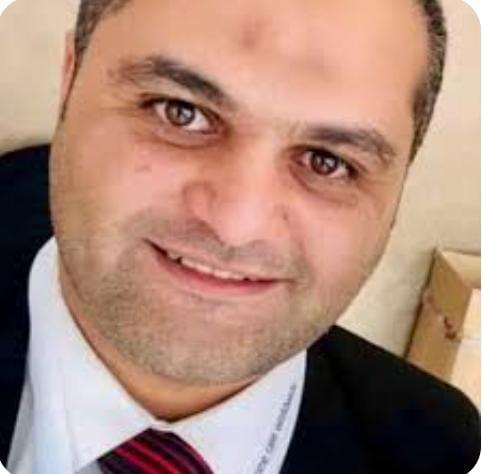
Prof. Dr. Sameh El Morsy

Prof. Dr. Sameh El Morsy

Prof. Dr. Sameh El Morsy

Neuro and spine surgery Cairo, Nasr City
Egypt's #1 Verified Directory Verified Information
Contact
Available Now
Book Appointment / Phone
Address

7 Saudi Buildings, El-Nozha Street, in front of the Air Defense House, Clock Square, Nasr City, Third Floor, Dar El-Shifa Center, Nasr City, Cairo

Follow Us
Overview

Consultant Neurosurgeon and Spine Surgeon

Full Name Prof. Dr. Sameh El Morsy
City / Area Cairo , Nasr City
Description

Prof. Dr. Sameh El Morsy

Brief: Prof. Dr. Sameh El Morsy is a leading expert in his field, known for his contributions to medical research and practice related to the brain, nerves and spine surgery. He has led many conferences and participated in international committees to develop new techniques in this specialty.

Education and qualifications:

Master's and PhD in Neurosurgery.

Fellowships in prestigious medical centers, with specialized training in pituitary endoscopy.

Work experience:

Consultant Neurosurgeon at Kasr El Aini Hospital.

Consultant Neurosurgeon and Spine at Abu El Rish Children's Hospital.

Participated in many researches and studies concerned with the treatment of brain and nerve disorders.

Services available in detail:

Spine surgery:

Precise operations to treat spinal injuries.

Modern techniques to reduce pain and speed recovery.

Peripheral nerve surgery:

Procedures to improve the function of damaged nerves.

Spinal Deformity Surgery:

Spine Correction for Children and Adults.

Cerebral Palsy Treatment:

Providing Comprehensive Treatment Programs for Children to Develop Motor Skills.

Advanced Techniques:

Using Endoscopy to Minimize Surgical Intervention.

Scientific Contributions:

Editor of the ASMS Journal Specializing in Advanced Neurology.

Co-Chairman of the International Federation of Neuro-Oncology.

Appointments can be made via the following numbers: 01064521747 - 01127948749 - 01281406749.

Additional Information:

Examination Fee: 400 EGP

Waiting Time: About 1 Hour and 4 Minutes

Working Hours:

Days: Saturday, Monday, Thursday

Time: 8 to 10 PM

Address:

7 Saudi Buildings, El-Nozha Street, in front of the Air Defense House, Clock Square, Nasr City, Third Floor, Dar El-Shifa Center

Tags
Best Neurologist in Heliopolis 8th District Best Neurologist in Tahrir Street Best Neurologist in El-Tayran Street Best Neurologist in Nasr City Best Neurologist in Heliopolis 7th District Best Neurologist in Makram Ebeid Best Neurologist in Abbas El-Akkad Best Neurologist in City Stars Best Neurologist in City Center Best Neurologist in Mustafa El-Nahhas Best Neurologist in Ahmed Fahim Best Neurologist in Embassies District Best Neurologist in Zahraa Nasr City Best Neurologist in Wafa & Amal Best Neurologist in Cairo Neurologist in Heliopolis 8th District Neurologist in Tahrir Street Neurologist in El-Tayran Street Neurologist in Nasr City Neurologist in Heliopolis 7th District Neurologist in Makram Ebeid Neurologist in Abbas El-Akkad Neurologist in City Stars Neurologist in City Center Neurologist in Mustafa El-Nahhas Neurologist in Ahmed Fahim Neurologist in Embassies District Neurologist in Zahraa Nasr City Neurologist in Wafa & Amal Neurologist in Cairo number Neurologist in Heliopolis 8th District number Neurologist in Tahrir Street number Neurologist in El-Tayran Street number Neurologist in Nasr City number Neurologist in Heliopolis 7th District number Neurologist in Makram Ebeid number Neurologist in Abbas El-Akkad number Neurologist in City Stars number Neurologist in City Center number Neurologist in Mustafa El-Nahhas number Neurologist in Ahmed Fahim number Neurologist in Embassies District number Neurologist in Zahraa Nasr City number Neurologist in Wafa & Amal number Neurologist in Cairo
FAQ

FAQ

Comprehensive and direct answers to the most frequently asked questions about available services and specialties.

Egypt's #1 Verified Directory

⚠️ Be cautious, as this is often due to trigeminal neuralgia. Its symptoms can be numerous and difficult to bear, such as: 👇

💢 Electric shock-like sensations lasting from seconds to minutes, and they may recur. 💢 Difficulty chewing. 💢 Loss of taste. 💢 Facial numbness. 💢 Headaches.

Treatment options include: 👇

Medication 💊

Radiofrequency therapy

Surgical intervention 🔪

⭕ Treatment varies depending on the patient's condition and needs.

Nerve compression in the spine occurs when something like a disc or bone puts pressure on a nerve in the back or neck.

Symptoms:
🔸 Pain in the back or neck.
🔸 Numbness or tingling in the arms or legs.
🔸 Muscle weakness or difficulty moving the hands or feet.
🔸 A sensation of tingling or warmth in the limbs.

Treatment:
💊 Medications: Such as pain relievers or anti-inflammatory drugs.
💪 Physical therapy: Exercises to relieve pressure on the nerves and improve movement.
🛌 Rest: Avoid activities that may increase pain.
🩺 Surgery: In rare cases, surgery may be needed to relieve pressure on the nerve.

If you experience these symptoms, it’s important to visit a doctor to determine the most appropriate treatment for your condition.


Yes, it is possible to treat a pituitary tumor without surgery in certain cases.

🧪 If the tumor secretes prolactin hormone (📉 prolactinoma), treatment typically involves:

Using medications such as:

Cabergoline

Bromocriptine

➡️ These medications help to:

Reduce hormone production.

Shrink the tumor size.

Sometimes, they are sufficient to achieve complete recovery.

🔍 In other cases:

If the tumor:

Puts pressure on nearby nerves (e.g., the optic nerve).

Does not respond to medication.

The recommended options may include:

🩺 Endoscopic surgery.

☢️ Radiotherapy if surgery is not feasible.

🩻 Conclusion: The appropriate treatment plan is determined by the physician based on the tumor's type, size, and the patient's symptoms.


✅ Yes, surgery can be performed on the pituitary gland to remove tumors or treat conditions that affect it.

🩺 The most common surgery is endoscopic transsphenoidal surgery or pituitary gland endoscopic surgery. This procedure uses delicate endoscopes inserted through the nose to reach the pituitary gland, making it a minimally invasive alternative to traditional surgery.

➡️ Benefits of endoscopic surgery include:
📉 Less pain for the patient.
⏱️ Shorter recovery time.
🎯 High precision in tumor removal.

🔍 When is surgery performed?
It is recommended if the tumor:

  • Compresses surrounding nerves, such as the optic nerve.
  • Significantly affects hormone production.
  • Does not respond to medication.

☢️ Surgical alternatives:
If surgery is not possible, options include:

  • Radiotherapy.
  • Medications (depending on the type of tumor).

🩻 Conclusion: Endoscopic pituitary surgery is considered the best option for treating large or complex tumors due to its safety and effectiveness in most cases

✅ Pituitary adenomas are common tumors, accounting for about 10% to 15% of all brain tumor cases. These tumors are most frequently seen in individuals in their thirties or forties and are rarely found in children.

🩺 Treatment for a pituitary tumor depends on several factors:

The type and size of the tumor.

The symptoms it causes.

The impact on glands and hormones.

1. Medication Treatment

📅 Duration:

In cases where the tumor secretes hormones like prolactin (prolactinoma), medications such as Cabergoline or Bromocriptine can show significant improvement in a short period. Medication treatment may continue for extended periods, ranging from several months to years, depending on the patient's response.

2. Surgery

📅 Duration:

If surgery is required to remove the tumor (especially if it’s pressing on nerves or causing hormonal issues), the procedure typically takes several hours.

Recovery Time:

Recovery is generally short, with most patients returning to normal activities within 2-4 weeks after surgery.

3. Radiotherapy

📅 Duration:

Radiotherapy may take several weeks or months, depending on the tumor’s response to treatment. It is usually complementary to surgery or medication when the tumor does not respond to either of the first two treatments.

4. Future Outlook

🔮 Prognosis is excellent in most cases:

Since most pituitary tumors are benign, the prognosis is very good after treatment.

Complete recovery may take several months to years, depending on the type of treatment the patient receives.

🩻 Conclusion: The duration of treatment depends on the tumor type and the treatment method used. Medication may take longer, while surgery provides faster improvements.



Recovery time depends on several factors, such as the type of surgery and the patient’s overall health. In general, recovery can be divided into the following:

Returning to work:

🧑‍💻 Office jobs: You can return after 2-4 weeks.

🛠️ Active jobs: It is recommended to take 6 weeks off before returning to work.

Daily activities:

🏃‍♂️ Physical activities: Wait 6 weeks before resuming sports or intense exercise.

🛏️ Sexual activity: It can be resumed after 6 weeks.

Self-care and follow-up:

💊 Medications: Patients may need hormonal medications or pain relievers.

🩺 Medical follow-up: Regular check-ups are needed to monitor hormone levels and pituitary health.

Life after surgery:

🌱 Healthy lifestyle: A balanced diet and sufficient sleep are essential.

🩻 Conclusion:
The recovery time after pituitary gland surgery ranges from 2-6 weeks, with the importance of proper self-care and follow-up with the doctor for an effective recovery.


✅ Pituitary gland tumor removal surgery is a sensitive procedure due to the gland's proximity to critical nerves and tissues. While the surgery is generally safe, it does carry some potential risks:

1. Potential Risks:

⚠️ Damage to the pituitary gland: This can affect hormone production, leading to health issues such as diabetes insipidus.
⚠️ Vision problems: The nearby optic nerves may be affected during surgery.

2. Post-Surgery Follow-up:

🌱 Hormone monitoring: Hormone levels will be closely monitored after surgery.
🩺 Medical care: Regular follow-up is essential to ensure proper recovery of the pituitary gland.

🩻 Conclusion:
The surgery may pose risks if it causes damage to the gland or hormonal issues. However, with proper care and monitoring, complications can be minimized.

Symptoms of a herniated disc may include:
1️⃣ Severe pain in the back or neck
2️⃣ Numbness or weakness in the limbs (hands or legs)
3️⃣ Difficulty with movement or balance
4️⃣ Pain that worsens with movement or coughing

Treatment for migraines caused by spine problems includes:
1️⃣ Physical therapy to strengthen the neck and back muscles.
2️⃣ Medication to relieve pain and inflammation.
3️⃣ Localized injections (such as steroid injections) to reduce inflammation in the spine area.
4️⃣ Chiropractic adjustments to relieve pressure on the nerves.

Non-surgical treatment offers several benefits, such as:
1️⃣ Quick results in pain relief and improved mobility.
2️⃣ Avoiding the risks associated with surgery.
3️⃣ Restoring daily activity quickly with no long recovery period.
4️⃣ Providing long-term solutions for chronic pain relief.


Search Directory