
All details about Dr. Ahmed El-Attar are available on his official profile on Misr Connect.
📞 01006281334

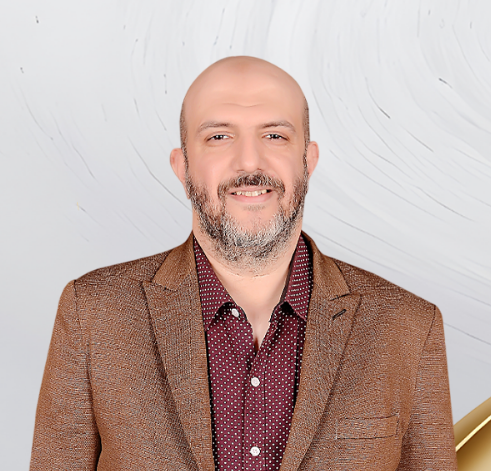
Dr. Ahmed El Attar
Madinaty Branch: First Season Park – First Floor, Clinic No. F3. Second Branch: Al Nada Mall – Second District, Fourth Neighborhood., Sheikh Zayed, Giza
Location
Dr. Ahmed El Attar is an orthopedic and spine consultant with over 15 years of experience in sports injuries, joint surgeries, and spinal operations.
Dr. Ahmed El Attar
🦴 **Profile**
Dr. Ahmed El Attar is a Consultant of Orthopedic Surgery, Joints, and Spine, and one of the distinguished names in this precise field. He has more than fifteen years of experience in treating sports injuries, performing knee, shoulder, and spinal surgeries using the latest medical techniques and modern surgical methods. He earned his Doctorate in Orthopedic Surgery from Kasr El Aini Faculty of Medicine and is a Fellow of the Royal College of Surgeons of the UK, which reflects his high academic status. He also serves as Head of the Orthopedic Department at Al-Ahrar Teaching Hospital and works as a consultant in major health insurance hospitals, granting him vast experience in dealing with a wide variety of cases. Dr. Ahmed combines academic expertise with hands-on practice, always committed to delivering integrated medical care that prioritizes patient safety and comfort. He designs accurate treatment plans and follows recovery phases step by step to ensure the best long-term outcomes.

💎 Advantages
🔹 Longstanding expertise in orthopedic and spinal surgeries.
🔹 High proficiency in treating sports injuries and knee and shoulder surgeries.
🔹 Utilization of the latest surgical techniques and advanced arthroscopy for effective results.
🔹 Comprehensive patient follow-up from diagnosis to rehabilitation.
🔹 Membership in international medical associations specializing in orthopedics.
🔹 Integrated medical environment with the highest standards of quality and sterilization.
🔹 Special attention to creating individualized treatment plans tailored to each case.
🔹 Effective communication with patients to explain treatment steps and reassure them.
🔹 Excellent reputation built on the success of hundreds of surgeries and treatments.
🔹 Integration of medical treatment with physical rehabilitation for complete and long-lasting recovery.
🔹 Expertise in handling complex and emergency cases with high precision.
🔹 Commitment to staying updated with the latest research and scientific advancements.
🔹 Dedication to balancing medical treatment with the human aspect of patient care.

🧬 Services
🦵 Arthroscopic knee and shoulder surgeries using advanced techniques.
🦴 Treatment of complex fractures and bone injuries caused by daily accidents.
💪 Management of sports injuries and full rehabilitation for professional athletes.
🧠 Spinal surgeries for slipped discs and spinal canal stenosis.
🩻 Post-surgery rehabilitation with precise and comprehensive treatment plans.
🦿 Advanced medical and surgical solutions for joint osteoarthritis.
🏃 Orthopedic corrections and treatment of congenital and acquired deformities with high accuracy.
⚡ Pain management for joints and back using the latest treatment protocols.
🧩 Long-term medical follow-up to ensure stability and bone health.
🌟 Thorough consultations to explain conditions and outline ideal treatment plans.
🩺 Detailed and accurate evaluation of each medical case to determine the most suitable treatment options.
🦴 Joint replacement with high-quality modern prostheses.
🏋️ Personalized rehabilitation programs designed to restore motor strength.
🧠 Early detection of orthopedic and joint diseases to prevent complications.
🌍 Innovative solutions tailored to patient needs to ensure long-term results.


🎯 Objectives
🩺 Delivering advanced medical care with the latest methods.
🩺 Using modern devices and technologies in treatment.
🦴 Restoring normal movement of joints and bones.
🦴 Helping patients return to daily life activities.
😀 Reducing chronic pain and enhancing comfort.
😀 Restoring self-confidence and ability to be active.
🧠 Combining surgery and rehabilitation for complete recovery.
🧠 Establishing preventive plans to avoid recurrence of injuries.
📊 Continuous follow-up after surgery or treatment.
📊 Regular evaluation of case progress.
🌍 Raising awareness about bone and joint health.
🌍 Providing preventive tips to the community.
💡 Offering tailored solutions for each patient.
💡 Developing innovative and advanced treatment methods.
🤝 Building trustful and continuous relationships with patients.
🤝 Creating a supportive and comfortable healing environment.

💡 Why Choose Dr. Ahmed El Attar?
Because he combines academic knowledge with practical expertise in orthopedics and spine surgery, making him capable of managing both the simplest injuries and the most complex cases with efficiency. Because he has achieved high success rates in hundreds of delicate and complex surgeries, earning a strong reputation and wide patient trust. Because he prioritizes patient comfort and provides a safe, reassuring medical environment that applies the highest standards of quality and sterilization. Because he tailors personalized treatment and rehabilitation plans for each patient to guarantee the best long-term outcomes. Because he keeps pace with the latest medical advancements and applies modern surgical and therapeutic techniques for precise and effective care. Because he follows up carefully with patients after treatment or surgery to ensure complete recovery and avoid complications. Because he provides comprehensive humane care based on attentive listening to patients’ concerns and involving them in treatment steps, enhancing their confidence and peace of mind. Because he is trusted by his patients, who see him as a key factor in regaining their health, natural movement, and improved quality of life.

📞 Contact Dr. Ahmed El Attar
📍Clinics:
Galaa Street – El Ganayen – Dar El Teb Tower – above El Taher Optics – 7th floor – Zagazig – Egypt
Madinaty – First Season Park – 1st floor, Clinic F3
El Nada Mall – 2nd District – 4th Neighborhood – Sheikh Zayed City
📱 Phone: 01006281334 – 01556555816
📧 Email: [[email protected]](mailto:[email protected])

✨ Conclusion
Dr. Ahmed El Attar is not just a consultant in orthopedic and joint surgery; he is a physician who combines scientific expertise with a human vision, becoming a true companion for every patient throughout their healing journey. He pays attention to the finest details that make a difference in outcomes, starting with accurate diagnosis and a clear treatment plan, and extending to continuous follow-up after therapy to ensure the best results. With his long-standing experience and dedication, he guarantees patients integrated care that restores their comfort, confidence, and ability to return to normal life with renewed energy and improved quality of living.
If you are searching for the best orthopedic doctor in Sheikh Zayed or a specialist in sports injury treatment, Dr. Ahmed El Attar offers advanced medical care based on experience, precision, and personalized treatment plans. His patient-centered approach ensures safe recovery, restored mobility, and improved quality of life.
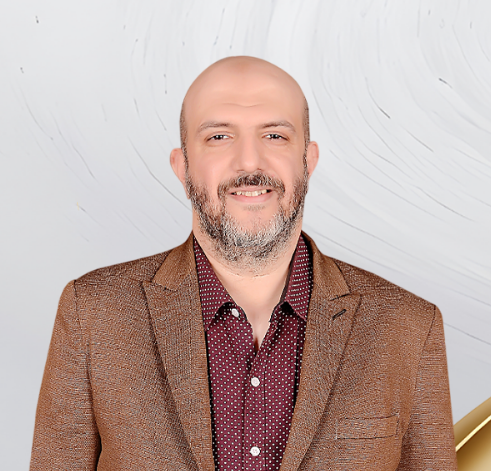
If you are looking for the best orthopedic doctor in Sheikh Zayed or a specialist in osteoarthritis treatment and joint replacement surgery, Dr. Ahmed El Attar provides advanced, patient-centered orthopedic care using the latest medical technologies to ensure safe recovery, restored mobility, and long-lasting results.
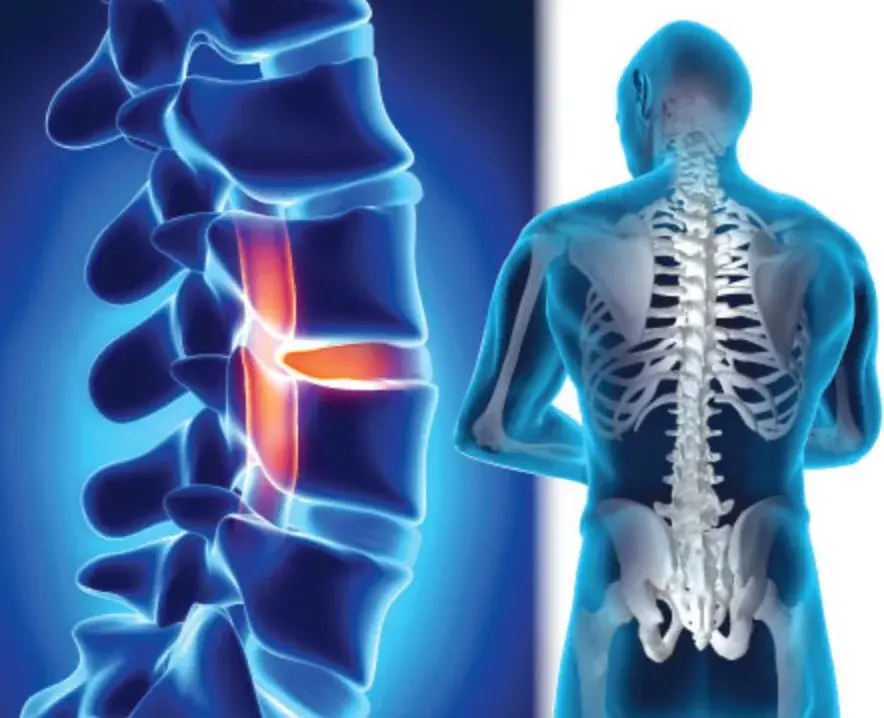
If you are searching for the best orthopedic doctor in Sheikh Zayed or a specialist in spine pain and herniated disc treatment, Dr. Ahmed El Attar provides advanced, patient-focused care using the latest medical and surgical techniques to help you live pain-free and regain your normal mobility.
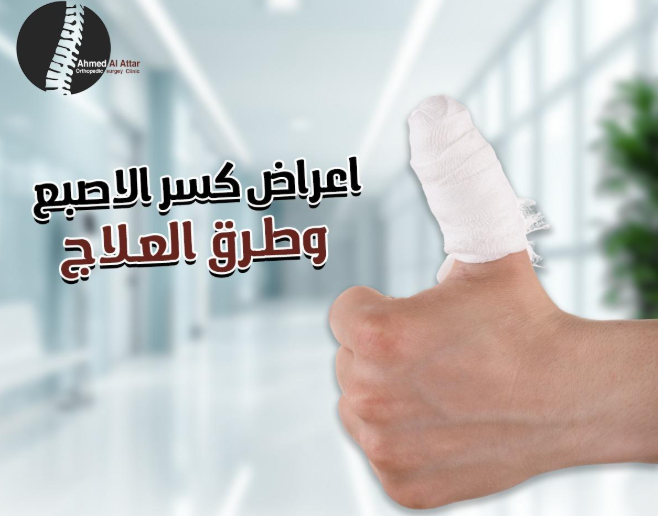
If you are looking for the best orthopedic doctor in Sheikh Zayed or need expert treatment for complex fractures, Dr. Ahmed El Attar provides advanced, personalized care with the latest medical and surgical techniques. His focus is on ensuring full recovery, pain relief, and restored mobility, helping patients return to their normal life safely and confidently.
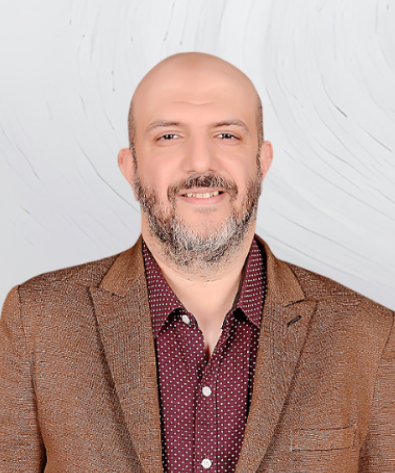
Dr. Ahmed El Attar is an experienced orthopedic and spine consultant with more than 15 years of practice in sports injuries, joint surgeries, spinal operations, fracture treatment, and rehabilitation across Sheikh Zayed, Madinaty, and Zagazig.

An anterior cruciate ligament (ACL) injury is one of the most common sports injuries, especially among football players, runners, and basketball athletes. After undergoing ACL reconstruction surgery, many patients ask: When can I return to sports? Is running safe? When can I play football again?
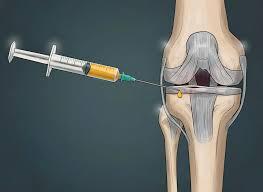
Learn about the causes, symptoms, and non-surgical treatment of meniscus tears with Dr. Ahmed Al-Attar in Sheikh Zayed and Madinaty.
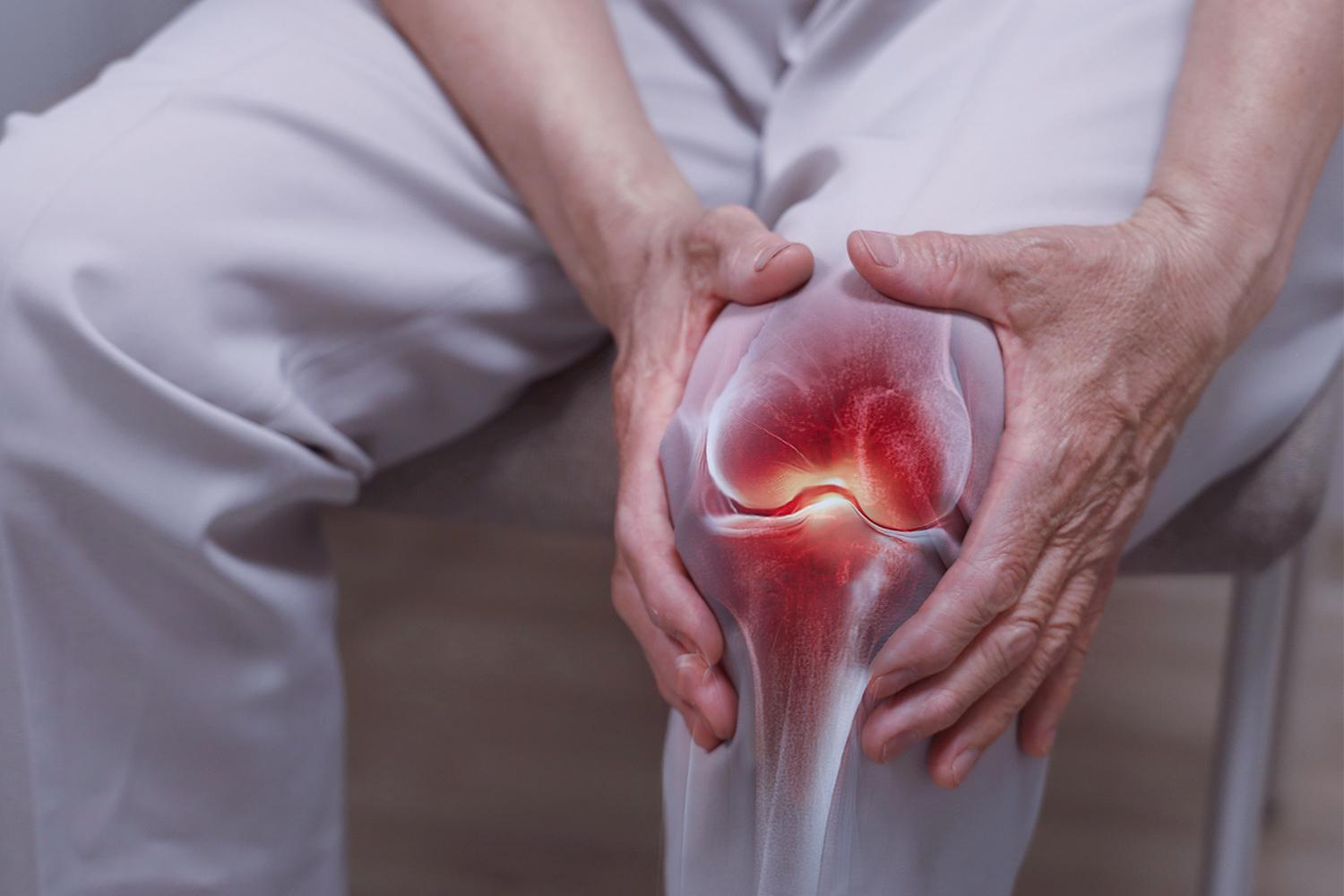
If you suffer from knee pain, herniated disc, or difficulty moving, accurate diagnosis and advanced treatment are essential. Dr. Ahmed Elattar, a leading orthopedic consultant in Sheikh Zayed, offers non-surgical solutions for disc and joint problems using modern medical techniques, ensuring effective results and improved mobility.
The knee joint is one of the most important joints in the human body, as it bears the entire body weight and allows daily movements such as walking, running, and climbing stairs. However, it is also one of the most commonly affected joints, especially with aging or repetitive stress.
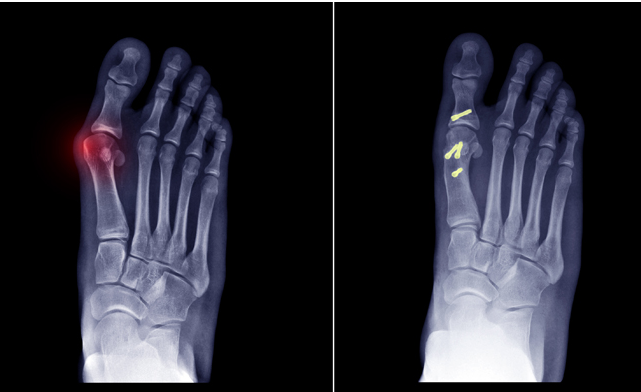
يُعد البحث عن علاج تشوهات العظام في الشيخ زايد من أكثر الموضوعات الطبية التي تهم المرضى الذين يعانون من مشاكل في العظام أو المفاصل أو العمود الفقري، حيث تؤثر هذه التشوهات بشكل مباشر على الحركة وجودة الحياة.
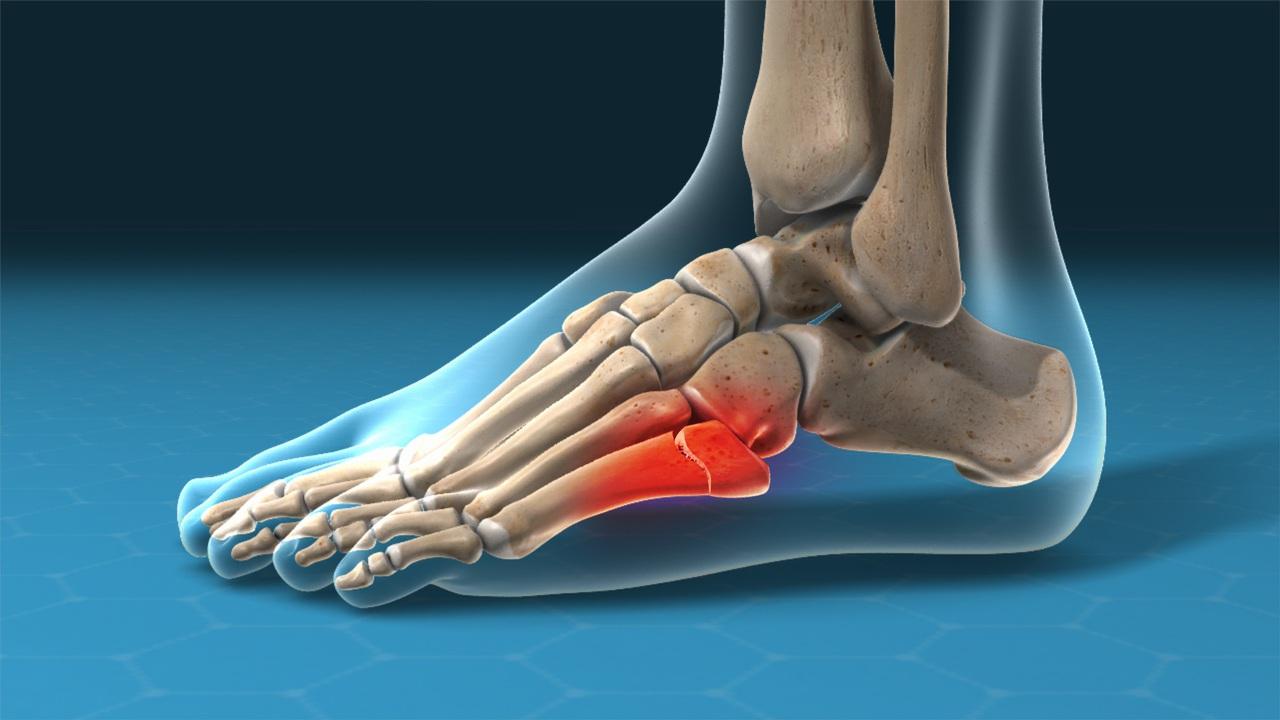
Discover the latest methods for treating complex fractures in Sheikh Zayed with Dr. Ahmed El Attar, Consultant of Orthopedic Surgery, Joint Surgery, and Spine Surgery. Learn about advanced fracture treatments, surgical techniques, and rehabilitation programs for restoring mobility.

Dr. Ahmed El Attar provides advanced spine surgery solutions using modern surgical techniques and minimally invasive procedures whenever appropriate. Each patient receives a personalized treatment plan designed to relieve pain, restore spinal function, and achieve the best possible outcome.
All information about Dr. Ahmed El-Attar is available on his official profile on Masr Connect
Address:
Zagazig: El-Galaa Street, El-Ganayin, Dar Al-Teb Tower, above Al-Taher Optics, 7th Floor, Zagazig, Egypt
Madinaty: Season Park One, First Floor, Clinic No. F3
Sheikh Zayed: Al-Nada Mall, Second District, Fourth Neighborhood
Zagazig (Another Branch): El-Galaa Street (El-Ganayin), Dar Al-Teb Tower, above Al-Taher Optics, 7th Floor
Bone pain can result from several causes, including:
Orthopedic surgery is a medical procedure used to fix fractures and injuries affecting bones and joints. This surgery helps in realigning the bones or replacing damaged joints, which aids in restoring mobility and relieving pain.
The ACL is one of the ligaments in the knee that helps stabilize the joint. If torn due to a sports injury, it can be treated through knee arthroscopy, where the arthroscope is used to repair the damaged ligament without fully opening the knee.
When a bone fractures, it is realigned into its proper position using surgery or a cast, depending on the type of fracture. If the fracture is complex, screws or plates may be used to stabilize the bone until it heals. After surgery, physical therapy is followed to rehabilitate the bones and joints.
Arthritis is a condition that causes swelling and pain in the joints and can be due to cartilage damage. If the condition is severe, it may be treated by replacing the damaged joint with a prosthetic device, such as in knee or hip replacement surgery.
A torn knee cartilage can happen due to an injury or sudden movement. If the tear is significant, it is treated with knee arthroscopy, where the damaged parts of the cartilage are removed using precise techniques without the need for a large incision.
Spinal surgery is used to fix vertebral or intervertebral disc problems that may cause back pain. If there is a herniated disc or spinal stenosis, treatment may involve removing the damaged part of the disc or bone, helping relieve pain.
A shoulder sprain can occur due to a sudden movement or heavy lifting. In some cases, shoulder arthroscopy may be needed to repair damaged tendons or ligaments. This is done through a small incision using precise tools to fix the shoulder without the need for major surgery.
Joint replacement surgery is needed when a joint becomes too damaged due to conditions like arthritis or osteoarthritis. In this surgery, the damaged joint is removed and replaced with a prosthetic joint to improve movement and reduce pain.
Sports injuries include ligament tears or muscle injuries. Orthopedic surgery is used to fix these injuries using techniques like arthroscopy to repair ligaments or damaged tissues, helping athletes return quickly to their activities.
Bone lengthening surgery is used to treat shortened limbs or bone deformities. In this surgery, a part of the bone is gradually separated using a special device to lengthen the bone until it reaches the desired length.
Knee pain can occur due to several factors, such as injuries (like sprains or ligament tears), arthritis (such as osteoarthritis), or excess weight, which places additional pressure on the joint. Sports activities or repetitive movements can also contribute to pain.
Treatment depends on the cause: if the injury is mild, rest and physical therapy may be sufficient to alleviate the pain. Cold or hot compresses can help reduce swelling, and if inflammation is present, the doctor may recommend pain-relieving or anti-inflammatory medications. In more severe cases, surgery or joint injections may be required.
⚠️ Be cautious, as this is often due to trigeminal neuralgia. Its symptoms can be numerous and difficult to bear, such as: 👇
💢 Electric shock-like sensations lasting from seconds to minutes, and they may recur. 💢 Difficulty chewing. 💢 Loss of taste. 💢 Facial numbness. 💢 Headaches.
Treatment options include: 👇
Medication 💊
Radiofrequency therapy ⚡
Surgical intervention 🔪
⭕ Treatment varies depending on the patient's condition and needs.
✅ Pituitary gland tumor removal surgery is a sensitive procedure due to the gland's proximity to critical nerves and tissues. While the surgery is generally safe, it does carry some potential risks:
⚠️ Damage to the pituitary gland: This can affect hormone production, leading to health issues such as diabetes insipidus.
⚠️ Vision problems: The nearby optic nerves may be affected during surgery.
🌱 Hormone monitoring: Hormone levels will be closely monitored after surgery.
🩺 Medical care: Regular follow-up is essential to ensure proper recovery of the pituitary gland.
🩻 Conclusion:
The surgery may pose risks if it causes damage to the gland or hormonal issues. However, with proper care and monitoring, complications can be minimized.
Symptoms of a herniated disc may include:
1️⃣ Severe pain in the back or neck
2️⃣ Numbness or weakness in the limbs (hands or legs)
3️⃣ Difficulty with movement or balance
4️⃣ Pain that worsens with movement or coughing
Treatment for migraines caused by spine problems includes:
1️⃣ Physical therapy to strengthen the neck and back muscles.
2️⃣ Medication to relieve pain and inflammation.
3️⃣ Localized injections (such as steroid injections) to reduce inflammation in the spine area.
4️⃣ Chiropractic adjustments to relieve pressure on the nerves.
Join us now and start developing your business, ensure your best appearance on search engines, and attract the largest number of potential customers.
Contact us now and get the best offers and services provided by Misr Connect!
