


Specialist Kariman Hamed

Specialist Kariman Hamed

Verified account

Kariman Hamed Psychological Therapist and Qualified Counseling Session Provider

Psychiatrists 5 (15 Reviews)
Egypt's #1 Verified Directory Verified Information
Contact
Available Now
Book Appointment / Phone Whatsapp
Address

عند كشري استريت جنب كاجو اللي في السابعه, ,

Follow Us
Overview

Ms. Kariman Hamed Mohamed El-Bayoumi is a Psychological Therapist and Certified Counseling Session Provider. We help individuals overcome psychological and behavioral challenges while developing social communication skills and enhancing interpersonal relationships.

Description
🧠 إرشاد نفسي، تخاطب، وتعديل سلوك

الأخصائية كريمان حامد محمد البيومي

معالجة نفسية ومقدمة الجلسات الإرشادية المؤهلة

نساعدك في التغلب على التحديات النفسية والسلوكية وتطوير مهارات التواصل الاجتماعي والأسري من خلال برامج إرشادية متكاملة وسرية تامة.

🗣️ تخاطب ونطق 🚸 تعديل سلوك 🧠 صحة نفسية 💍 تأهيل المقبلين على الزواج

المؤهلات والشهادات العلمية

مسيرة أكاديمية وتدريبية متخصصة لتقديم أفضل رعاية إرشادية

🎓

ماجستير الصحة النفسية

تأهيل أكاديمي متقدم في فهم وعلاج الاضطرابات النفسية وتوجيه السلوك.

🚸

دبلومة التخاطب وتعديل السلوك

متخصصة في علاج عيوب النطق والكلام وتعديل السلوكيات غير المرغوبة للأطفال والمراهقين.

🔬

دبلومة إكلينيكي

دراسة متخصصة في القياس والتشخيص النفسي وتصميم البرامج العلاجية.

🤝

مهارات التواصل الاجتماعي

كورس معتمد في بناء وتنمية العلاقات والتواصل الفعال وتأهيل الذات.

البرمجة اللغوية العصبية (NLP)

تدريب متقدم في توجيه التفكير، التغيير الإيجابي، والتحكم الذاتي في السلوك والمشاعر.

💡

مهارات التفكير (كورس الكورت CoRT)

تأهيل لتوسيع آفاق التفكير وتطوير حل المشكلات وصنع القرارات بطرق عملية.

👥

المهارات القيادية وتحليل لغة الجسد

ورش عمل متخصصة في تطوير القيادة وفهم التعبيرات والإيماءات غير اللفظية بدقة.

💍

استشارات أسرية وتأهيل المقبلين على الزواج

توجيه شامل لبناء أسر متوازنة وتخطي الخلافات الزوجية بنجاح.

المشكلات والمجالات التي نعالجها

حلول إرشادية وتأهيلية متكاملة بأسس علمية حديثة

 
🗣️

جلسات التخاطب

علاج اضطرابات الكلام، النطق، التلعثم، والتأخر اللغوي للأطفال والكبار ببرامج متخصصة وفعالة.

تأهيل النطق والكلام
 
🚸

تعديل السلوك

التعامل مع السلوكيات غير المرغوبة (كالفرط السلوكي، الغضب، العند، ضعف التركيز) وتعويضها بسلوكيات إيجابية.

تعديل وبناء السلوك
 
🧠

المشكلات النفسية

جلسات إرشادية لعلاج القلق، التوتر، الضغوط النفسية، وتخطي الأزمات الحياتية لتحقيق اللياقة النفسية والاتزان.

إرشاد ودعم نفسي
 
📋

تطبيق الاختبارات النفسية

استخدام وتطبيق أحدث الاختبارات والمقاييس النفسية المعتمدة لتشخيص دقيق وحساب مستوى المهارات والذكاء.

قياس وتشخيص دقيق

خطوات ومنهجية الجلسات

رحلتك معنا منظمة بخطوات واضحة تحقق النتائج المرجوة

 
1

مرحلة التعارف الأولية

تبدأ الجلسة الأولى بالتعارف وكسر الجليد، والاستماع إلى المراجع لفهم أبعاد المشكلة بدقة كاملة.

2

تحديد البرنامج والاتفاق (التعاقد)

يتم وضع وتصميم خطوات محددة والبرنامج الإرشادي المناسب، مع إبرام اتفاق (تعاقد) واضح ومتبادل بين المرشد والمسترشد لضمان الالتزام.

اتباع التعليمات وتطبيق البرنامج

يرتكز نجاح الجلسات على اتباع المسترشد للتعليمات والمهام الإرشادية بدقة للوصول للشفاء والاستقرار النفسي التام.

أماكن إقامة الجلسات

نستقبلكم في عدة مواقع مهيئة ومريحة أو أونلاين بالكامل

🏢

إسماعيلية ورك سبيس

مساحة عمل مهيئة وم هادئة متوفرة لعقد الجلسات الإرشادية المباشرة وحضور العروض الخاصة بالمكان.

🗺️

السلطان حسين

مقرنا بميدان مصطفى كامل، السلطان حسين، موقع مميز يسهل الوصول إليه للجلسات السلوكية وجلسات التخاطب.

💻

جلسات أونلاين

نعقد الجلسات عن بعد باستخدام برنامج جوجل ميتينج (Google Meet) لنوفر لك الخصوصية والمرونة من أي مكان.

باقات الجلسات والعروض الخاصة

اختر الباقة المناسبة للبدء في رحلة اللياقة النفسية والتأهيل

جلسة الإرشاد الفردي

جلسة مباشرة بالمكان المخصص أو أونلاين
ثمن الجلسة بالمقر 300 جنيه 400 ج
ثمن الجلسة أونلاين 450 جنيه
معدل الجلسات المقترح جلستين في الأسبوع
جلسة تخاطب / سلوك بالمقر 250 جنيه 300 ج
⭐ خصومات حصرية لحضور الجلسات في المقر
الأكثر طلباً

باقة الـ 3 جلسات

مع باقة لياقة نفسية متكاملة
سعر الباقة 800 جنيه فقط
محتوى الباقة 3 جلسات إرشادية كاملة
هدية مجانية إضافية 📖 محاضرة دينية (لياقة نفسية)
🔥 توفير مالي ودعم إضافي

باقة الـ 6 جلسات

برنامج التأهيل والدعم المستمر
سعر الباقة 1600 جنيه فقط
محتوى الباقة 6 جلسات إرشادية كاملة
هدية مجانية إضافية 📖 محاضرة دينية (لياقة نفسية)
💎 البرنامج الإرشادي المتكامل للتعافي
نوع الجلسة / الباقة السعر بالمقر السعر أونلاين المميزات الإضافية
جلسة إرشاد فردية (مباشرة) 300 جنيه 400 ج سعر مخفض للجلسات المباشرة بالمكان
جلسة إرشاد فردية (أونلاين) 450 جنيه مرونة تامة وجلسات سرية عبر Google Meet
جلسة تخاطب / تعديل سلوك 250 جنيه 300 ج 300 جنيه خصم مميز لحضور جلسات التخاطب بالمقر
باقة الـ 3 جلسات المدمجة 800 جنيه فقط ✓ محاضرة دينية في اللياقة النفسية مجاناً
باقة الـ 6 جلسات المتكاملة 1600 جنيه فقط ✓ محاضرة دينية في اللياقة النفسية مجاناً
💳

طريقة الدفع وتأكيد الحجز

يتم دفع رسوم الجلسات الأونلاين وتأكيد الحجز المباشر عبر تطبيق إنستا باي (InstaPay) بالرقم التالي:

01277863738

⚠️ يرجى تصوير الشاشة (إسكرين شوت) لعملية الدفع الناجحة وإرسالها لتأكيد موعد الجلسة.

حجز موعد الاستشارة والجلسة

يرجى تعبئة استمارة تحديد الموعد، ومن ثم إرسال كلمة «تم» عبر واتساب لتنسيق وتأكيد التفاصيل.

📝 خطوات الحجز والتنسيق

1. قم بتعبئة الاستمارة وتحديد موعد الحجز.
2. أرسل رسالة تحتوي على كلمة «تم» إلى رقم الواتساب التالي لتحديد الموعد والمكان الأنسب من قبل المرشدة.

01090874410
💬 إرسال «تم» على الواتساب المباشر

📞 مواعيد الاستفسار والاتصال الهاتفي

يسعدنا التحدث معكم هاتفياً والإجابة على استفساراتكم السريعة مع المعالجة كريمان مباشرة على الرقم: 01277863738 في المواعيد التالية:

الفترة الأولى من 06:00 م إلى 07:00 م
الفترة الثانية من 09:00 م إلى 10:00 م

⚠️ تنويه: لا يتم الرد على الاتصالات الهاتفية إلا في تلك الأوقات المحددة حصراً.

د. كريمان حامد

شهادة الماجستير
إرشاد نفسي
 
دبلومة التخاطب
معالجة نفسية ومقدمة الجلسات الإرشادية المؤهلة
 

News & Articles

Jun 11
تقبل الذات وبناء الثقة بالنفس

An article explaining the importance of online sessions for self-acceptance and building self-confidence, and how they help in modifying negative thinking and enhancing inner peace, along with the role of psychological counseling in supporting mental balance and developing a more positive and stable self-image.

Jul 02
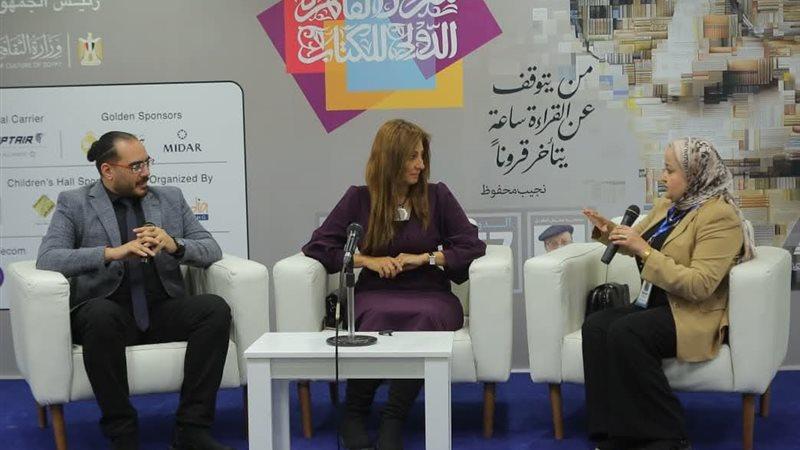
الأخصائية كريمان حامد ودورها في الكتابة العلاجية وزينتوبيا بمعرض الكتاب

Psychologist Kariman Hamed contributes to modern mental health support through therapeutic writing and art therapy during her participation in the Zentopia experience at the Cairo International Book Fair, focusing on emotional expression and psychological well-being.

Aug 15
كيف نستعيد هدوءنا النفسي في عصر التكنولوجيا؟

Maintaining inner peace in the digital age can be challenging with constant smartphone and social media use. Discover practical steps to reduce stress, manage digital overload, and achieve better emotional balance with Karimaan Hamed.

Sep 12
مقياس الذكاء للكبار والصغار

Learn about IQ testing for adults and children with Specialist Kariman Hamed in Ismailia, including the importance of cognitive assessment and choosing an appropriate assessment according to age and purpose.

FAQ

FAQ

Comprehensive and direct answers to the most frequently asked questions about available services and specialties.

Egypt's #1 Verified Directory

Symptoms:

1. Recurrent distressing and obsessive thoughts, such as fear of contamination or making mistakes, leading to constant feelings of anger or anxiety.

2. Compulsive behaviors manifested in repetitive actions, such as excessive hand washing or repeatedly checking things like doors or appliances.

Causes:

1. Genetic Factors: Individuals with a family history of obsessive-compulsive disorder (OCD) may be more prone to developing the condition.

2. Chemical Imbalances in the Brain: A deficiency in serotonin levels in the brain is linked to the development of OCD.

3. Environmental Factors: Life stressors or ongoing tension may contribute to the onset of symptoms.

Treatment:

1. Cognitive Behavioral Therapy (CBT): This is the most effective treatment for OCD, helping patients identify and cope with distressing thoughts in a constructive manner.

2. Medications: Selective Serotonin Reuptake Inhibitors (SSRIs) are used to reduce symptoms, and dosage adjustments may be needed based on the patient’s response.

Does it last a lifetime?

OCD can persist throughout life if not treated properly. However, effective treatment can significantly help individuals manage symptoms and improve their quality of life, making the symptoms more manageable.

 

1. Listening to them: It's important to listen to their feelings without judgment or criticism.

2. Encouraging expression: Help them express their feelings and anxiety in a healthy way.

3. Teaching relaxation techniques: Such as deep breathing exercises or relaxation practices to calm them down.

4. Encouraging social activities: Interacting with friends or family can help improve their mood.

5. Psychotherapy: Such as Cognitive Behavioral Therapy (CBT), which helps them deal with anxiety more effectively.

6. Focusing on physical health: Exercise, getting enough sleep, and eating healthy foods all contribute to improving their mental well-being.

If the anxiety persists or has a significant impact, it’s advisable to consult a specialized mental health professional.

Obsessive-Compulsive Disorder (OCD) is a mental disorder that may persist for extended periods, but it does not necessarily remain as severe throughout life. Symptoms can vary in intensity over time, influenced by factors such as lifestyle changes, stress, and the treatment provided.

What to know:

Treatment can help significantly:

Psychotherapy: Cognitive Behavioral Therapy (CBT), especially the Exposure and Response Prevention (ERP) technique, is highly effective in reducing symptoms.

Medications: Selective Serotonin Reuptake Inhibitors (SSRIs) can alleviate symptoms.

Full recovery is possible:

Some individuals fully recover with appropriate treatment, while others may require long-term follow-up to manage symptoms.

Factors influencing the persistence of symptoms:

Patient's adherence to treatment.

Psychological and social support.

Presence of environmental stressors.

Role of prevention and follow-up:

Minimize excessive stress as much as possible.

Adhere to psychotherapy or medication even when feeling better.

Practice relaxation techniques and meditation.

Conclusion: OCD may last for life if not properly managed, but with proper care, it can be controlled, significantly reducing its impact on a person's life.

Behavior modification sessions for teenagers are therapeutic sessions designed to improve their behaviors by teaching them healthier and more positive responses to the situations they face. These sessions help in dealing with negative behaviors like excessive anger, aggression, poor focus, or social and psychological problems.

How Behavior Modification Sessions Work:

  1. Assessment: The first step is to assess the teenager's behaviors and identify the behaviors that need to be changed.
  2. Training: The teenager learns new techniques to manage their behaviors, such as identifying emotions and dealing with them in a healthy way.
  3. Rewards and Punishments: A reward system is used to reinforce positive behaviors, and mild punishments are implemented to reduce negative behaviors.

Goals:

1. Strengthen positive behaviors.

2. Improve social and communication skills.

3. Reduce destructive or negative behaviors.

Conclusion: Behavior modification sessions are an effective tool to help teenagers modify their behaviors and cope better with daily challenges

1. Identify unwanted behaviors: Such as anger, stubbornness, laziness, or aggressive behavior.

2. Encourage positive behaviors: Like following rules, improving communication skills, and boosting self-confidence.

3. Teach new skills: Such as anger management, problem-solving, and time management.

4. Improve social relationships: With family, friends, and teachers.

  1. Initial Assessment:
    An interview is conducted to understand the adolescent's behavior, their problems, and the surrounding influencing factors (such as family environment, school, and friends).

  2. Creating an Individualized Plan:
    A personalized treatment plan is designed based on the adolescent's needs.

  3. Implementing Behavior Modification Techniques:

    • Positive Reinforcement: Rewarding good behaviors to increase their frequency.
    • Negative Reinforcement: Removing factors that disturb the adolescent when they behave positively.
    • Planned Punishment: Using moderate consequences to reduce undesirable behaviors.
    • Planned Ignoring: Ignoring minor undesirable behaviors to reduce their impact.
    • Social Skills Training: Teaching the adolescent how to interact with others in healthy ways.


1. Excessive anger or irritability: If the teenager acts overly angry or irritated in normal situations.

2. Poor academic performance due to behavioral issues: If there are problems at school because of their behavior.

3. Difficulty interacting with others or making friends: If the teenager struggles with interacting with peers or forming healthy relationships.

4. Aggressive or destructive behaviors: If they engage in aggressive or harmful actions towards themselves or others.

5. Social withdrawal or avoiding responsibilities: If they prefer isolation or avoid their responsibilities at home or school.

6. Issues with home or school rules: If they have trouble respecting rules at home or at school.

These sessions help the teenager improve their behavior and better handle these issues

Personality Disorders are classified into three main groups according to the Diagnostic and Statistical Manual of Mental Disorders (DSM-5):

1. Group (A): Odd or Eccentric Disorders

Paranoid Personality Disorder: Persistent suspicion of others' intentions.

Schizoid Personality Disorder: Social isolation and lack of emotional expression.

Schizotypal Personality Disorder: Odd behaviors and beliefs.

2. Group (B): Dramatic or Emotional Disorders

Borderline Personality Disorder: Intense emotional fluctuations and unstable relationships.

Narcissistic Personality Disorder: Exaggerated sense of self-importance.

Histrionic Personality Disorder: Excessive behavior to gain attention.

Antisocial Personality Disorder: Disregard for others' rights and aggressive behavior.

3. Group (C): Anxiety and Fear-Based Disorders

Avoidant Personality Disorder: Fear of rejection and avoidance of relationships.

Dependent Personality Disorder: Excessive dependence on others.

Obsessive-Compulsive Personality Disorder: Excessive preoccupation with details and perfectionism


1. Genetic Factors:

Some studies suggest that personality disorders can be inherited. If a family member suffers from a specific personality disorder, there may be a higher likelihood of it occurring in subsequent generations. These genetic factors could involve genes that affect thinking patterns, social interaction, and response to various situations.

2. Environmental Factors:

Childhood Trauma: Exposure to trauma, such as violence, neglect, or the loss of a parent, can contribute to the development of personality disorders. Children who experience these traumas may develop unhealthy ways of managing their emotions and relationships in the future.

Abuse: Poor treatment at home, such as bullying or harsh treatment, can significantly impact a person's psychological development and make them more prone to developing personality disorders later in life.

3. Psychological Factors:

Unhealthy Attachment Patterns: Children raised in environments lacking emotional security and effective communication with their parents or caregivers may develop attachment issues. This type of attachment can lead to feelings of mistrust or social anxiety later in life, contributing to the emergence of personality disorders.

Search Directory