



Psychiatrists

Psychiatrists

Medical 93 Directory

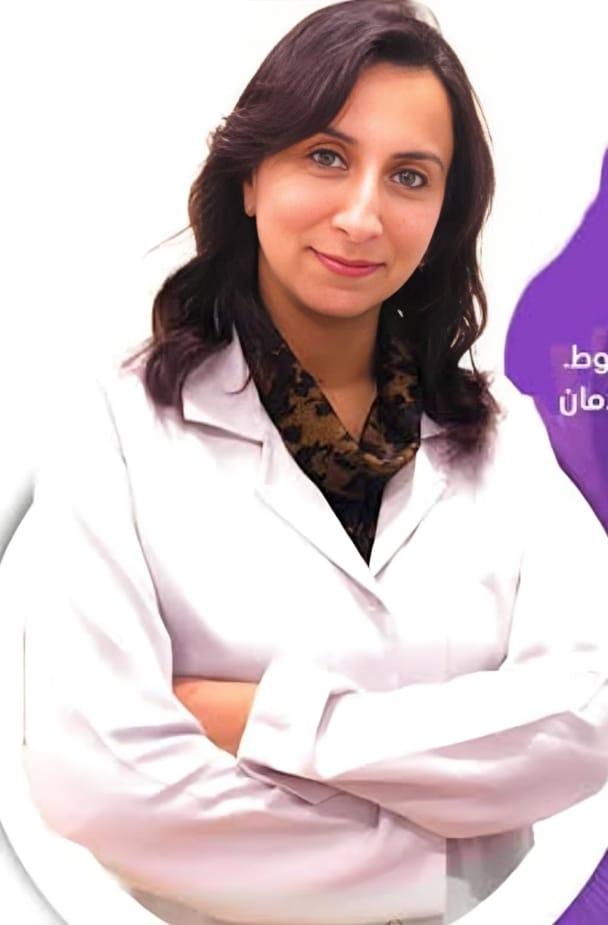
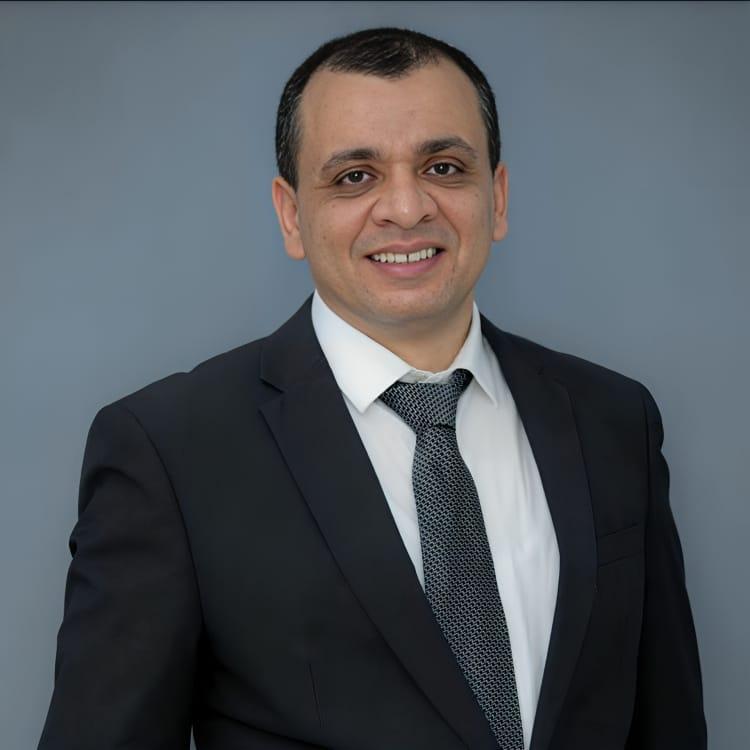
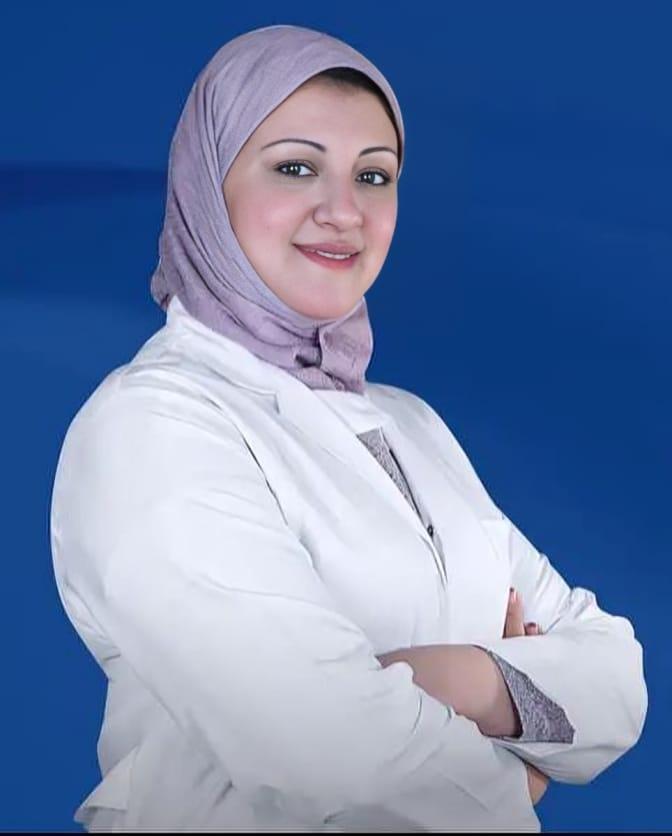
Dr. Dina Nashet

Specialist in Psychiatry, Neurology, and Addiction Treatment

Speciality: Psychiatrists
Hurghada
Address: 283 Mohamed Said Street, Al-Kawthar District, Hurghada

Dr. Dina Nashet - Specialist in Psychiatry, Neurology, and Addiction Treatment Dr. Dina Nashet is a highly... Read More: Dr. Dina Nashet

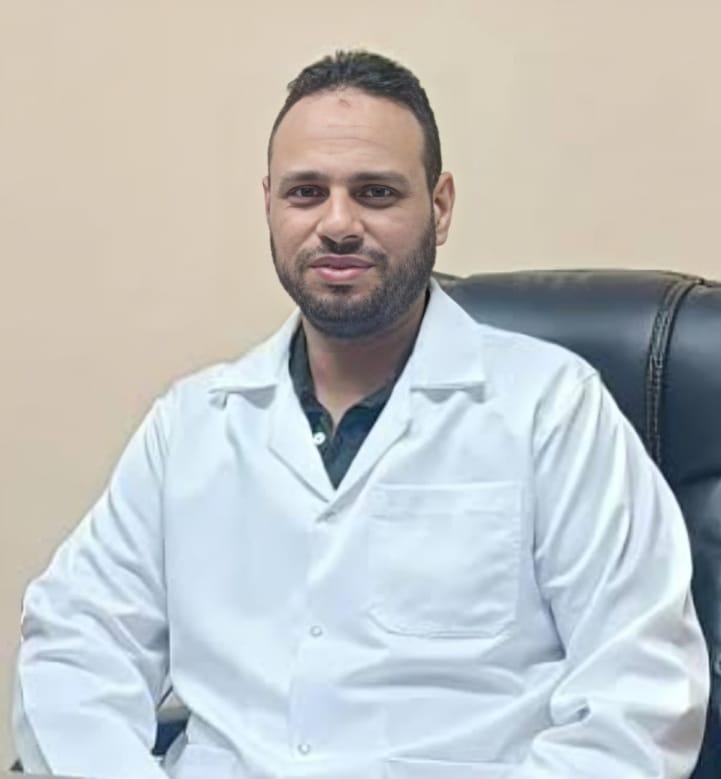
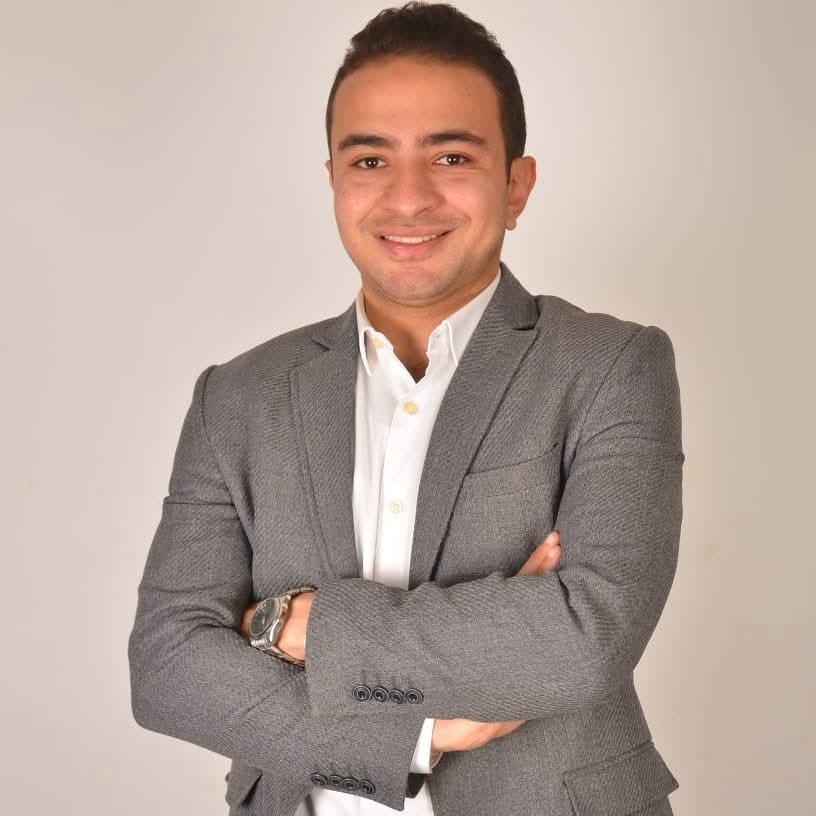
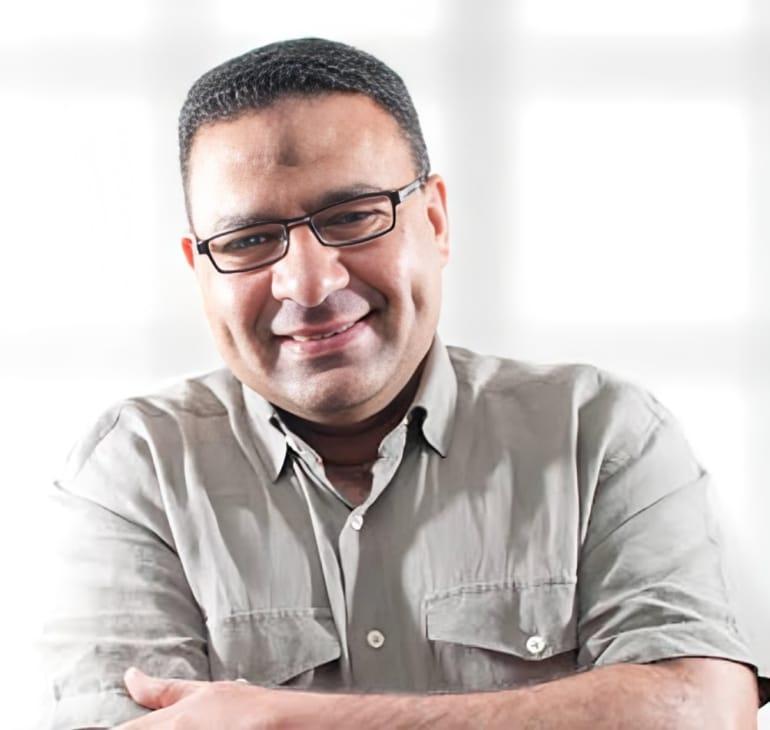
Dr. Mohamed El-Badry

Specialist in Neurology and Psychiatry

Speciality: Psychiatrists
Sohag
Address: : قبلي كوبري الشهيد، فوق صيدلية أحمد الضبع

Dr. Mohamed El-Badry Specialist in Neurology and Psychiatry About Dr. Mohamed El-Badry: Dr. Mohamed El-Badry is a... Read More: Dr. Mohamed El-Badry

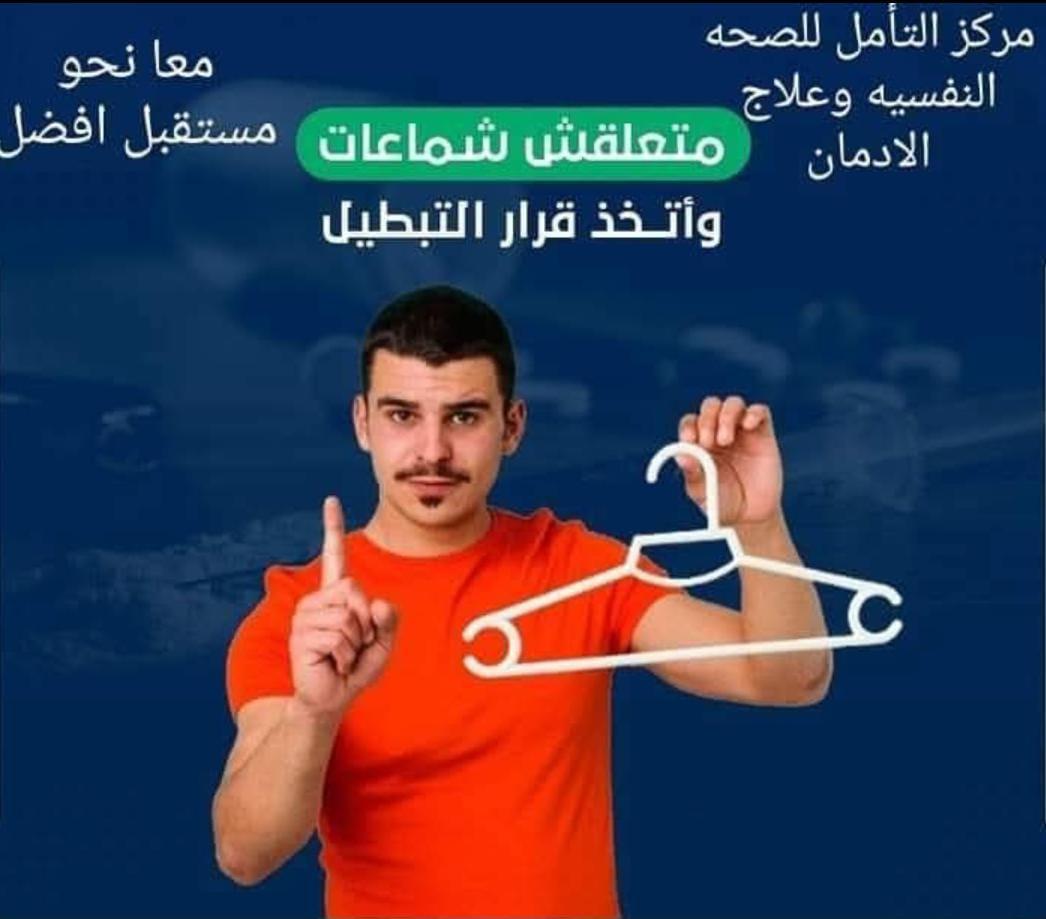
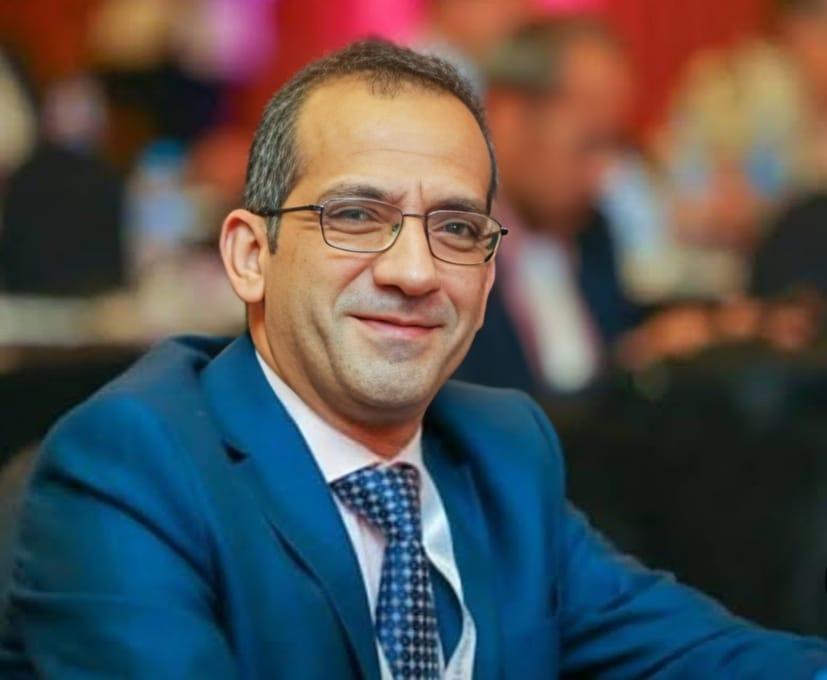
Tamaal Center for Mental Health

specialized center for psychiatry and addiction treatment

Speciality: Psychiatrists
North Sinai
Address: North Sinai - Arish - Al-Bahr Street, 150 meters after Basata Cafeteria.

Tamaal Center for Mental Health and Addiction Treatment in Arish - The first specialized center for... Read More: Tamaal Center for Mental Health

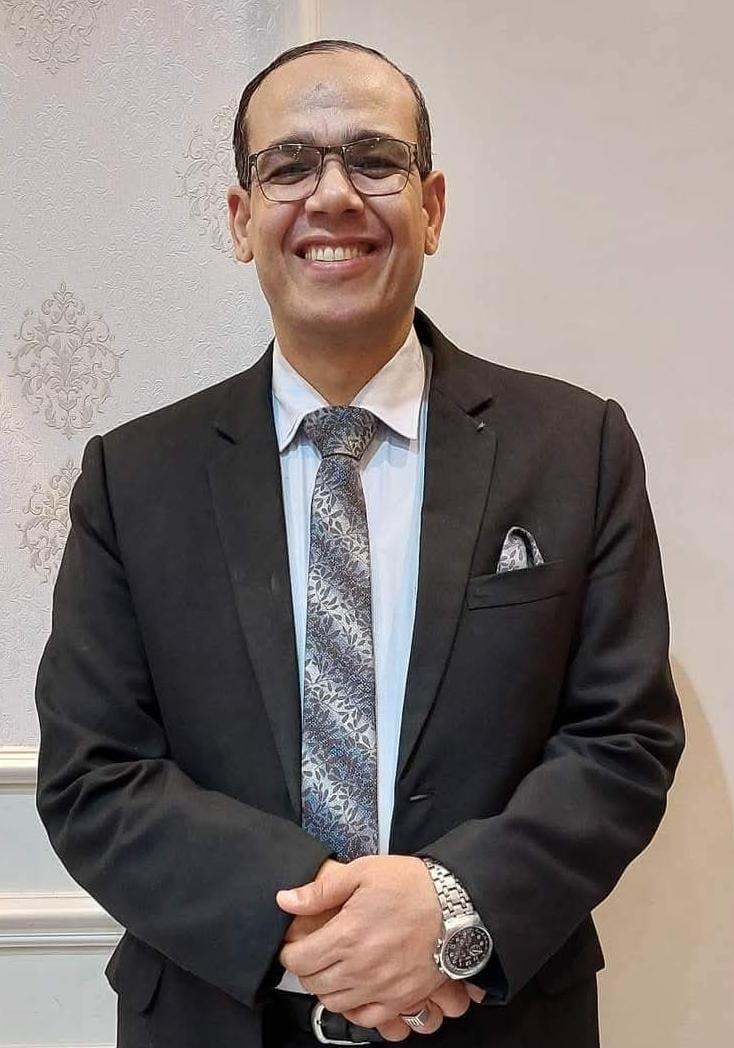
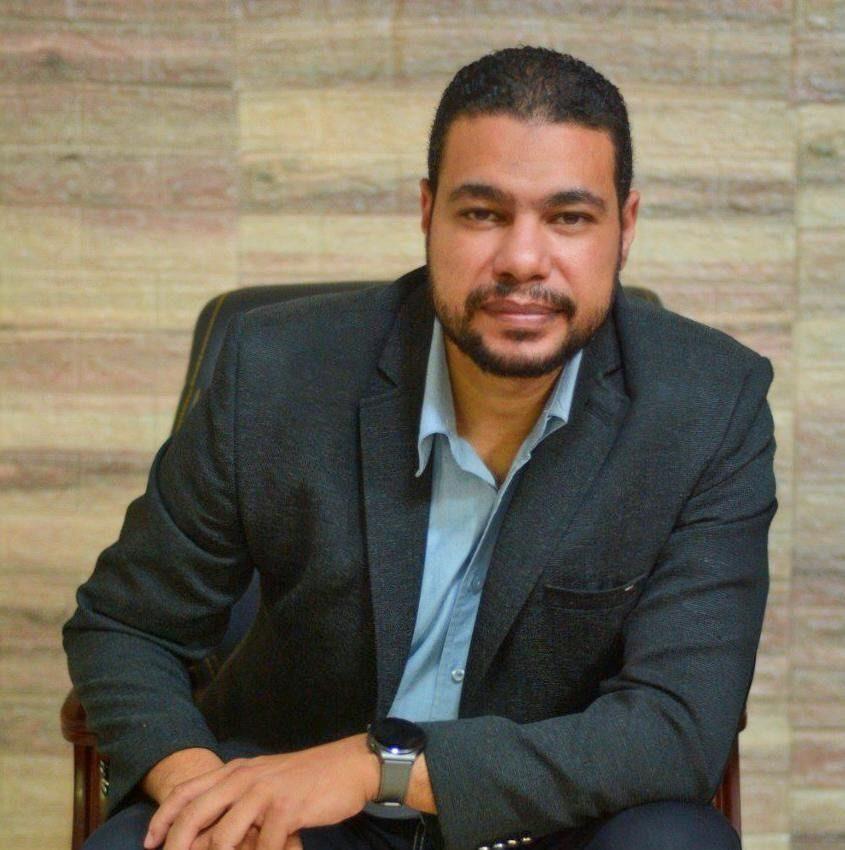
Dr. Ahmed Hosni

Specialist in Psychiatry and Neurology

Speciality: Psychiatrists
South Sinai
Address: Taba, Sinai, El Mansheya Street, inside Golden Mall.

Dr. Ahmed Hosni - Specialist in Psychiatry and Neurology at Royal Care Clinics in Taba, Sinai If... Read More: Dr. Ahmed Hosni

Dr. Michael Salim

Neurologist & Addiction Specialist

Speciality: Psychiatrists
Qena
Address: Qena, on Dendra Bridge Street, directly before the Civil Registry office.

Dr. Michael Salim - Neurologist Addiction Specialist in Qena Head of the Neurology and Addiction Treatment... Read More: Dr. Michael Salim

Dr. Bassam Samir Mikhael

Psychiatrist and Addiction Treatment Specialist

Speciality: Psychiatrists
Minya
Address: Location: Address: Minya City, Al-Husseini Street, Doctors’ Tower, near Al-Mohamadi Restaurant, 5th Floor.

Dr. Bassam Samir Mikhael | Psychiatrist and Addiction Treatment Specialist Dr. Bassam Samir Mikhael is a consultant... Read More: Dr. Bassam Samir Mikhael

Dr. Mohamed Mostafa Marouf

Specialist in Neurology and Psychiatry

Speciality: Psychiatrists
Fayoum
Address: Fayoum, El-Mesalla, above Tiba Koshary, in front of Resala Medical Imaging Center.

Dr. Mohamed Mostafa Marouf Specialist in Neurology and Psychiatry Dr. Mohamed Mostafa Marouf is a specialist in neurology... Read More: Dr. Mohamed Mostafa Marouf

Dr. Tarek Ali Said Rajeh

Professor of Psychiatry and Neurology

Speciality: Neurologist
Luxor
Address: Luxor, Metro Station Street, in front of Ammon Cinema

Dr. Tarek Ali Said Rajeh Professor of Psychiatry and Neurology - Assiut University Specializations: Neurological Disorders 🧠 Psychiatric Disorders for... Read More: Dr. Tarek Ali Said Rajeh

Dr. Mohamed Al-Deeb

Professor and Senior Consultant of Neurology, Psychiatry, and Addiction...

Speciality: Neurologist
Shibin El Kom, Menoufia
Address: Al-Ameen Street, Sharaf Square, next to Al-Nokhba Center for Radiology and Laboratory Tests, Mazaaya Ready-made Clothes Store.

Dr. Mohamed Al-Deeb | Professor and Senior Consultant of Neurology, Psychiatry, and Addiction Treatment 🧠 Dr. Mohamed... Read More: Dr. Mohamed Al-Deeb

Dr. Nancy Ahmed Qandil

Specialist in Neurology and Psychiatry

Speciality: Neurologist
Kafr El Sheikh
Address: Kafr El-Sheikh - Opposite the General Hospital - Next to Abaza Car Dealership

Dr. Nancy Ahmed Qandil | Specialist in Neurology and Psychiatry in Kafr El-Sheikh 🧠💊 About Dr. Nancy: Dr.... Read More: Dr. Nancy Ahmed Qandil

Dr. Mina Gibran

Specialist in Neurology and Psychiatry

Speciality: Neurologist
Hurghada
Address: El Gouna Hospital, Hurghada

Dr. Mina Gibran Specialist in Neurology and Psychiatry Dr. Mina Gibran is a highly skilled specialist... Read More: Dr. Mina Gibran

Dr. Ayman Al-Azouni

Professor of Neurology and Psychiatry

Speciality: Neurologist
Dokki, Giza
Address: 14 Masdique Street, Dokki, 4th Floor, Apartment 42, Giza

🔹 Dr. Ayman Al-Azouni 🩺 Professor of Neurology and Psychiatry - Faculty of Medicine 🎓 Academic Qualifications: PhD in... Read More: Dr. Ayman Al-Azouni

Dr. Mostafa Abd El Salam

Licensed Psychologist and Certified Psychotherapist

Speciality: Psychiatrists
First Settlement New Cairo, Cairo
Address: 414 Villa, Club Street, District 7, First Settlement, Cairo.

Dr. Mustafa Abdel SalamPsychologist and Certified Psychotherapist 🌿 About Dr. MustafaDr. Mustafa Abdel Salam specializes in mental... Read More: Dr. Mostafa Abd El Salam

دليل أفضل أطباء العيون في مصر | احجز الآن بسهولة

هل تبحث عن أفضل طبيب عيون في مصر؟ مع مصر كونكت، أصبح العثور على أخصائي العيون أسهل من أي وقت مضى!

نوفر لك قائمة بأمهر الأطباء المتخصصين في:
تصحيح الإبصار بالليزر، جراحات المياه البيضاء، علاجات الشبكية، وطب عيون الأطفال بأحدث التقنيات الطبية.

لا تتردد في العناية بصحة عينيك، فبصرك يستحق الأفضل!

FAQ

FAQ

Comprehensive and direct answers to the most frequently asked questions about available services and specialties.

Egypt's #1 Verified Directory

Symptoms:

1. Recurrent distressing and obsessive thoughts, such as fear of contamination or making mistakes, leading to constant feelings of anger or anxiety.

2. Compulsive behaviors manifested in repetitive actions, such as excessive hand washing or repeatedly checking things like doors or appliances.

Causes:

1. Genetic Factors: Individuals with a family history of obsessive-compulsive disorder (OCD) may be more prone to developing the condition.

2. Chemical Imbalances in the Brain: A deficiency in serotonin levels in the brain is linked to the development of OCD.

3. Environmental Factors: Life stressors or ongoing tension may contribute to the onset of symptoms.

Treatment:

1. Cognitive Behavioral Therapy (CBT): This is the most effective treatment for OCD, helping patients identify and cope with distressing thoughts in a constructive manner.

2. Medications: Selective Serotonin Reuptake Inhibitors (SSRIs) are used to reduce symptoms, and dosage adjustments may be needed based on the patient’s response.

Does it last a lifetime?

OCD can persist throughout life if not treated properly. However, effective treatment can significantly help individuals manage symptoms and improve their quality of life, making the symptoms more manageable.

 

1. Listening to them: It's important to listen to their feelings without judgment or criticism.

2. Encouraging expression: Help them express their feelings and anxiety in a healthy way.

3. Teaching relaxation techniques: Such as deep breathing exercises or relaxation practices to calm them down.

4. Encouraging social activities: Interacting with friends or family can help improve their mood.

5. Psychotherapy: Such as Cognitive Behavioral Therapy (CBT), which helps them deal with anxiety more effectively.

6. Focusing on physical health: Exercise, getting enough sleep, and eating healthy foods all contribute to improving their mental well-being.

If the anxiety persists or has a significant impact, it’s advisable to consult a specialized mental health professional.

Obsessive-Compulsive Disorder (OCD) is a mental disorder that may persist for extended periods, but it does not necessarily remain as severe throughout life. Symptoms can vary in intensity over time, influenced by factors such as lifestyle changes, stress, and the treatment provided.

What to know:

Treatment can help significantly:

Psychotherapy: Cognitive Behavioral Therapy (CBT), especially the Exposure and Response Prevention (ERP) technique, is highly effective in reducing symptoms.

Medications: Selective Serotonin Reuptake Inhibitors (SSRIs) can alleviate symptoms.

Full recovery is possible:

Some individuals fully recover with appropriate treatment, while others may require long-term follow-up to manage symptoms.

Factors influencing the persistence of symptoms:

Patient's adherence to treatment.

Psychological and social support.

Presence of environmental stressors.

Role of prevention and follow-up:

Minimize excessive stress as much as possible.

Adhere to psychotherapy or medication even when feeling better.

Practice relaxation techniques and meditation.

Conclusion: OCD may last for life if not properly managed, but with proper care, it can be controlled, significantly reducing its impact on a person's life.

Behavior modification sessions for teenagers are therapeutic sessions designed to improve their behaviors by teaching them healthier and more positive responses to the situations they face. These sessions help in dealing with negative behaviors like excessive anger, aggression, poor focus, or social and psychological problems.

How Behavior Modification Sessions Work:

  1. Assessment: The first step is to assess the teenager's behaviors and identify the behaviors that need to be changed.
  2. Training: The teenager learns new techniques to manage their behaviors, such as identifying emotions and dealing with them in a healthy way.
  3. Rewards and Punishments: A reward system is used to reinforce positive behaviors, and mild punishments are implemented to reduce negative behaviors.

Goals:

1. Strengthen positive behaviors.

2. Improve social and communication skills.

3. Reduce destructive or negative behaviors.

Conclusion: Behavior modification sessions are an effective tool to help teenagers modify their behaviors and cope better with daily challenges

1. Identify unwanted behaviors: Such as anger, stubbornness, laziness, or aggressive behavior.

2. Encourage positive behaviors: Like following rules, improving communication skills, and boosting self-confidence.

3. Teach new skills: Such as anger management, problem-solving, and time management.

4. Improve social relationships: With family, friends, and teachers.

  1. Initial Assessment:
    An interview is conducted to understand the adolescent's behavior, their problems, and the surrounding influencing factors (such as family environment, school, and friends).

  2. Creating an Individualized Plan:
    A personalized treatment plan is designed based on the adolescent's needs.

  3. Implementing Behavior Modification Techniques:

    • Positive Reinforcement: Rewarding good behaviors to increase their frequency.
    • Negative Reinforcement: Removing factors that disturb the adolescent when they behave positively.
    • Planned Punishment: Using moderate consequences to reduce undesirable behaviors.
    • Planned Ignoring: Ignoring minor undesirable behaviors to reduce their impact.
    • Social Skills Training: Teaching the adolescent how to interact with others in healthy ways.


1. Excessive anger or irritability: If the teenager acts overly angry or irritated in normal situations.

2. Poor academic performance due to behavioral issues: If there are problems at school because of their behavior.

3. Difficulty interacting with others or making friends: If the teenager struggles with interacting with peers or forming healthy relationships.

4. Aggressive or destructive behaviors: If they engage in aggressive or harmful actions towards themselves or others.

5. Social withdrawal or avoiding responsibilities: If they prefer isolation or avoid their responsibilities at home or school.

6. Issues with home or school rules: If they have trouble respecting rules at home or at school.

These sessions help the teenager improve their behavior and better handle these issues

Personality Disorders are classified into three main groups according to the Diagnostic and Statistical Manual of Mental Disorders (DSM-5):

1. Group (A): Odd or Eccentric Disorders

Paranoid Personality Disorder: Persistent suspicion of others' intentions.

Schizoid Personality Disorder: Social isolation and lack of emotional expression.

Schizotypal Personality Disorder: Odd behaviors and beliefs.

2. Group (B): Dramatic or Emotional Disorders

Borderline Personality Disorder: Intense emotional fluctuations and unstable relationships.

Narcissistic Personality Disorder: Exaggerated sense of self-importance.

Histrionic Personality Disorder: Excessive behavior to gain attention.

Antisocial Personality Disorder: Disregard for others' rights and aggressive behavior.

3. Group (C): Anxiety and Fear-Based Disorders

Avoidant Personality Disorder: Fear of rejection and avoidance of relationships.

Dependent Personality Disorder: Excessive dependence on others.

Obsessive-Compulsive Personality Disorder: Excessive preoccupation with details and perfectionism


1. Genetic Factors:

Some studies suggest that personality disorders can be inherited. If a family member suffers from a specific personality disorder, there may be a higher likelihood of it occurring in subsequent generations. These genetic factors could involve genes that affect thinking patterns, social interaction, and response to various situations.

2. Environmental Factors:

Childhood Trauma: Exposure to trauma, such as violence, neglect, or the loss of a parent, can contribute to the development of personality disorders. Children who experience these traumas may develop unhealthy ways of managing their emotions and relationships in the future.

Abuse: Poor treatment at home, such as bullying or harsh treatment, can significantly impact a person's psychological development and make them more prone to developing personality disorders later in life.

3. Psychological Factors:

Unhealthy Attachment Patterns: Children raised in environments lacking emotional security and effective communication with their parents or caregivers may develop attachment issues. This type of attachment can lead to feelings of mistrust or social anxiety later in life, contributing to the emergence of personality disorders.

Related Categories
Search Directory