Dr. Abdullah Hosni

Dr. Abdullah Hosni

Verified account

Dr. Abdullah Hosni

Psychiatrists Cairo, Nasr City 5 (15 Reviews)
Egypt's #1 Verified Directory Verified Information
Contact
Available Now
Book Appointment / Phone
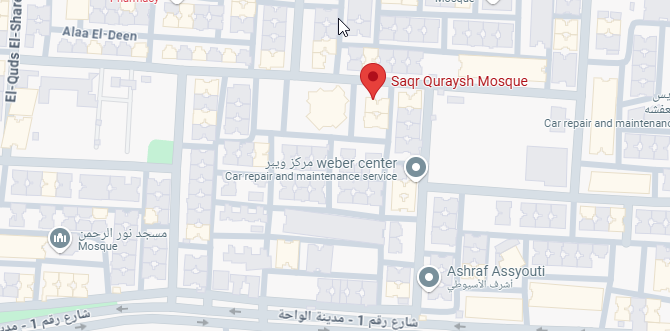
Address

Al-Waha District, Nasr City, next to Saqr Quraish Mosque., Nasr City, Cairo

Location
Dr. Abdullah Hosni
Follow Us
Overview

Consultant in Psychiatry and Neurology

Full Name Dr. Abdullah Hosni
City / Area Cairo , Nasr City
Description

🌟 Curriculum Vitae of Dr. Abdullah Hosni 🌟

Who is Dr. Abdullah Hosni?
Dr. Abdullah Hosni is a consultant in psychiatry and neurology 🧠, a university professor in the field of psychiatry 🏥, and a specialist in behavioral therapy and psychotherapy for individuals and groups. Dr. Hosni has over 20 years of experience providing psychological care 💆‍♂️ and treating psychiatric and behavioral disorders 🧩. He has earned prestigious academic qualifications 🎓 from renowned universities and institutions worldwide 🌍, which has made him one of the leading professionals in his field within Egypt and abroad.

Dr. Hosni is known for using a holistic and supportive approach in dealing with patients ❤️. He tailors his treatment to each individual’s unique needs, always aiming to enhance mental health 🌿 and achieve complete recovery. His treatment methods are based on the latest scientific research and psychological techniques 📚💻.

📜 Academic Qualifications

Fellowship in Psychiatry – United Kingdom 🇬🇧: Dr. Hosni obtained this fellowship from one of the UK’s most renowned universities that offers specialized training in psychiatric and neurological treatments, learning the latest therapeutic approaches and psychiatric advancements.

Master’s in Psychiatric and Neurological Diseases – Ain Shams University 🎓: In this program, Dr. Hosni gained in-depth knowledge about various psychiatric and neurological disorders and their treatment methods.

Diploma in Psychiatry – American University in Cairo 🏫: This diploma provided Dr. Hosni with essential tools to handle complex psychiatric cases.

🧑‍⚕️ Clinical Specialties

Dr. Hosni specializes in treating a wide range of psychiatric and neurological disorders, including various behavioral and neurodevelopmental conditions. Below are some of his main specialties:

Behavioral Disorders in Children and Adolescents 👶👦:
Dr. Hosni specializes in treating children and adolescents suffering from undesirable behaviors such as aggression or rebelliousness. He uses cognitive behavioral therapy (CBT) and other therapeutic methods to help younger patients improve their behavior and perceptions.

Autism Spectrum Disorder (ASD) 🧩:
Dr. Hosni has extensive experience in diagnosing and treating autism spectrum disorder. He provides behavioral therapy and develops social skills to improve social interaction and daily functioning for patients.

Attention Deficit Hyperactivity Disorder (ADHD) ⚡:
Dr. Hosni treats individuals with ADHD, utilizing behavioral therapy and parental training to enhance focus, attention, and social engagement for both children and adults.

Stuttering Treatment 🗣️:
Dr. Hosni specializes in treating stuttering disorders, helping children and adults improve their speech fluency using speech therapy techniques and behavioral interventions.

Anxiety and Depression Treatment 🌧️💭:
Dr. Hosni treats anxiety and depression, employing cognitive behavioral therapy (CBT), and medication when necessary, to improve patients' quality of life and reduce negative symptoms.

Trauma and Stressor-Related Disorders (PTSD) 💔:
Dr. Hosni offers comprehensive care for those suffering from Post-Traumatic Stress Disorder (PTSD) caused by distressing events like war or accidents. He provides psychological support to help patients fully recover from trauma.

🏥 Professional Experience

1. Consultant in Psychiatry and Neurology – Department of Psychiatry and Neurology, Ain Shams University 🏥

Dr. Hosni worked as a consultant at Ain Shams University, where he trained new doctors and guided them on how to handle complex psychiatric and neurological cases. He has also contributed to several scientific research projects in the field.

2. Psychiatrist – Works in several private clinics in Nasr City 🏨

Dr. Hosni provides mental health services in his private clinic, treating patients of all ages. He uses a variety of therapeutic techniques, including cognitive behavioral therapy and exposure therapy, and provides accurate diagnoses of mental health conditions.

3. Academic Lecturer – Conducts Workshops and Lectures on Childhood and Adolescent Disorders in Various Medical and Educational Centers 🎤👨‍🏫

Dr. Hosni is a distinguished trainer in the field of psychiatry. He conducts training workshops and lectures on childhood and adolescent disorders, sharing his expertise with both medical professionals and students.

👨‍⚕️ About Dr. Abdullah Hosni

Dr. Abdullah Hosni is widely recognized for his scientific approach and humanistic interaction with patients. He provides comprehensive and personalized care for each patient, focusing on both psychological and physical well-being. Dr. Hosni is known for his effective treatment strategies and for constantly keeping up-to-date with the latest scientific research in his field. He is particularly skilled at interacting with patients of all ages, offering them empathy and support during their recovery process.

🌱 Personal Vision

"Mental health is the foundation of balance in life. I believe that with consistent psychological support ❤️ and proper guidance, anyone can achieve complete mental recovery. Together, we can transform your life and provide practical solutions to any psychological challenges you face."

Summary

Dr. Abdullah Hosni is a consultant in psychiatry and neurology 🧠 with extensive experience in treating psychiatric disorders of all kinds. Thanks to his advanced qualifications and vast clinical experience, he helps patients achieve full recovery and improve their quality of life. He offers his services both in private clinics and through academic lectures and training workshops for medical professionals.

📍 Contact Details

Address: Hay El Waha, Nasr City, next to Saqr Quresh Mosque 🏙️

Phone Number: +20 100 025 2513 📱

Email: [email protected] 📧

Website: www.drdabdallah.com 🌐

Tags
Best Psychiatrist in the 8th District Best Psychiatrist on Al-Thawra Street Best Psychiatrist on Al-Tayaran Street Best Psychiatrist in Nasr City Best Psychiatrist in the 7th District Best Psychiatrist in Makram Ebeid Best Psychiatrist on Abbas Al-Aqqad Street Best Psychiatrist in City Stars Best Psychiatrist in City Center Best Psychiatrist on Mostafa El-Nahas Street Best Psychiatrist on Ahmed Fahim Street Best Psychiatrist in the Embassies District Best Psychiatrist in Zahraa Nasr City Best Psychiatrist in Wafaa and Amal District Best Psychiatrist in Cairo Psychiatrist in the 8th District Psychiatrist on Al-Thawra Street Psychiatrist on Al-Tayaran Street Psychiatrist in Nasr City Psychiatrist in the 7th District Psychiatrist in Makram Ebeid Psychiatrist on Abbas Al-Aqqad Street Psychiatrist in City Stars Psychiatrist in City Center Psychiatrist on Mostafa El-Nahas Street Psychiatrist on Ahmed Fahim Street Psychiatrist in the Embassies District Psychiatrist in Zahraa Nasr City Psychiatrist in Wafaa and Amal District Psychiatrist in Cairo number Psychiatrist in the 8th District number Psychiatrist on Al-Thawra Street number Psychiatrist on Al-Tayaran Street number Psychiatrist in Nasr City number Psychiatrist in the 7th District number Psychiatrist in Makram Ebeid number Psychiatrist on Abbas Al-Aqqad Street number Psychiatrist in City Stars number Psychiatrist in City Center number Psychiatrist on Mostafa El-Nahas Street number Psychiatrist on Ahmed Fahim Street number Psychiatrist in the Embassies District number Psychiatrist in Zahraa Nasr City number Psychiatrist in Wafaa and Amal District number Psychiatrist in Cairo Psychiatrists in Egypt Best Psychiatrist Based on Experience Psychiatrist Phone Number Nearest Psychiatrist to My Location Psychiatrist and Behavior Modification Psychiatrist and Neurologist WhatsApp Number of a Psychiatrist Psychiatrist on WhatsApp Excellent Psychiatrist Teen Psychiatrist Psychiatrist for Children Psychiatrist for Teenagers Psychiatrist for Addiction Treatment Best Psychiatrist Based on Experience Psychiatrist Phone Number Nearest Psychiatrist to My Location Psychiatrist and Behavior Modification Psychiatrist and Neurologist WhatsApp Number of a Psychiatrist Psychiatrist on WhatsApp Excellent Psychiatrist Teen Psychiatrist Psychiatrist for Children Psychiatrist for Teenagers Psychiatrist for Addiction Treatment Psychiatrist for depression treatment Psychiatrist for anxiety treatment Psychiatrist for OCD treatment Psychiatrist for schizophrenia treatment Psychiatrist for bipolar disorder treatment Psychiatrist for panic disorder treatment Psychiatrist for PTSD treatment Psychiatrist for sleep disorders treatment Psychiatrist for Addiction Treatment Psychiatrist for drug addiction treatment Psychiatrist for alcohol addiction treatment Internet addiction treatment Behavioral addiction treatment Psychological support sessions Psychological consultations Confidential and safe psychiatrist Affordable psychiatrist Book an online therapy session Psychiatrist near me Mental health Psychological support Psychological consultation Psychotherapy Drug addiction treatment Alcohol addiction treatment Internet addiction treatment Behavioral addiction treatment Online psychological consultation Confidential psychotherapy sessions Affordable psychotherapy Reasonably priced psychological consultation Psychiatrist near you Nearby psychiatrist Closest psychiatrist Skilled psychiatrist Good psychiatrist Psychiatrist in Egypt Psychiatrist in Cairo Best Child Psychiatrist in Nasr City

News & Articles

Sep 30
الدكتور عبدالله حسني، استشاري الطب النفسي والعصبي في مصر.

Dr. Abdullah Hosny, a psychiatric consultant specializing in treating children, adolescents, anxiety, and depression in Nasr City.

Oct 21
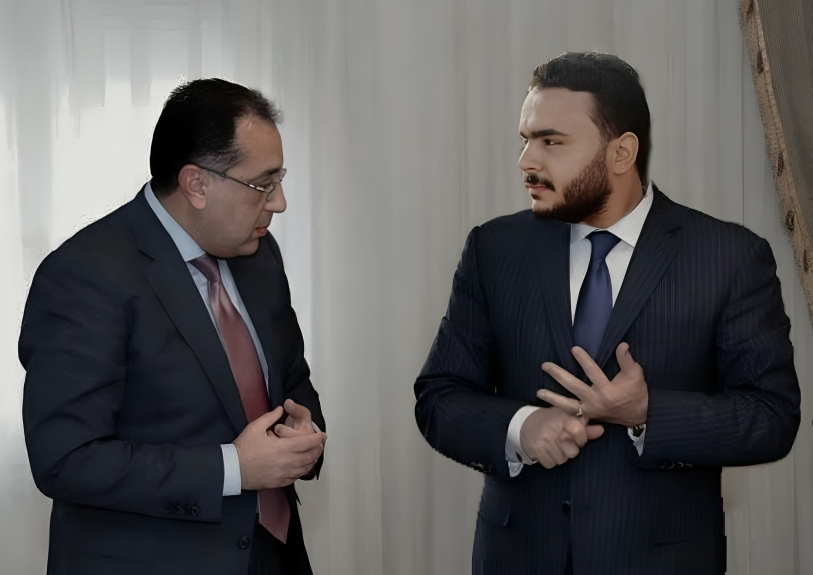
رئيس الوزراء مصطفى مدبولي

رئيس الوزراء مصطفى مدبولي يكرّم الدكتور عبد الله حسني وعدد من الأطباء لإسهاماتهم في البحث الجنائي

Feb 19
أسباب الاضطرابات النفسية

الاضطرابات النفسية تعد من أهم القضايا الصحية التي تؤثر على حياة الأفراد بشكل كبير

Apr 09
ADHD اضطراب فرط الحركة وتشتت الانتباه

من أكثر الاضطرابات السلوكية شيوعًا بين الأطفال والمراهقين، حيث يؤثر على قدرتهم على التركيز، وتنظيم سلوكهم، والانتباه بشكل فعال.

Apr 09
الأسباب المحتملة لاضطراب التلعثم

تُعتبر اضطرابات التلعثم من أبرز الاضطرابات التي تؤثر على قدرة الشخص في التواصل اللفظي بشكل طبيعي

Apr 09
القلق والاكتئاب

تُعد الاضطرابات النفسية مثل القلق والاكتئاب من أكثر المشاكل النفسية شيوعًا في العصر الحديث

FAQ

FAQ

Comprehensive and direct answers to the most frequently asked questions about available services and specialties.

Egypt's #1 Verified Directory

Dr. Abdullah Hosni is a distinguished consultant specializing in psychiatry and neurology, as well as a highly respected academic professor in the field. He holds a fellowship in psychiatry from the United Kingdom, a Master’s degree in psychiatry and neurology from Ain Shams University, and a diploma in psychiatry from the American University in Cairo.

With over 20 years of extensive experience, Dr. Hosni has developed expertise in managing a wide range of psychiatric and neurological disorders, including behavioral disorders in children and adolescents, autism spectrum disorder, attention deficit hyperactivity disorder (ADHD), anxiety, depression, and post-traumatic stress disorder (PTSD). He is also a specialist in behavioral therapy and psychotherapy for both individuals and groups, employing the latest evidence-based practices in psychiatry to ensure sustainable improvement.

Dr. Hosni is deeply committed to providing scientific and practical solutions to the psychological challenges faced by his patients. His empathetic and human-centered approach empowers individuals to overcome their mental health challenges and achieve lasting recovery. By integrating state-of-the-art therapeutic techniques, he consistently delivers meaningful outcomes for his patients’ well-being.

Dr. Abdullah Hosni offers his services through multiple private clinics in Nasr City and is an active contributor to the academic and professional community. He conducts lectures and workshops focused on childhood and adolescent psychiatric disorders, raising awareness and promoting mental health at both academic and societal levels.

You can contact Dr. Abdullah Hosni through the following channels:

Address: The clinic is located in Hay Al-Waha, Nasr City, near Saqr Quraish Mosque, Cairo.

Phone Number: For appointments or inquiries, please call: +20 100 025 2513.

Email: For further information or specific questions, you can send an email to: [email protected].

Website: To learn more about the services provided by Dr. Abdullah Hosni, please visit: www.drdabdallah.com.

Feel free to use any of these contact methods to schedule an appointment or inquire about the professional psychiatric and neurological services offered by Dr. Hosni.

Symptoms:

1. Recurrent distressing and obsessive thoughts, such as fear of contamination or making mistakes, leading to constant feelings of anger or anxiety.

2. Compulsive behaviors manifested in repetitive actions, such as excessive hand washing or repeatedly checking things like doors or appliances.

Causes:

1. Genetic Factors: Individuals with a family history of obsessive-compulsive disorder (OCD) may be more prone to developing the condition.

2. Chemical Imbalances in the Brain: A deficiency in serotonin levels in the brain is linked to the development of OCD.

3. Environmental Factors: Life stressors or ongoing tension may contribute to the onset of symptoms.

Treatment:

1. Cognitive Behavioral Therapy (CBT): This is the most effective treatment for OCD, helping patients identify and cope with distressing thoughts in a constructive manner.

2. Medications: Selective Serotonin Reuptake Inhibitors (SSRIs) are used to reduce symptoms, and dosage adjustments may be needed based on the patient’s response.

Does it last a lifetime?

OCD can persist throughout life if not treated properly. However, effective treatment can significantly help individuals manage symptoms and improve their quality of life, making the symptoms more manageable.


1. Listening to them: It's important to listen to their feelings without judgment or criticism.

2. Encouraging expression: Help them express their feelings and anxiety in a healthy way.

3. Teaching relaxation techniques: Such as deep breathing exercises or relaxation practices to calm them down.

4. Encouraging social activities: Interacting with friends or family can help improve their mood.

5. Psychotherapy: Such as Cognitive Behavioral Therapy (CBT), which helps them deal with anxiety more effectively.

6. Focusing on physical health: Exercise, getting enough sleep, and eating healthy foods all contribute to improving their mental well-being.

If the anxiety persists or has a significant impact, it’s advisable to consult a specialized mental health professional.

Obsessive-Compulsive Disorder (OCD) is a mental disorder that may persist for extended periods, but it does not necessarily remain as severe throughout life. Symptoms can vary in intensity over time, influenced by factors such as lifestyle changes, stress, and the treatment provided.

What to know:

Treatment can help significantly:

Psychotherapy: Cognitive Behavioral Therapy (CBT), especially the Exposure and Response Prevention (ERP) technique, is highly effective in reducing symptoms.

Medications: Selective Serotonin Reuptake Inhibitors (SSRIs) can alleviate symptoms.

Full recovery is possible:

Some individuals fully recover with appropriate treatment, while others may require long-term follow-up to manage symptoms.

Factors influencing the persistence of symptoms:

Patient's adherence to treatment.

Psychological and social support.

Presence of environmental stressors.

Role of prevention and follow-up:

Minimize excessive stress as much as possible.

Adhere to psychotherapy or medication even when feeling better.

Practice relaxation techniques and meditation.

Conclusion: OCD may last for life if not properly managed, but with proper care, it can be controlled, significantly reducing its impact on a person's life.

Behavior modification sessions for teenagers are therapeutic sessions designed to improve their behaviors by teaching them healthier and more positive responses to the situations they face. These sessions help in dealing with negative behaviors like excessive anger, aggression, poor focus, or social and psychological problems.

How Behavior Modification Sessions Work:

  1. Assessment: The first step is to assess the teenager's behaviors and identify the behaviors that need to be changed.
  2. Training: The teenager learns new techniques to manage their behaviors, such as identifying emotions and dealing with them in a healthy way.
  3. Rewards and Punishments: A reward system is used to reinforce positive behaviors, and mild punishments are implemented to reduce negative behaviors.

Goals:

1. Strengthen positive behaviors.

2. Improve social and communication skills.

3. Reduce destructive or negative behaviors.

Conclusion: Behavior modification sessions are an effective tool to help teenagers modify their behaviors and cope better with daily challenges

1. Identify unwanted behaviors: Such as anger, stubbornness, laziness, or aggressive behavior.

2. Encourage positive behaviors: Like following rules, improving communication skills, and boosting self-confidence.

3. Teach new skills: Such as anger management, problem-solving, and time management.

4. Improve social relationships: With family, friends, and teachers.

  1. Initial Assessment:
    An interview is conducted to understand the adolescent's behavior, their problems, and the surrounding influencing factors (such as family environment, school, and friends).

  2. Creating an Individualized Plan:
    A personalized treatment plan is designed based on the adolescent's needs.

  3. Implementing Behavior Modification Techniques:

    • Positive Reinforcement: Rewarding good behaviors to increase their frequency.
    • Negative Reinforcement: Removing factors that disturb the adolescent when they behave positively.
    • Planned Punishment: Using moderate consequences to reduce undesirable behaviors.
    • Planned Ignoring: Ignoring minor undesirable behaviors to reduce their impact.
    • Social Skills Training: Teaching the adolescent how to interact with others in healthy ways.


1. Excessive anger or irritability: If the teenager acts overly angry or irritated in normal situations.

2. Poor academic performance due to behavioral issues: If there are problems at school because of their behavior.

3. Difficulty interacting with others or making friends: If the teenager struggles with interacting with peers or forming healthy relationships.

4. Aggressive or destructive behaviors: If they engage in aggressive or harmful actions towards themselves or others.

5. Social withdrawal or avoiding responsibilities: If they prefer isolation or avoid their responsibilities at home or school.

6. Issues with home or school rules: If they have trouble respecting rules at home or at school.

These sessions help the teenager improve their behavior and better handle these issues

Personality Disorders are classified into three main groups according to the Diagnostic and Statistical Manual of Mental Disorders (DSM-5):

1. Group (A): Odd or Eccentric Disorders

Paranoid Personality Disorder: Persistent suspicion of others' intentions.

Schizoid Personality Disorder: Social isolation and lack of emotional expression.

Schizotypal Personality Disorder: Odd behaviors and beliefs.

2. Group (B): Dramatic or Emotional Disorders

Borderline Personality Disorder: Intense emotional fluctuations and unstable relationships.

Narcissistic Personality Disorder: Exaggerated sense of self-importance.

Histrionic Personality Disorder: Excessive behavior to gain attention.

Antisocial Personality Disorder: Disregard for others' rights and aggressive behavior.

3. Group (C): Anxiety and Fear-Based Disorders

Avoidant Personality Disorder: Fear of rejection and avoidance of relationships.

Dependent Personality Disorder: Excessive dependence on others.

Obsessive-Compulsive Personality Disorder: Excessive preoccupation with details and perfectionism


1. Genetic Factors:

Some studies suggest that personality disorders can be inherited. If a family member suffers from a specific personality disorder, there may be a higher likelihood of it occurring in subsequent generations. These genetic factors could involve genes that affect thinking patterns, social interaction, and response to various situations.

2. Environmental Factors:

Childhood Trauma: Exposure to trauma, such as violence, neglect, or the loss of a parent, can contribute to the development of personality disorders. Children who experience these traumas may develop unhealthy ways of managing their emotions and relationships in the future.

Abuse: Poor treatment at home, such as bullying or harsh treatment, can significantly impact a person's psychological development and make them more prone to developing personality disorders later in life.

3. Psychological Factors:

Unhealthy Attachment Patterns: Children raised in environments lacking emotional security and effective communication with their parents or caregivers may develop attachment issues. This type of attachment can lead to feelings of mistrust or social anxiety later in life, contributing to the emergence of personality disorders.

Search Directory