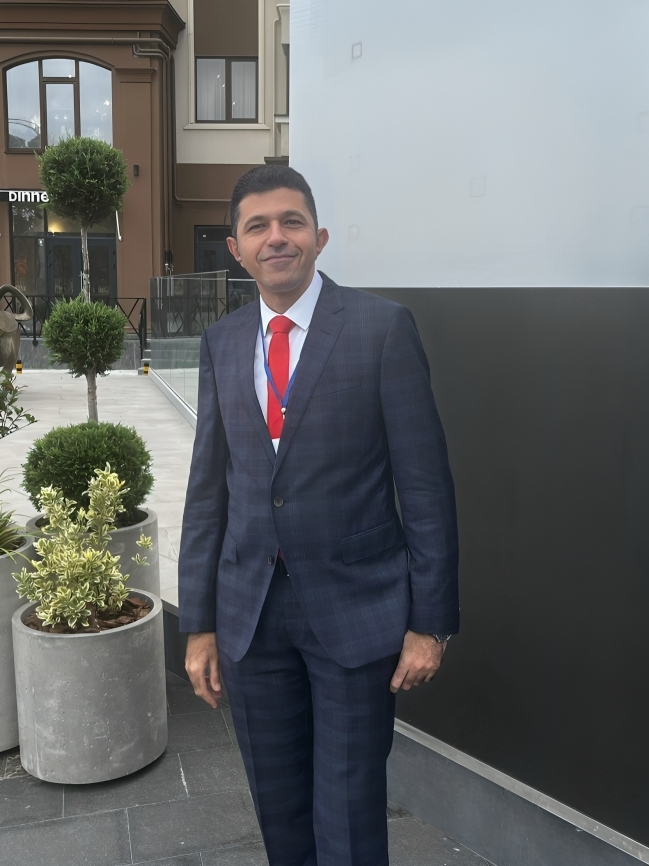
Dr. Mohamed El Wasify

Dr. Mohamed El Wasify

Verified account

Dr. Mohamed El Wasify

Psychiatrists Cairo, Tagamoaa Khames 5 (15 Reviews)
Egypt's #1 Verified Directory Verified Information
Contact
Available Now
Book Appointment / Phone
Address

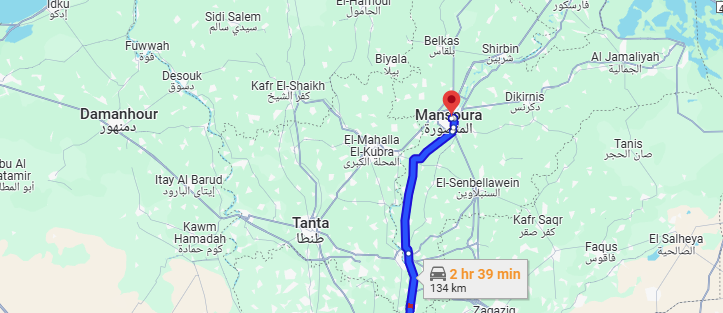
Mansoura: Mit Hadr, behind Sidi Saad Mosque., Tagamoaa Khames, Cairo

Location
Dr. Mohamed El Wasify
Follow Us
Overview

Professor of Psychiatry, Addiction, and Sleep Medicine - Faculty of Medicine, Mansoura University

Full Name Dr. Mohamed El Wasify
City / Area Cairo , Tagamoaa Khames
Description

๐Ÿ‘จ‍โš•๏ธ Dr. Mohamed El-Wasify

๐Ÿ… Academic Title: Professor of Psychiatry, Addiction, and Sleep Medicine – Faculty of Medicine, Mansoura University
๐Ÿ™๏ธ Address: Mansoura, Egypt
๐Ÿ“ง Email: [email protected]
๐Ÿ“ž Mobile: +00201004315042
๐Ÿ“ฑ Landline: 0502323241

๐Ÿฉบ About Dr. Mohamed El-Wasify

Dr. Mohamed El-Wasify is a Professor of Psychiatry, Addiction, and Sleep Medicine at Mansoura University with over 15 years of experience.
He specializes in Attention Deficit Hyperactivity Disorder (ADHD), Addiction, Sleep Disorders, Schizophrenia, Depression, and Bipolar Disorder. He is considered one of the leading specialists in Sleep Medicine and Addiction Treatment and has made significant contributions to research in these fields.

๐ŸŽ“ Academic Qualifications

๐Ÿ‘จ‍๐Ÿซ Professor of Psychiatry, Mansoura University – December 2023

๐Ÿง  Director of the Neurophysiology Unit (Sleep Laboratory and Transcranial Magnetic Stimulation) – Mansoura University – June 2022 – Present

๐Ÿ“œ Associate Professor of Psychiatry, Mansoura University – December 2018

๐ŸŽ“ Lecturer in the Psychiatry Department, Mansoura University – December 2013

๐Ÿฉบ Fellowship of the American Academy of Sleep Medicine – June 2013

๐ŸŽ“ Ph.D. in Psychiatry, Mansoura University – December 2013

Thesis Title: "Phenomenological and Genetic Study of Attention Deficit Hyperactivity Disorder (ADHD)"

๐Ÿ’‰ Foreign Medical Graduate Certification (ECFMG) – January 2013

๐ŸŽ“ Master's Degree in Neurology and Psychiatry, Mansoura University (2006 - 2009)

Thesis Title: "Recent Trends in Schizophrenia Genetics"

๐ŸŽ“ Bachelor's Degree in Medicine and Surgery, Mansoura University – 2004

๐Ÿ’ผ Professional Experience

๐Ÿง‘‍โš•๏ธ Director of the Neurophysiology Unit, Mansoura University (June 2022 – Present)

Responsible for managing Sleep Laboratories and Transcranial Magnetic Stimulation (TMS).

๐Ÿ‘จ‍โš•๏ธ Assistant Professor of Psychiatry, Mansoura University (2009 - 2013)

Delivered both practical and theoretical lectures in psychiatry.

๐Ÿ‘ฉ‍โš•๏ธ Resident in the Psychiatry Department, Mansoura University Hospitals (2006 - 2009)

Provided specialized psychiatric consultations for patients.

๐Ÿฉบ Medical Intern, Mansoura University Hospitals (2005 - 2006)

Worked in various medical departments to enhance clinical skills.

๐Ÿง  Advanced Training

๐Ÿ“š Certified Training in Transcranial Magnetic Stimulation (TMS) – June 2022

๐ŸŒ Fellowship in Sleep Medicine – Florida Sleep Institute, Spring Hill, Florida (May - June 2013)

๐Ÿฅ Observational Training in Psychiatry and Sleep Medicine at prestigious universities such as:

๐ŸŽ“ University of Alabama

๐Ÿฅ Cleveland Clinic

๐ŸŽ“ University of Alabama at Birmingham (2012 - 2013)

๐Ÿง‘‍โš•๏ธ Specializations and Skills

๐Ÿ’ค Sleep Disorders Treatment:

Insomnia, Sleep Apnea, Excessive Daytime Sleepiness.

Utilizes Continuous Positive Airway Pressure (CPAP) and Cognitive Behavioral Therapy (CBT).

๐Ÿง  Diagnosis and Treatment of Attention Deficit Hyperactivity Disorder (ADHD):

Treats both children and adults using advanced therapeutic methods.

โš–๏ธ Treatment of Psychiatric Disorders:

Schizophrenia, Depression, Bipolar Disorder, Anxiety, OCD.

Combines psychotherapy and pharmacological treatment.

๐Ÿง‘‍๐Ÿ”ฌ Transcranial Magnetic Stimulation (TMS):

For treating depression and other psychiatric disorders unresponsive to traditional treatment.

๐Ÿ”ฌ Scientific Research:

Contributions to psychiatric and sleep medicine fields, focusing on novel treatments.

๐Ÿ“œ Certifications and Licenses

๐ŸŽ“ Fellowship of the American Academy of Sleep Medicine

๐ŸŒ Certification from the Educational Commission for Foreign Medical Graduates (ECFMG)

๐Ÿ’‰ US Medical License (USMLE Steps 1, 2 CK, 2 CS)

๐Ÿ“ Clinic Locations

๐Ÿ“ New Cairo: Cairo Medical Center

๐Ÿ“ Mansoura: Mit Hadr, behind Sidi Saad Mosque

๐Ÿ“ž Contact Information

๐Ÿ“ฑ Mobile: +00201000190764 / +00201025071007

๐Ÿฅ Consultations and Treatment

Dr. Mohamed El-Wasify provides specialized consultations and treatment in psychiatry and sleep medicine, focusing on treating psychiatric disorders using advanced techniques such as Transcranial Magnetic Stimulation (TMS) and Cognitive Behavioral Therapy (CBT).
He is a prominent expert in treating Attention Deficit Hyperactivity Disorder (ADHD) and sleep disorders.

๐Ÿ”‘ Unique Aspects of His Work

Comprehensive treatment including psychotherapy and pharmacological therapy.

Advanced techniques like Transcranial Magnetic Stimulation (TMS).

Online consultations for patients worldwide.

Specialization in treating both children and adults with ADHD and sleep disorders.

๐Ÿ”ฌ Scientific Research

Research in Psychiatry and Sleep Medicine includes studies on psychiatric disorders and novel treatments.

Therapeutic research focusing on Transcranial Magnetic Stimulation (TMS) for depression and other psychiatric conditions.

๐ŸŒ Countries Where Services Are Available

Egypt: Mansoura, Cairo.

Arab Countries: Online consultations are available for patients in Arab countries.

Tags
Best Psychiatrist in New Cairo Fifth District Best Psychiatrist in Cairo Psychiatrist in New Cairo Fifth District Psychiatrist in Cairo number Psychiatrist in Cairo The best psychiatrist in Mansoura. The phone number of a psychiatrist in Mansoura. Psychiatric Disorders Psychiatric Rehabilitation Latest Psychotherapy Techniques Relaxation Techniques for Mental Health Psychiatry Treatment of mental illnesses Psychotherapy for children Neuropsychological therapy Psychological rehabilitation for patients in Cairo Psychological and mental disorders Treatment of sleep disorders Sleep disorders. Cognitive Behavioral Therapy Online psychological consultations. Treatment for hyperactivity disorders in Mansoura. Treating insomnia using CBT Child psychiatry. Best Psychiatrist Based on Experience Psychiatrist Phone Number Nearest Psychiatrist to My Location Psychiatrist and Behavior Modification Psychiatrist and Neurologist WhatsApp Number of a Psychiatrist Psychiatrist on WhatsApp Excellent Psychiatrist Teen Psychiatrist Psychiatrist for Children Psychiatrist for Teenagers Psychiatrist for Addiction Treatment Best Psychiatrist Based on Experience Psychiatrist Phone Number Nearest Psychiatrist to My Location Psychiatrist and Behavior Modification Psychiatrist and Neurologist WhatsApp Number of a Psychiatrist Psychiatrist on WhatsApp Excellent Psychiatrist Teen Psychiatrist Psychiatrist for Children Psychiatrist for Teenagers Psychiatrist for Addiction Treatment Psychiatrist for depression treatment Psychiatrist for anxiety treatment Psychiatrist for OCD treatment Psychiatrist for schizophrenia treatment Psychiatrist for bipolar disorder treatment Psychiatrist for panic disorder treatment Psychiatrist for PTSD treatment Psychiatrist for sleep disorders treatment Psychiatrist for Addiction Treatment Psychiatrist for drug addiction treatment Psychiatrist for alcohol addiction treatment Internet addiction treatment Behavioral addiction treatment Psychological support sessions Psychological consultations Confidential and safe psychiatrist Affordable psychiatrist Book an online therapy session Psychiatrist near me Mental health Psychological support Psychological consultation Psychotherapy Drug addiction treatment Alcohol addiction treatment Internet addiction treatment Behavioral addiction treatment Online psychological consultation Confidential psychotherapy sessions Affordable psychotherapy Reasonably priced psychological consultation Psychiatrist near you Nearby psychiatrist Closest psychiatrist Skilled psychiatrist Good psychiatrist Psychiatrist in Egypt Psychiatrist in Cairo

News & Articles

FAQ

FAQ

Comprehensive and direct answers to the most frequently asked questions about available services and specialties.

Egypt's #1 Verified Directory

Dr. Mohamed Al-Wasefy is a distinguished Professor of Psychiatry, Addiction, and Sleep Medicine at the Faculty of Medicine, Mansoura University. He is considered an expert in his field with over 15 years of experience in treating Attention Deficit Hyperactivity Disorder (ADHD), as well as in sleep medicine and addiction. He holds a PhD in ADHD and is an active member of the American Society of Addiction Medicine and Sleep Medicine. Dr. Al-Wasefy provides specialized consultation and treatment services to patients both in Egypt and internationally, through his clinics at Cairo Medical Center in New Cairo and in Mansoura.

You can contact Dr. Mohamed Al-Wasefy through the following means:

Mobile: +00201000190764 / +00201025071007

Email: [email protected]

Landline: 0502323241

Clinic Locations:

New Cairo: Cairo Medical Center

Mansoura: Mit Hadr, behind Sidi Saad Mosque

For appointments or inquiries, please contact via the mentioned phone numbers or email. Dr. Mohamed Al-Wasefy provides specialized psychiatric care in the treatment of sleep disorders and addiction using the latest scientific methods.

Symptoms:

1. Recurrent distressing and obsessive thoughts, such as fear of contamination or making mistakes, leading to constant feelings of anger or anxiety.

2. Compulsive behaviors manifested in repetitive actions, such as excessive hand washing or repeatedly checking things like doors or appliances.

Causes:

1. Genetic Factors: Individuals with a family history of obsessive-compulsive disorder (OCD) may be more prone to developing the condition.

2. Chemical Imbalances in the Brain: A deficiency in serotonin levels in the brain is linked to the development of OCD.

3. Environmental Factors: Life stressors or ongoing tension may contribute to the onset of symptoms.

Treatment:

1. Cognitive Behavioral Therapy (CBT): This is the most effective treatment for OCD, helping patients identify and cope with distressing thoughts in a constructive manner.

2. Medications: Selective Serotonin Reuptake Inhibitors (SSRIs) are used to reduce symptoms, and dosage adjustments may be needed based on the patient’s response.

Does it last a lifetime?

OCD can persist throughout life if not treated properly. However, effective treatment can significantly help individuals manage symptoms and improve their quality of life, making the symptoms more manageable.


1. Listening to them: It's important to listen to their feelings without judgment or criticism.

2. Encouraging expression: Help them express their feelings and anxiety in a healthy way.

3. Teaching relaxation techniques: Such as deep breathing exercises or relaxation practices to calm them down.

4. Encouraging social activities: Interacting with friends or family can help improve their mood.

5. Psychotherapy: Such as Cognitive Behavioral Therapy (CBT), which helps them deal with anxiety more effectively.

6. Focusing on physical health: Exercise, getting enough sleep, and eating healthy foods all contribute to improving their mental well-being.

If the anxiety persists or has a significant impact, it’s advisable to consult a specialized mental health professional.

Obsessive-Compulsive Disorder (OCD) is a mental disorder that may persist for extended periods, but it does not necessarily remain as severe throughout life. Symptoms can vary in intensity over time, influenced by factors such as lifestyle changes, stress, and the treatment provided.

What to know:

Treatment can help significantly:

Psychotherapy: Cognitive Behavioral Therapy (CBT), especially the Exposure and Response Prevention (ERP) technique, is highly effective in reducing symptoms.

Medications: Selective Serotonin Reuptake Inhibitors (SSRIs) can alleviate symptoms.

Full recovery is possible:

Some individuals fully recover with appropriate treatment, while others may require long-term follow-up to manage symptoms.

Factors influencing the persistence of symptoms:

Patient's adherence to treatment.

Psychological and social support.

Presence of environmental stressors.

Role of prevention and follow-up:

Minimize excessive stress as much as possible.

Adhere to psychotherapy or medication even when feeling better.

Practice relaxation techniques and meditation.

Conclusion: OCD may last for life if not properly managed, but with proper care, it can be controlled, significantly reducing its impact on a person's life.

Behavior modification sessions for teenagers are therapeutic sessions designed to improve their behaviors by teaching them healthier and more positive responses to the situations they face. These sessions help in dealing with negative behaviors like excessive anger, aggression, poor focus, or social and psychological problems.

How Behavior Modification Sessions Work:

  1. Assessment: The first step is to assess the teenager's behaviors and identify the behaviors that need to be changed.
  2. Training: The teenager learns new techniques to manage their behaviors, such as identifying emotions and dealing with them in a healthy way.
  3. Rewards and Punishments: A reward system is used to reinforce positive behaviors, and mild punishments are implemented to reduce negative behaviors.

Goals:

1. Strengthen positive behaviors.

2. Improve social and communication skills.

3. Reduce destructive or negative behaviors.

Conclusion: Behavior modification sessions are an effective tool to help teenagers modify their behaviors and cope better with daily challenges

1. Identify unwanted behaviors: Such as anger, stubbornness, laziness, or aggressive behavior.

2. Encourage positive behaviors: Like following rules, improving communication skills, and boosting self-confidence.

3. Teach new skills: Such as anger management, problem-solving, and time management.

4. Improve social relationships: With family, friends, and teachers.

  1. Initial Assessment:
    An interview is conducted to understand the adolescent's behavior, their problems, and the surrounding influencing factors (such as family environment, school, and friends).

  2. Creating an Individualized Plan:
    A personalized treatment plan is designed based on the adolescent's needs.

  3. Implementing Behavior Modification Techniques:

    • Positive Reinforcement: Rewarding good behaviors to increase their frequency.
    • Negative Reinforcement: Removing factors that disturb the adolescent when they behave positively.
    • Planned Punishment: Using moderate consequences to reduce undesirable behaviors.
    • Planned Ignoring: Ignoring minor undesirable behaviors to reduce their impact.
    • Social Skills Training: Teaching the adolescent how to interact with others in healthy ways.


1. Excessive anger or irritability: If the teenager acts overly angry or irritated in normal situations.

2. Poor academic performance due to behavioral issues: If there are problems at school because of their behavior.

3. Difficulty interacting with others or making friends: If the teenager struggles with interacting with peers or forming healthy relationships.

4. Aggressive or destructive behaviors: If they engage in aggressive or harmful actions towards themselves or others.

5. Social withdrawal or avoiding responsibilities: If they prefer isolation or avoid their responsibilities at home or school.

6. Issues with home or school rules: If they have trouble respecting rules at home or at school.

These sessions help the teenager improve their behavior and better handle these issues

Personality Disorders are classified into three main groups according to the Diagnostic and Statistical Manual of Mental Disorders (DSM-5):

1. Group (A): Odd or Eccentric Disorders

Paranoid Personality Disorder: Persistent suspicion of others' intentions.

Schizoid Personality Disorder: Social isolation and lack of emotional expression.

Schizotypal Personality Disorder: Odd behaviors and beliefs.

2. Group (B): Dramatic or Emotional Disorders

Borderline Personality Disorder: Intense emotional fluctuations and unstable relationships.

Narcissistic Personality Disorder: Exaggerated sense of self-importance.

Histrionic Personality Disorder: Excessive behavior to gain attention.

Antisocial Personality Disorder: Disregard for others' rights and aggressive behavior.

3. Group (C): Anxiety and Fear-Based Disorders

Avoidant Personality Disorder: Fear of rejection and avoidance of relationships.

Dependent Personality Disorder: Excessive dependence on others.

Obsessive-Compulsive Personality Disorder: Excessive preoccupation with details and perfectionism


1. Genetic Factors:

Some studies suggest that personality disorders can be inherited. If a family member suffers from a specific personality disorder, there may be a higher likelihood of it occurring in subsequent generations. These genetic factors could involve genes that affect thinking patterns, social interaction, and response to various situations.

2. Environmental Factors:

Childhood Trauma: Exposure to trauma, such as violence, neglect, or the loss of a parent, can contribute to the development of personality disorders. Children who experience these traumas may develop unhealthy ways of managing their emotions and relationships in the future.

Abuse: Poor treatment at home, such as bullying or harsh treatment, can significantly impact a person's psychological development and make them more prone to developing personality disorders later in life.

3. Psychological Factors:

Unhealthy Attachment Patterns: Children raised in environments lacking emotional security and effective communication with their parents or caregivers may develop attachment issues. This type of attachment can lead to feelings of mistrust or social anxiety later in life, contributing to the emergence of personality disorders.

Search Directory